

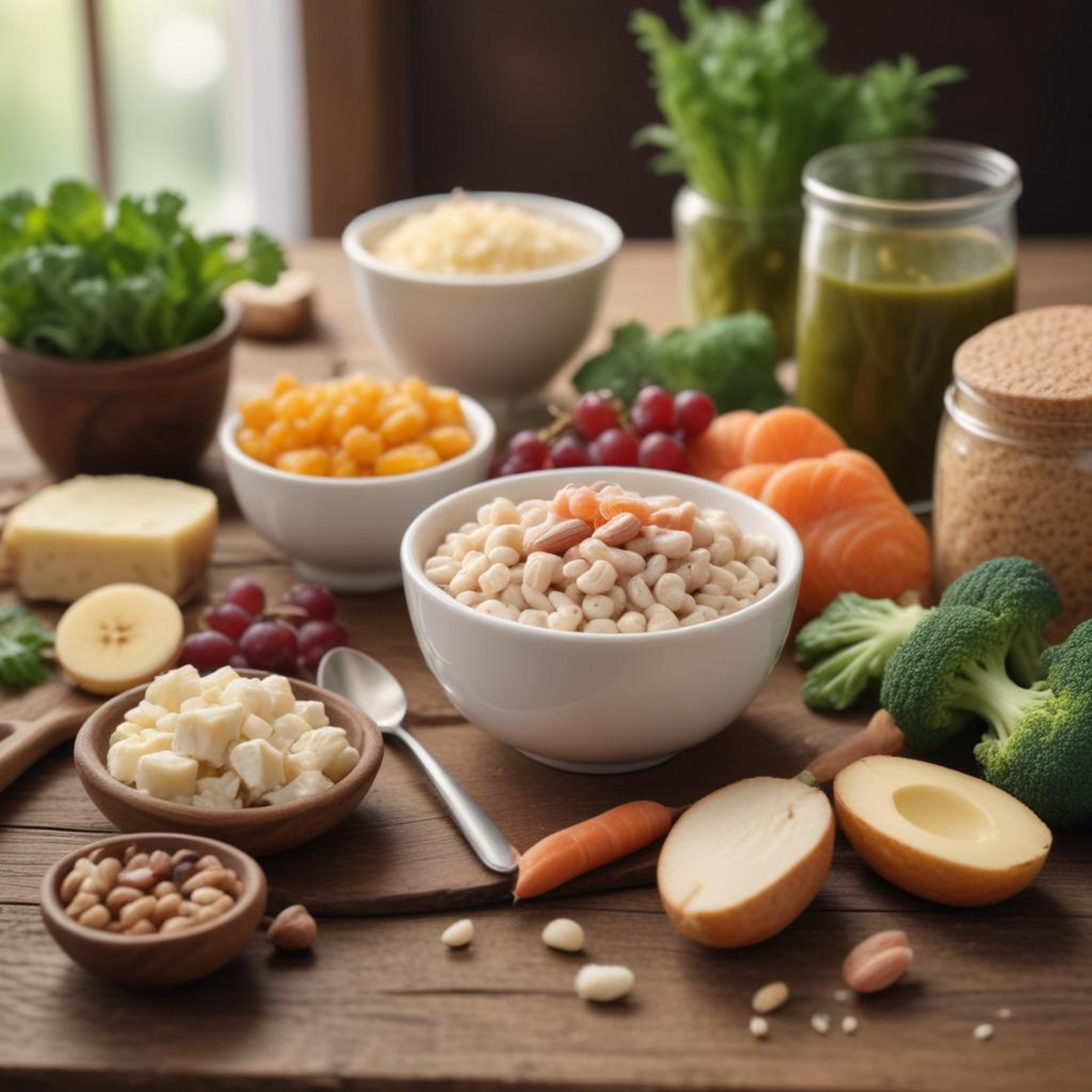
Gut Microbiome Balance Strategies for Longevity are gaining attention as research continues to link digestive health with overall well-being and aging. A healthy gut isn’t just about avoiding discomfort. It plays a key role in immunity, mood regulation, metabolism, and even how we age over time. Understanding how to support this complex community of microbes is one of the most practical ways to help promote a longer, healthier life.
How Gut Microbiome Balance Affects Lifespan and Aging
The gut microbiome refers to the trillions of bacteria, viruses, and fungi that live in your digestive tract. While some are harmful, most are beneficial and help regulate processes like digestion, nutrient absorption, inflammation, and brain function. Over time, poor dietary choices, stress, antibiotics, and environmental toxins can lead to microbial imbalance, a condition known as dysbiosis. This imbalance has been associated with chronic inflammation, metabolic disorders, and immune decline, all of which can accelerate aging.
Emerging studies also suggest that the composition of gut bacteria changes as we age, often becoming less diverse. Less bacterial diversity has been linked to greater frailty and cognitive decline in older adults. Maintaining or restoring balance in your gut microbiome may therefore support healthy aging and potentially increase lifespan in a natural way.
Daily Gut Microbiome Balance Strategies for Longevity
There are several safe, evidence-informed approaches you can incorporate into your routine to promote a healthier gut. These strategies focus on nourishing beneficial bacteria while minimizing harmful microbial overgrowth.
- Eat a fiber-rich, plant-focused diet: Dietary fiber from vegetables, whole grains, legumes, and fruits feeds beneficial bacteria. Soluble fibers, such as those found in oats and flaxseeds, encourage the growth of short-chain fatty acid (SCFA) producing microbes, which help reduce inflammation and support the gut lining.
- Include fermented foods regularly: Yogurt, kefir, kimchi, sauerkraut, and miso naturally deliver probiotics, which are live bacteria that help diversify and strengthen gut flora. Even small amounts consumed consistently may make a difference over time. For those seeking natural support routines, Personalized Functional Herbal Detox Rituals for Daily Wellness may also complement gut health strategies effectively.
- Limit ultra-processed foods and added sugars: A diet high in processed snacks and refined grains can foster microbial imbalance. These foods often lack fiber and contain additives that may negatively impact gut health.
- Consider targeted probiotic supplements: While food should come first, certain probiotic strains may be beneficial depending on individual health goals. For example, Lactobacillus and Bifidobacterium strains have shown promise for improving digestion and immune response, especially in older adults.
- Stay physically active: Regular movement has been associated with increased bacterial diversity. Moderate exercise, such as walking or bike riding, helps support metabolic function and may positively influence your microbiome.
- Manage stress effectively: Chronic stress disrupts gut-brain communication and can impair microbial balance. Practicing mindfulness, yoga, or deep breathing daily supports both mental and digestive health. You might also explore Integrative Mindfulness for Chronic Stress Relief as a holistic way to manage stress and support gut-brain harmony.
- Get quality sleep each night: There’s growing evidence that sleep and gut health are closely linked. A stable routine that enables 7 to 9 hours of consistent rest helps keep microbial rhythms aligned with your body’s natural cycles.
Understanding the Benefits and Considerations of These Strategies
Making adjustments to support your gut microbiome can offer a range of realistic and meaningful health benefits. These include more regular digestion, reduced bloating, better immune resilience, improved energy levels, and even enhanced mood stability due to the gut-brain connection. Over time, supporting microbial balance may help reduce the risk of age-related conditions such as type 2 diabetes, heart disease, and cognitive decline.
However, results can vary depending on personal health history, current diet, lifestyle habits, and genetics. Not everyone will respond the same way to probiotics or a high-fiber diet. Additionally, those with gut conditions like irritable bowel syndrome (IBS) or small intestinal bacterial overgrowth (SIBO) should consult a healthcare provider before making dramatic shifts in diet or supplement routines. Starting with small, manageable changes is often the best approach to allow your body time to adjust.
Choosing Gut Microbiome Balance Strategies for Longevity That Work for You
There’s no single plan that fits everyone. The key is adopting gut-friendly habits consistently and tuning in to how your individual body responds. Here are some simple ways to personalize your strategy:
- Start a food and symptom journal to observe how meals affect your digestion and overall well-being.
- Gradually increase fiber intake to avoid discomfort or sudden bloating.
- Experiment with different fermented foods to find what you enjoy most and tolerate well.
- Discuss probiotic use with a healthcare professional if you take medications, have health concerns, or are managing a chronic condition.
- Be patient. Improvements in microbiome diversity and function can take weeks to months, even with consistent effort.
Keeping your gut microbiome in balance isn’t just about digestion. It touches every corner of your health, including your resilience as you age. The science continues to evolve, but aligning your daily routine with these natural strategies can be a smart, proactive step toward optimizing your healthspan in a practical and responsible way.
