

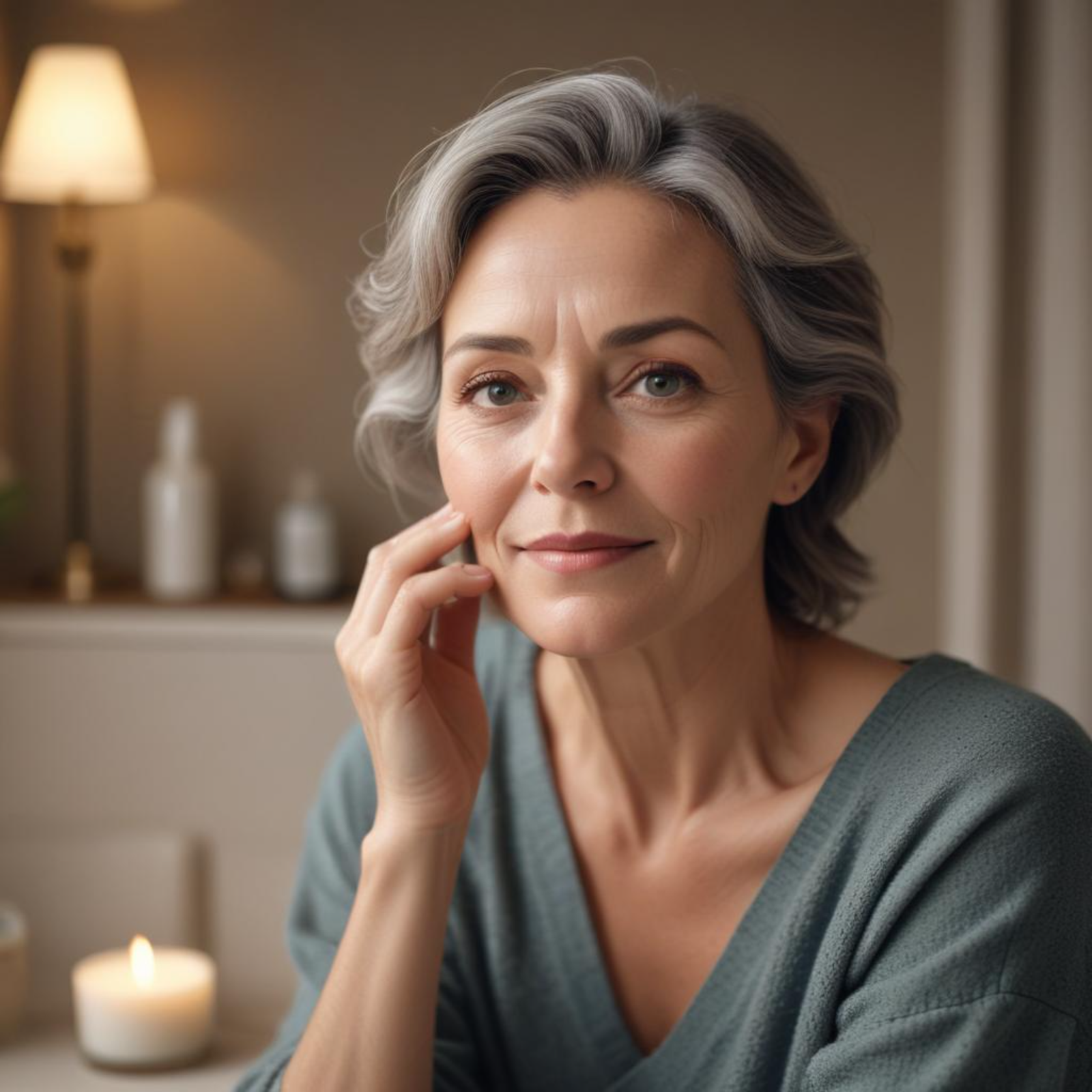
If you’re exploring ways to improve skin health over time, understanding the long-term benefits of retinoid usage for aging skin can be a game changer. Retinoids, derivatives of vitamin A, have earned their reputation for a good reason. They help reduce visible signs of aging in a way that’s supported by decades of dermatological research. While results vary for individuals, regular and correct use offers noticeable improvements that go beyond surface-level beauty.
Long-Term Benefits of Retinoid Usage for Aging Skin
Consistent use of retinoids plays a powerful role in maintaining youthful, resilient skin. These ingredients promote cell turnover, which helps fade fine lines and soften rough texture. Over time, they also stimulate collagen production, an essential function that our bodies naturally slow down with age. This means retinoids not only improve how skin looks today but also support its strength for the future.
In addition to smoothing wrinkles, retinoids tackle other common effects of aging like uneven tone and age spots. They can help fade hyperpigmentation spots caused by sun damage or hormonal changes. Because they renew the top layers of skin, they can also lead to a more radiant and even complexion. But it’s important to remember that these changes don’t happen overnight. With routine application over several months, however, users often report healthier, firmer, and clearer skin.
Why the Long-Term Benefits Matter for Aging Skin
While short-term improvements are encouraging, it’s the long-term gains that make retinoids worth the commitment. Over the years, our skin naturally loses elasticity and becomes thinner. These changes increase the appearance of lines and deepen creases. Retinoids help by thickening the skin gradually and restoring some of what time takes away.
Studies show that after a year of regular use, fine lines typically become less noticeable. Skin texture gets smoother, and pores may even look smaller. These long-term benefits of retinoid usage for aging skin make them one of the most reliable topical treatments available. Complementary reflections on sustainable health strategies, such as Integrative Lifestyle Plans for Long-Term Diabetes Success, also emphasize the importance of consistency over time.
What to Expect When Starting Retinoids
Although retinoids offer real advantages, they may come with an adjustment period. It’s common to experience dryness, redness, or mild peeling during the first few weeks. These effects usually fade as your skin builds tolerance. Choosing a gentle formulation or applying every other night at first can make this transition easier.
For best results, apply retinoids to fully dry skin after cleansing and always follow with a good moisturizer. Since retinoids can increase sun sensitivity, daily sunscreen use is a must. Over time, this protective routine helps support your skin’s ability to repair and renew itself. Holistic routines like these are part of the growing integration of Integrative Mindfulness for Chronic Stress Relief into skincare and wellness habits.
Tips to Maximize the Benefits Safely
- Start with a lower-strength product, especially if you have sensitive skin.
- Use it just a few nights a week at first and slowly increase frequency.
- Always layer with moisturizer to reduce dryness and irritation.
- Apply sunscreen every morning to protect your progress and prevent sun damage.
- Stay consistent. Long-term benefits take time to fully develop.
Who Should Use Retinoids and When
Many dermatologists recommend starting retinoids in your late 20s to early 30s. That’s when the earliest signs of aging often appear. However, it’s never too late to begin. People in their 40s, 50s, and beyond can still see meaningful improvements with consistent use. Those with acne-prone skin may also benefit, as retinoids help unclog pores and reduce breakouts.
However, not everyone is an ideal candidate. If you have conditions like eczema or very dry, sensitive skin, consult a dermatologist first. Pregnant or breastfeeding individuals should also avoid retinoids, as some forms can be absorbed into the bloodstream.
Summing Up the Long-Term Impact
When it comes to healthy aging, the long-term benefits of retinoid usage for aging skin are hard to ignore. By supporting collagen, improving texture, and promoting an even skin tone, retinoids offer a clinically-backed way to maintain skin quality as we grow older. While it requires patience and a thoughtful approach, the payoff is lasting and real.
If you’re thinking about starting retinoids, begin slowly and talk to a skincare professional if you’re unsure. Taking care of your skin today can lead to years of noticeable improvement and confidence in your own skin.
