

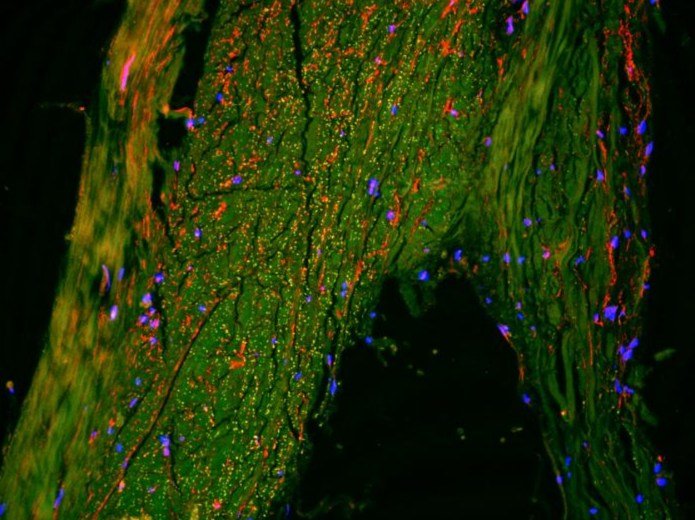
Scientists have discovered a previously unrecognized brain lymphatic drainage pathway, offering new insight into how the brain cleanses itself. This groundbreaking finding could reshape our understanding of neurological diseases, including Alzheimer’s and other forms of dementia.
Rewriting the Brain’s Plumbing Map
Researchers from the Washington University School of Medicine in St. Louis identified a novel fluid clearance pathway in the human brain. This newly found route exists alongside known lymphatic systems and plays a vital role in draining cerebrospinal fluid (CSF) and metabolic waste.
The study, published in Nature, used high-resolution imaging in both mice and humans. Scientists traced the outflow of brain fluid through skull bone channels connected directly to lymph nodes. Previously, experts believed that CSF drained only through traditional exit points around the brain and spine.
A Second Drain for the Brain
This discovery reveals that bone marrow inside the skull isn’t just structural—it participates actively in immune and drainage functions. The team labeled this path as an independent channel that complements known meningeal lymphatics, boosting the brain’s ability to eliminate waste.
Lead author Dr. Jonathan Kipnis emphasized the importance of this second pathway: “Understanding these drainage systems may be the key to developing therapies for neurodegenerative conditions in which waste clearance is impaired.”
Implications for Alzheimer’s, Parkinson’s, and Beyond
The identification of this extra drainage route has far-reaching implications:
- It explains inconsistencies in current models of brain waste clearance.
- It may assist in early diagnosis of neurodegenerative diseases.
- It offers new targets for therapeutic interventions.
Researchers plan to further investigate whether drainage issues in this newly found path contribute to amyloid plaque buildup in Alzheimer’s patients. As neuroscience uncovers these mechanisms, it parallels emerging strategies in adjacent fields, such as the gut health impact of personalized nutrition plans, which also explore how physiological systems clear waste and support immune health holistically.
The Road Ahead
Further studies will explore how age, trauma, or disease may impair this pathway. Scientists are particularly interested in whether this hidden route could become blocked or altered over time and how that affects brain health.
This discovery redefines foundational aspects of brain physiology. As research advances, it could unlock new strategies for preventing and managing neurological disorders by enhancing the brain’s natural detoxification systems.
With the unveiling of this previously unrecognized brain lymphatic drainage pathway, neuroscience may have gained a powerful new direction in its quest to understand and treat degenerative brain diseases.
