

Why are your eyes Suffering ?
In today’s hyper-connected world, screens are unavoidable. From office desktops and smartphones to tablets and TVs, we are constantly absorbing information through digital devices. But this comes at a price digital eye strain, also known as computer vision syndrome, is a growing health concern affecting professionals worldwide. One of the biggest culprits is the Blue light.
WHAT IS BLUE LIGHT? AND WHY DOES IT MATTER?
Blue light is a high-energy visible (HEV) light emitted by screens and artificial lightingBlue light is a high-energy visible (HEV) light emitted by screens and artificial lighting. While natural blue light from the sun regulates our circadian rhythm (sleep-wake cycle), prolonged exposure to artificial blue light—especially at night— can disrupt our sleep, cause eye fatigue, and even cause changes in vision over time.
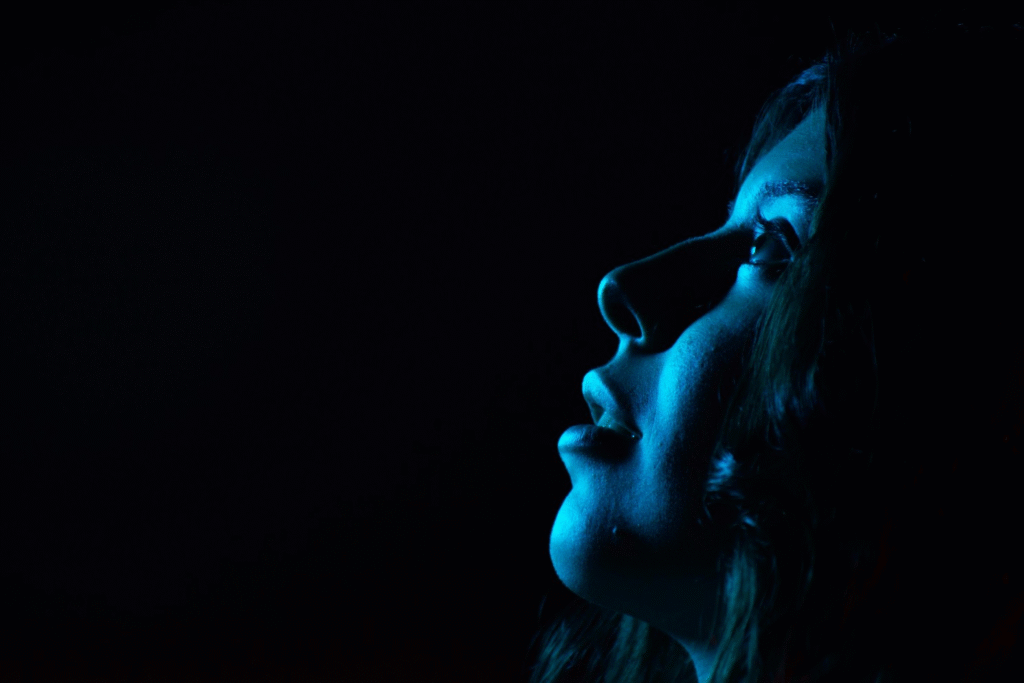
Blue Light emitted from screens harms your health.
HOW BLUE LIGHT AFFECTS YOUR HEALTH ?
Eye Strain & Fatigue: Extended screen time forces our eyes to work harder, leading to dryness, irritation, and blurred vision. light exposure can trigger migraines and tension headaches, especially in individuals prone to light sensitivity.
Disrupted Sleep Patterns: Screens before bedtime suppress melatonin production, making it harder to fall asleep and affecting overall sleep quality.
Potential Long-Term Damage: Studies suggest that too much blue light can strain your eyes and may slowly harm your vision over time, especially as you get older.
WHY WORKING PROFESSIONALS ARE AT HIGHER RISK ?
If you spend hours in front of a screen for work, you’re especially vulnerable to blue light exposure and its consequences. Reports indicate that an average office worker spends 6-9 hours a day staring at a screen. Combined with poor ergonomics, artificial lighting, and minimal breaks, this creates a perfect storm for digital eye strain.
Some common warning signs include:
- Frequent dry or irritated eyes
- Increased sensitivity to light
- Difficulty focusing, especially in the evening
- Continuous focus at a close distance can weaken the eye’s ability to shift focus to far objects, causing temporary or long-term blurred distance vision.
- Trouble falling or staying asleep
