

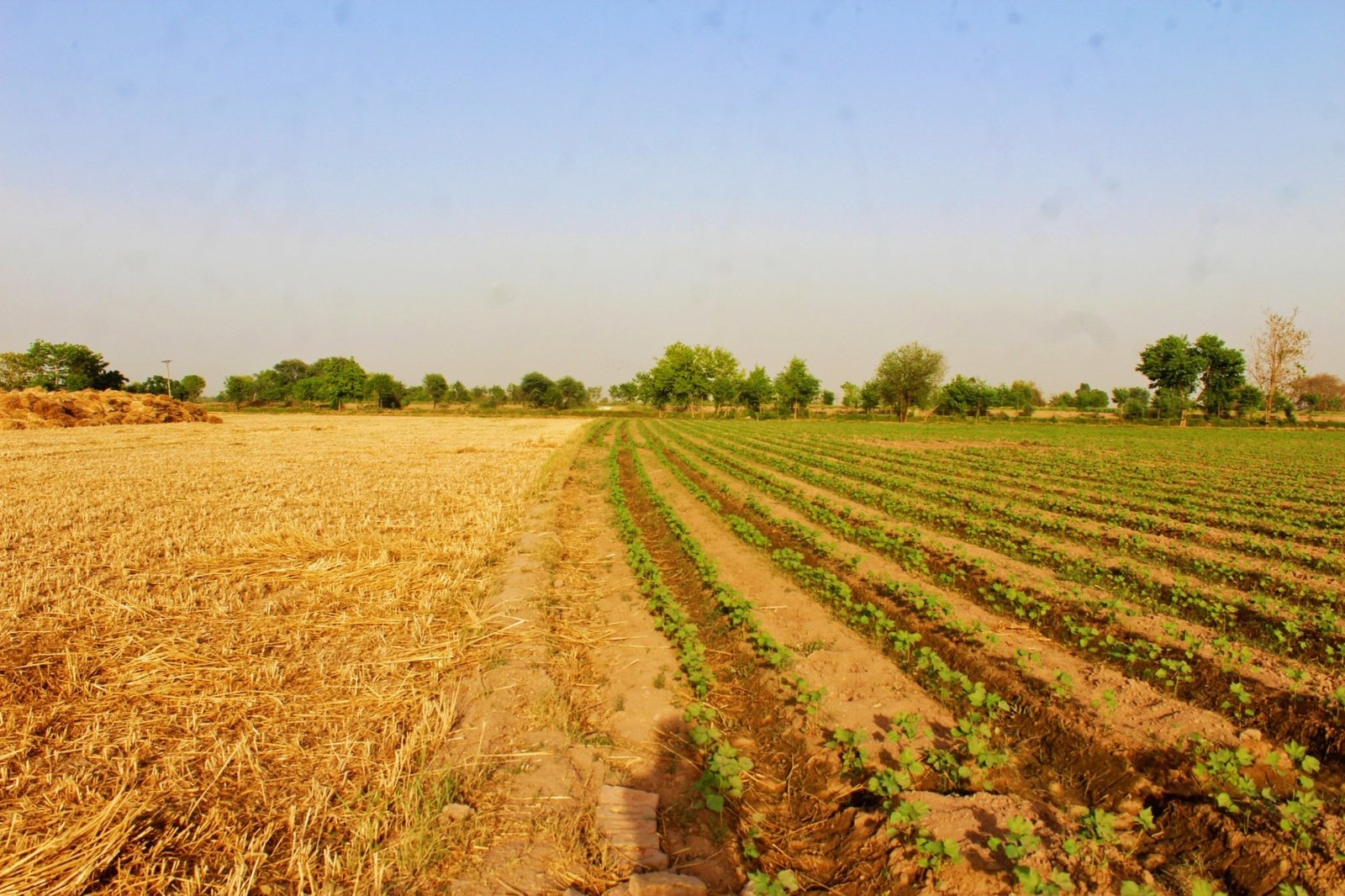
Climate-resilient crops, when expertly integrated with biofortification, can significantly enhance human nutrition and bolster global health. As our planet faces increasing climate challenges, these crops play a crucial role in ensuring stable food production. By incorporating nutrient-enhancing traits, these crops do more than just secure yields; they safeguard the vital micronutrients essential to human health.
Climate Resilient Nutrition Crops: A Pathway to Better Health
The development of climate-resilient crops is a promising advancement in agricultural science, driven by the need to maintain food security in the face of environmental stressors. These crops are engineered to withstand harsh climatic conditions, thus ensuring a dependable food supply. However, their potential extends beyond mere survival and yield.
Enhancing Food Security with Biofortified Traits
Biofortification, the process of increasing the nutritional value of crops, works synergistically with climate resilience to address both food quantity and quality. By deliberately selecting or engineering crops with high levels of essential vitamins and minerals, researchers can combat malnutrition, which remains a pressing global issue. Consequently, this approach supports human health by providing populations with access to nutrient-rich foods regardless of climate adversities.
The Impact on Global Nutrition
Implementing climate-resilient crops with biofortified traits has several profound impacts. Firstly, it improves food security by stabilizing yields under unpredictable weather conditions. Secondly, it enriches diets by ensuring a steady intake of vital micronutrients, thus reducing the incidence of deficiencies. Finally, it empowers communities by enhancing food availability and economic opportunities, as resilient crop yields can create surplus supplies even in challenging climates.
However, to fully realize the potential health benefits, these crops must be carefully developed to include specific nutrient enhancements. As a result, scientists and policymakers must collaborate to ensure these innovations reach regions most in need.
Navigating Challenges in Implementation
Despite their benefits, integrating climate-resilient nutrition crops into global agriculture systems presents challenges. Farmers require education and resources to adopt these varieties, while infrastructure must support their distribution. Moreover, understanding local agricultural practices and dietary needs is crucial to ensure these crops effectively contribute to nutritional goals.
In addition, research must continue to advance the precision and efficiency of biofortification and resilience technologies. As such, a multi-disciplinary approach involving agronomists, nutritionists, and policymakers is essential for success.
Ultimately, climate-resilient nutrition crops offer a promising solution to the dual challenges of food security and nutrition in an era of climate change. By prioritizing these innovations, we can create a more resilient and healthier future for global populations.
Key Takeaways
- Climate-resilient crops, when biofortified, enhance both food security and human nutrition.
- Integrating these crops into agriculture combats malnutrition and supports stable yields.
- Successful implementation requires multidisciplinary collaboration and local adaptability.
Medical Disclaimer
This content is intended for informational purposes only and should not be considered medical advice.
