

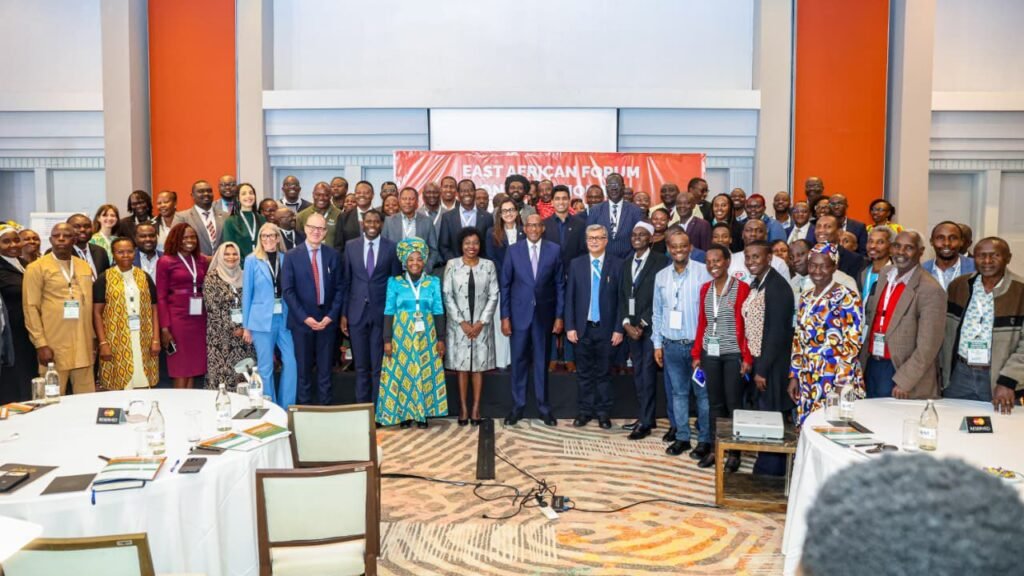
Kenya recently took a significant step towards integrating traditional medicine into its national health systems by hosting a regional TCIM (Traditional and Complementary Integrative Medicine) forum. This event aimed to foster the incorporation of traditional practices into formal health care, enhance research efforts, and contribute to universal health coverage (UHC) in East Africa. Such integration holds the potential to broaden health care options and improve accessibility across the region.
Traditional Medicine Integration in Kenya’s Health System
The forum brought together health experts and scholars who discussed the important role traditional medicine can play alongside modern health practices. This integration seeks to create a seamless healthcare framework that acknowledges and utilizes indigenous knowledge and practices. Consequently, the health system can offer more holistic care options, catering to diverse patient needs and cultural contexts.
Importance of Integration
Integrating traditional medicine with conventional health systems offers numerous advantages. Primarily, it respects cultural contexts, making health services more acceptable and accessible. For example, patients in rural or remote areas can benefit from traditional practitioners who are often their first point of contact for health needs. Moreover, combining both systems can enhance the treatment of chronic and lifestyle-related diseases, thus advancing Kenya’s pursuit of UHC.
Advancements in Research
The forum emphasized the necessity of research to support this integration. By investing in studies that scientifically validate the efficacy and safety of traditional treatments, policymakers and health professionals can ensure that the integration process remains evidence-based. Additionally, research can pave the way for the development of standardized practices and guidelines, making traditional medicine a reliable healthcare component.
Challenges and Responses
Despite its potential benefits, integrating traditional medicine faces challenges such as regulatory hurdles, lack of standardization, and skepticism from conventional medical professionals. However, collaborative efforts between governments, health organizations, and educational institutions can mitigate these issues. The forum encouraged stakeholder engagement to design policies that safeguard both patient safety and the rich cultural heritage represented by traditional practices. For instance, the UAE medicine monopoly reform boosts healthcare access by fostering competition and enhancing service delivery.
Kenya’s initiative in hosting the TCIM forum marks an important milestone towards more inclusive and culturally sensitive healthcare systems. As the country progresses with this integration, East Africa may see improved health outcomes and greater patient satisfaction.
Key Takeaways
- The integration of traditional medicine respects cultural healthcare preferences and can improve access in remote areas.
- Research is crucial to validate and standardize traditional practices, ensuring safe and effective integration.
- Collaboration among stakeholders is essential to overcome regulatory and standardization challenges.
Medical Disclaimer
This article provides information for educational purposes and should not be considered medical advice.
