

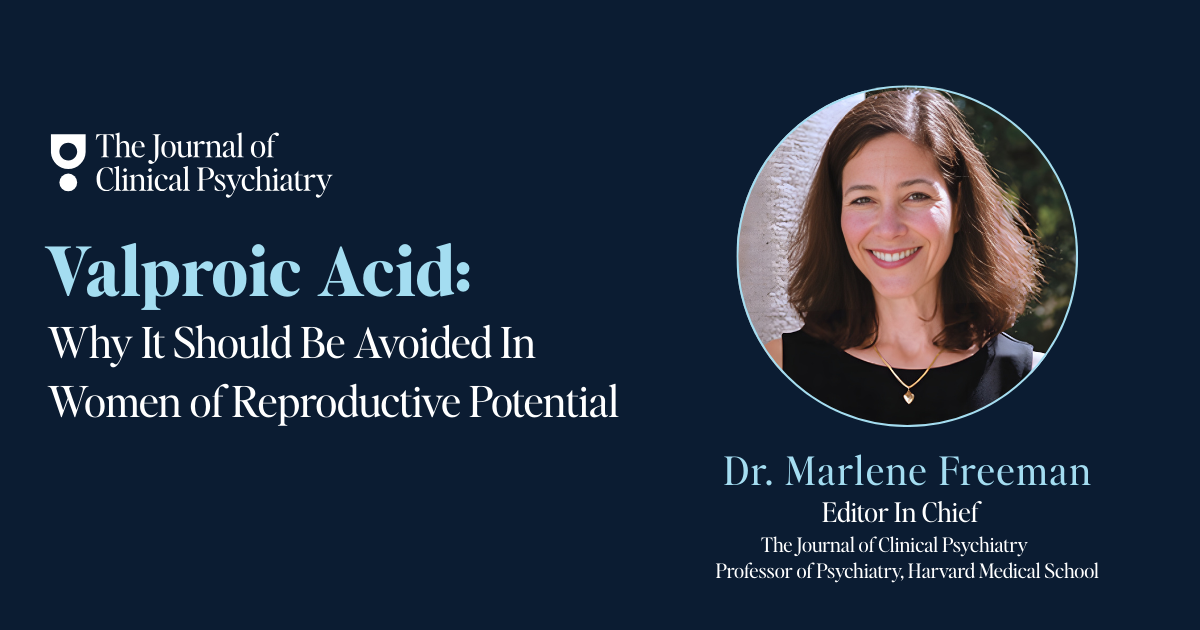
Valproic acid risks women of reproductive potential significantly, according to Marlene Freeman, MD. Her insights underscore the importance of caution in prescribing this drug due to its high-risk profile. Although valproic acid proves useful in treating epilepsy and mood disorders, evidence suggests it poses substantial risks, notably teratogenic effects. This understanding is crucial for both clinicians and patients to ensure informed decision-making.
Understanding Valproic Acid Risks for Women
When considering medications for women of reproductive potential, the risks associated with valproic acid require careful evaluation. The drug’s teratogenic potential makes it a high-risk option for expecting mothers, as substantial evidence connects it to developmental disorders in children. Therefore, clinicians must weigh these risks against therapeutic benefits, particularly when alternative medications are viable.
Clinical Evidence of Valproic Acid Risks
Research highlights valproic acid’s teratogenic effects, leading to birth defects and developmental issues. Notably, studies document risks such as neural tube defects and cognitive impacts on exposed infants. Therefore, experts recommend caution when prescribing it to women who might conceive. Clinicians can mitigate these risks by considering alternative therapies with a safer profile for reproductive-aged women.
Furthermore, existing medical guidelines advise avoiding valproic acid in pregnant women unless no other viable treatment option exists. These directives align with growing research emphasizing the drug’s potential dangers. Therefore, healthcare providers must stay informed about these findings and update their prescribing practices accordingly.
Implications for Prescribing Practices
Valproic acid’s risks necessitate a reevaluation of current prescribing habits. Healthcare professionals must ensure that women of reproductive potential fully understand the potential dangers before starting treatment. Consequently, informed consent becomes a critical component of patient care in these cases. Additionally, clinicians should regularly review each patient’s treatment plan, especially if pregnancy becomes a consideration.
In response to the evidence, many practitioners are now exploring alternative treatment pathways. This proactive approach minimizes the reliance on valproic acid, addressing its high-risk profile while maintaining effective care for mood disorders and epilepsy. Through careful medication management, clinicians can enhance patient safety without compromising treatment outcomes.
Ultimately, prioritizing communication about the risks allows women to make informed choices regarding their treatment plans. Additionally, it fosters a collaborative environment where patients and healthcare providers work together to balance effectiveness and safety.
Key Takeaways
- Valproic acid poses significant teratogenic risks for women of reproductive potential, requiring cautious prescribing practices.
- Evidence underscores the drug’s association with developmental disorders, necessitating informed patient consent and consideration of safer alternatives.
- Consistent reevaluation of treatment options can minimize exposure risks while maintaining effective disorder management.
Medical Disclaimer
This content is intended for informational purposes only and should not replace professional medical guidance.
