

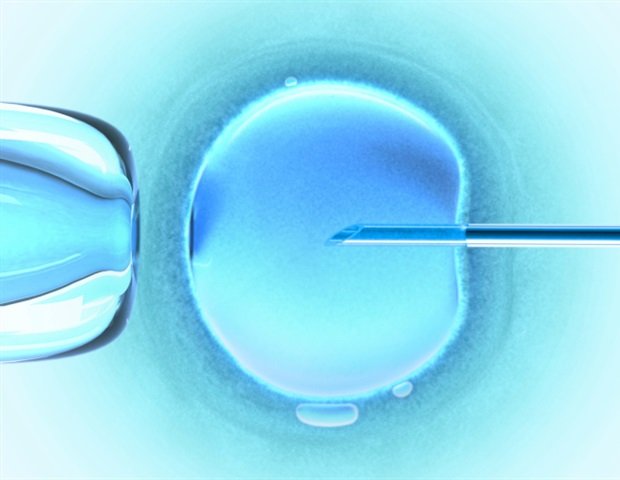
Recent studies have uncovered a significant link between historical redlining and modern reproductive health disparities, spotlighting a critical issue affecting many communities today. This discovery emphasizes the far-reaching impact of past discriminatory practices, which have continued to exacerbate health issues among Black residents and other communities of color. Understanding this connection helps in addressing long-standing health inequities and calls for targeted policy interventions.
Redlining Reproductive Health Impact: A Historical Context
Redlining, a discriminatory mortgage lending practice from the 20th century, systematically denied financial services to neighborhoods predominantly inhabited by Black and minority residents. As a result, these communities faced chronic disinvestment, leading to adverse living conditions that still haunt them. This historical injustice has left a complex legacy, contributing to ongoing disparities in reproductive health.
How Redlining Affects Reproductive Health Today
Researchers have identified several pathways through which redlining has influenced reproductive health outcomes. For example, areas affected by redlining often lack access to quality healthcare services, resulting in limited prenatal and maternal care. Additionally, the exposure to pollutants in economically disadvantaged neighborhoods can detrimentally affect women’s reproductive systems. Consequently, these environmental and service-related deficiencies may increase the risk of infertility and other health complications in affected communities.
Real-Life Implications and Health Disparities
The impacts of redlining resonate deeply within the affected populations. Black and minority women experience significantly higher rates of reproductive health issues, reinforcing the historical patterns of inequality. This situation demands urgent attention from policymakers and healthcare providers to bridge these health gaps. Addressing these disparities is not only a matter of health equity but also a moral imperative to rectify the injustices of the past.
Strategies to Mitigate Impact of Redlining on Reproductive Health
Efforts to mitigate the impact of redlining on reproductive health require a multifaceted approach. Firstly, expanding access to healthcare services in historically underserved areas can play a pivotal role in improving outcomes. Furthermore, implementing community-based programs that address environmental toxins and promote healthy living standards is essential. Lastly, fostering partnerships between government bodies and local organizations can ensure that solutions are culturally appropriate and community-driven.
Ultimately, understanding the link between historical redlining and current reproductive health disparities emphasizes the urgent need for policy reforms. These reforms ought to focus on enhancing healthcare access, improving living conditions, and empowering affected communities to achieve health equity.
Key Takeaways
- Redlining has contributed significantly to modern reproductive health disparities.
- Communities affected by redlining often lack access to quality healthcare services.
- Addressing these disparities requires a comprehensive, community-focused approach.
Medical Disclaimer
This article provides information for educational purposes and should not be considered medical advice.
