

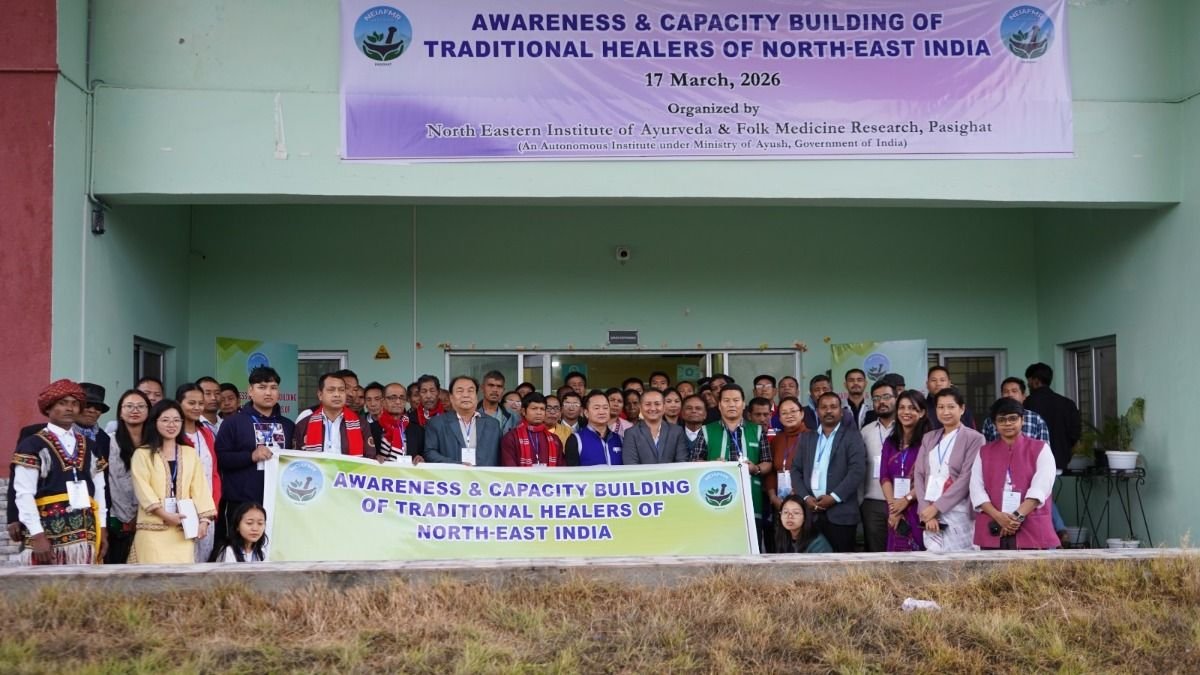
The North Eastern Institute of Ayurveda & Folk Medicine Research (NEIFM) recently held an impactful program in Pasighat focused on elevating public awareness about Ayurveda and folk medicine. This initiative aimed to educate local communities about traditional health practices and underscore their profound benefits. Regional health practices, particularly Ayurveda and indigenous folk medicine, have long been integral to the culture and health management in this region. Therefore, this event held significant importance in preserving and promoting these traditional methods.
Ayurveda Folk Medicine Pasighat: A Cultural Revival
Ayurveda and folk medicine have been revered in India for millennia, particularly for their natural approach to health and wellness. In Pasighat, these practices form a vital part of the community’s heritage. The NEIFM’s program was not merely an educational endeavor but a cultural revival that bridged modern health awareness with ancient wisdom. By focusing on these traditions, the program effectively highlighted the role that Ayurveda and folk remedies continue to play in contemporary health solutions.
Community Engagement and Education
The program’s success lay in its strategic community engagement and comprehensive educational sessions. Organizers structured these sessions to clarify misconceptions and provide insightful information on the efficacy and application of Ayurvedic practices. As a result, attendees not only learned about various herbs and treatments but also discovered how these could integrate with modern health practices for enhanced well-being. The inclusive nature of the event invited both practitioners and novices alike, promoting a wide-reaching impact.
Ayurveda Folk Medicine Pasighat: Sustainable Health Solutions
One of the program’s pivotal goals was to demonstrate how Ayurveda and folk medicine offer sustainable health solutions. While modern medicine excels in treating acute health issues, Ayurveda presents holistic approaches that are often suited for chronic conditions and preventative care. The program highlighted the adaptability and relevance of these ancient practices, underlining their potential in reducing healthcare costs and promoting wellness at the community level. Consequently, such initiatives not only preserve cultural knowledge but also provide viable alternatives to conventional medicine. This approach is similar to how lightweight rechargeable medical penlights enhance diagnostic capabilities in modern healthcare.
To conclude, the NEIFM’s awareness program at Pasighat was vital in reinforcing the importance of traditional health methods. By marrying these age-old practices with current health frameworks, communities can experience a holistic approach to well-being, where tradition and modernity coexist harmoniously, much like the balance seen in the record-breaking Ayurveda lesson that promotes women’s wellness.
