

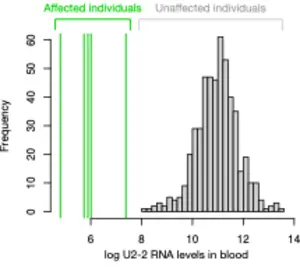
Researchers at the Icahn School of Medicine at Mount Sinai have successfully identified a new recessive neurodevelopmental disorder, with significant implications for affected families across the globe. Named the RNU2-2 disorder, this condition stems from mutations in the RNU2-2 gene, making it remarkably prevalent and responsible for an estimated 10 percent of all recessive neurodevelopmental disorders with recognized genetic origins in the United States alone. The collaboration with researchers from the Undiagnosed Diseases Network and international teams across the UK, the Netherlands, Belgium, and Italy speaks volumes about the global effort behind this breakthrough. As a result, many families may finally find long-sought answers that could influence the trajectory of future drug development.
Unveiling the Recessive Neurodevelopmental Disorder RNU2-2
At the heart of this discovery lies the small noncoding gene RNU2-2. Until now, its role in neurodevelopmental disorders was largely unknown. Researchers methodically unraveled this mystery, showcasing the pivotal part genomic research plays in understanding complex diseases. As a result, RNU2-2 emerged as a crucial piece in the puzzle of genetic disorders, offering insights into symptoms and potential therapies that were once out of reach.
Collaborative Research Efforts Pay Off
The identification of the recessive neurodevelopmental disorder RNU2-2 was the fruit of extensive collaboration. Under the leadership of the Icahn School of Medicine, with pivotal contributions from Stanford University and other esteemed institutions, the synergy amplified the potential of isolated knowledge pools. Consequently, shared expertise and resources accelerated the journey from hypothesis to revelation. This teamwork exemplifies how modern science thrives on cross-border collaborations, thus uplifting medical research and patient hope alike.
Impact on Families and Future Implications
For countless families, the confirmation of RNU2-2 as a disorder offers a much-needed understanding of their long-standing health challenges. This revelation provides clarity and direction, not only in terms of recognition but also in setting a concrete foundation for supportive measures. In terms of future advancements, these findings set the stage for the development of targeted treatments and interventions. Therefore, it serves as a beacon of hope for breakthroughs that were previously unattainable. More insights into neurodevelopmental disorders can deepen our understanding of advancements in the most common recessive neurodevelopmental disorder.
Searching for Solutions: The Role of RNU2-2
As research continues, the spotlight on recessive neurodevelopmental disorder RNU2-2 will likely unveil new aspects of its genetic pathways. Understanding these intricacies could lead to innovative drug targets and therapeutic strategies. Meanwhile, continued support for genetic research ensures the health sector remains equipped to tackle these intricate challenges head-on. Ultimately, with patient outcomes in mind, the emphasis on RNU2-2 underscores the potential for improved quality of life for many affected individuals. This parallels the efforts seen in related fields, such as chiropractic research collaborations that enhance health insights.
In conclusion, the identification of the RNU2-2 neurodevelopmental disorder is more than a scientific breakthrough; it represents a milestone in the ongoing quest for understanding and combating genetic disorders. As research progresses, it holds the potential to redefine expectations and outcomes for thousands of families and patients worldwide.
Key Takeaways
- The RNU2-2 neurodevelopmental disorder is now recognized as a prevalent genetic condition.
- International and interdisciplinary collaborations were essential in this groundbreaking discovery.
- Future therapeutic developments are anticipated, offering hope to affected individuals.
Medical Disclaimer
The information provided in this article is for informational purposes only.
