

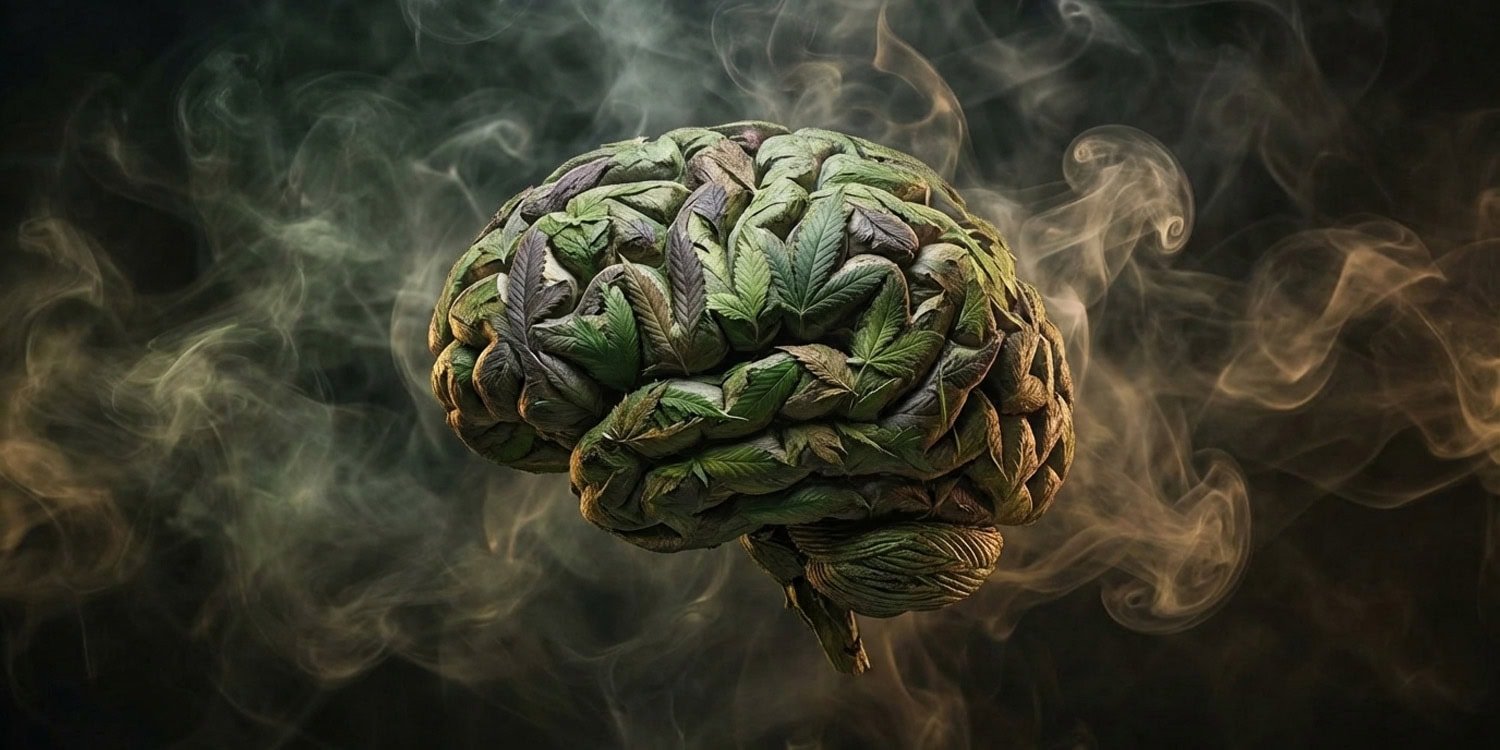
In recent years, many have considered cannabis a potential treatment for psychiatric disorders, yet a comprehensive review highlights cannabis psychiatric treatment limitations, raising significant questions about its efficacy. Researchers meticulously analyzed data from 54 clinical trials to ascertain cannabis’s viability in treating mental health and addiction issues. They encountered minimal proof of significant benefits, alongside a higher risk of mild side effects such as dizziness and nausea. This review sheds light on the complexities involved in using cannabis therapeutically for psychiatric conditions, underscoring the need for cautious optimism in its application.
Cannabis Psychiatric Treatment Limitations Uncovered
The exploration into cannabis as a psychiatric therapeutic option unearths intriguing insights. In examining numerous trials, researchers primarily aimed to determine if cannabis could provide relief for conditions like anxiety, depression, and substance use disorders. However, the findings reveal significant limitations. For example, while cannabis might offer short-term relief in anxiety, its long-term effects remain questionable and largely unsupported by rigorous scientific evidence.
Evaluating the Effects on Anxiety and Depression
Anxiety and depression represent two of the most prevalent psychiatric disorders where alternative treatments like cannabis have been considered. Researchers found that despite anecdotal claims of cannabis soothing anxious states, clinical evidence indicates otherwise. The risk of exacerbating symptoms, particularly with prolonged use, cannot be ignored. In treating depression, cannabis showed even less promise, as studies suggest potential links between excessive use and heightened depressive symptoms, therefore complicating its therapeutic potential.
Implications for Substance Use Disorders
When considering substance use disorders, researchers hoped cannabis might offer a less addictive alternative or aid in managing withdrawal symptoms. However, the data shows limited success, cautioning against over-reliance on cannabis for these purposes. Instead of mitigating addiction, improper use could compound issues, leading potentially to new dependencies or spiraling existing ones out of control. Assessments of these trials indicate a critical need for tightly controlled, well-structured interventions before endorsing cannabis as a viable treatment option.
Side Effects: A Significant Consideration
Part of the cannabis psychiatric treatment limitations lies in its side effect profile. The analyzed trials repeatedly mention mild yet consistent side effects, including dizziness and nausea. While these might be tolerable for some, they present a notable concern for patients already battling the physical toll of psychiatric disorders. The balance between potential therapeutic benefits and these drawbacks remains tenuous, urging caution and rigorous evaluation in medical settings.
In conclusion, while the allure of cannabis as a treatment for psychiatric conditions continues to captivate, this comprehensive review highlights critical shortcomings in current evidence. As researchers further investigate, understanding the nuanced relationship between cannabis use and psychiatric outcomes becomes even more crucial.
Key Takeaways
- Research highlighted cannabis’s limited efficacy in treating psychiatric disorders, noting significant treatment gaps.
- Cannabis may worsen long-term anxiety or depression, contrary to some anecdotal claims.
- Side effects like dizziness and nausea warrant cautious consideration in therapeutic settings.
Medical Disclaimer
This content is informational and should not serve as a substitute for professional medical advice or treatment.
