

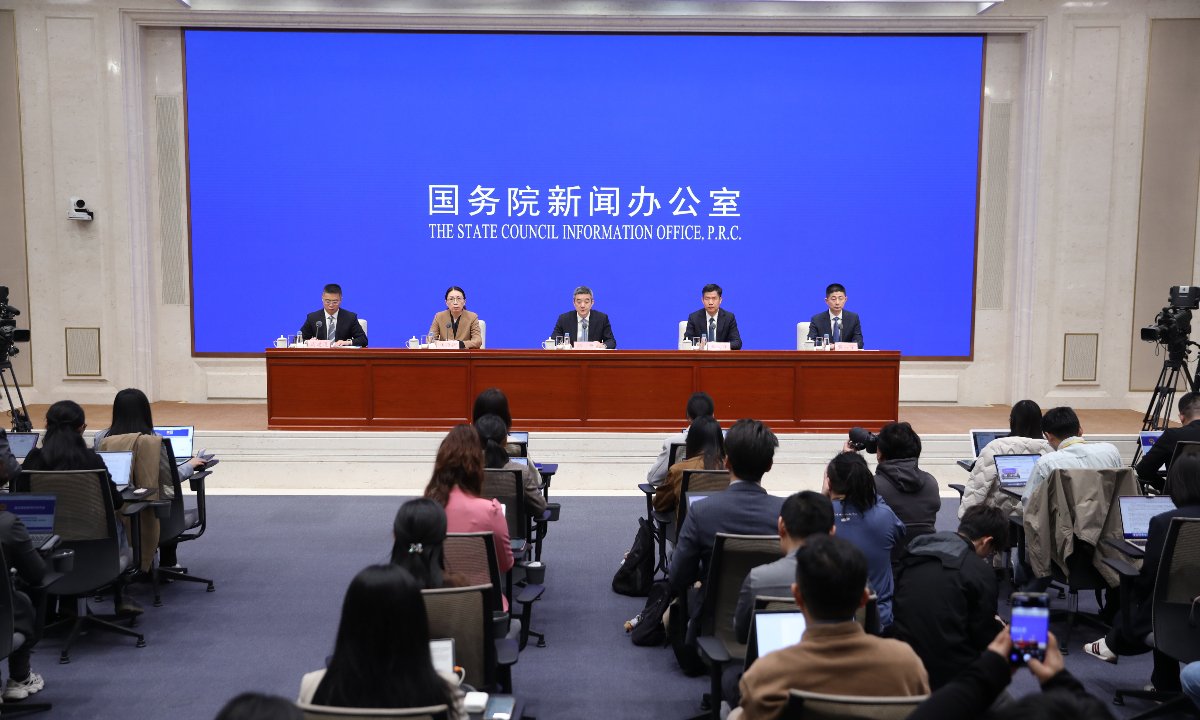
China is poised to revolutionize its healthcare accessibility by 2030, committing to a tiered healthcare system that guarantees medical services within 15 minutes for more than 90 percent of its residents. This ambitious initiative, announced by the nation’s healthcare authority at a recent policy briefing, aims to streamline the diagnosis and treatment processes, greatly enhancing public convenience.
By establishing a coordinated mechanism for tiered diagnosis and treatment, China intends to make healthcare more accessible for its vast population. As the country transitions to this new system, officials emphasize the significance of reducing the time and effort required for individuals to receive medical attention. Consequently, the healthcare overhaul reflects a significant step towards improving national health outcomes and addressing the growing demand for efficient healthcare delivery.
Tiered Healthcare Access China: Ensuring Proximity and Efficiency
The plan to provide tiered healthcare access in China is part of a broader strategy to restructure the nation’s medical system. By 2030, the government aims to integrate healthcare facilities at varying levels into a coordinated network. This includes enhancing community-level services, which are crucial for primary diagnosis and treatment, to ensure patients receive timely care. In doing so, authorities hope to alleviate the pressure on larger hospitals and improve the overall efficiency of the healthcare system.
Implementing Comprehensive Infrastructure Development
A critical element of this plan involves developing infrastructure that supports the new tiered healthcare model. The government has pledged to build and upgrade medical facilities across urban and rural areas, facilitating easier access to healthcare services. More importantly, the focus on proximity and quality ensures that even those in remote regions benefit substantially from these improvements.
Implications for Urban and Rural Populations
For urban dwellers, the program promises a more streamlined experience by relieving the burden on major hospitals and shortening wait times, which have been a longstanding issue. Meanwhile, rural populations stand to gain immensely, as the strategy aims to bridge the gap in healthcare availability between metropolitan areas and smaller communities. Thus, the tiered healthcare system not only enhances medical service delivery but also endeavors to reduce regional disparities in healthcare access.
As China pushes forward with these reforms, healthcare authorities stress the importance of continued investment in medical technology and workforce training. By empowering healthcare professionals and integrating advanced diagnostic tools, the nation seeks to cultivate a robust healthcare sector equipped to handle the complexities of modern medical needs.
The implications of these changes extend far beyond immediate healthcare outcomes. They represent a commitment to improving public health infrastructure that will sustain China’s burgeoning population and economic growth. Additionally, as this initiative progresses, global healthcare systems may look to China’s model as an example of balancing accessibility, efficiency, and quality in healthcare delivery.
Key Takeaways
- China plans to provide tiered healthcare access with 15-minute medical service by 2030.
- The initiative aims to enhance healthcare efficiency and reduce wait times across the country.
- This model focuses on proximity and quality, benefiting both urban and rural communities.
Medical Disclaimer
This content is for informational purposes only and does not replace professional medical advice.
