

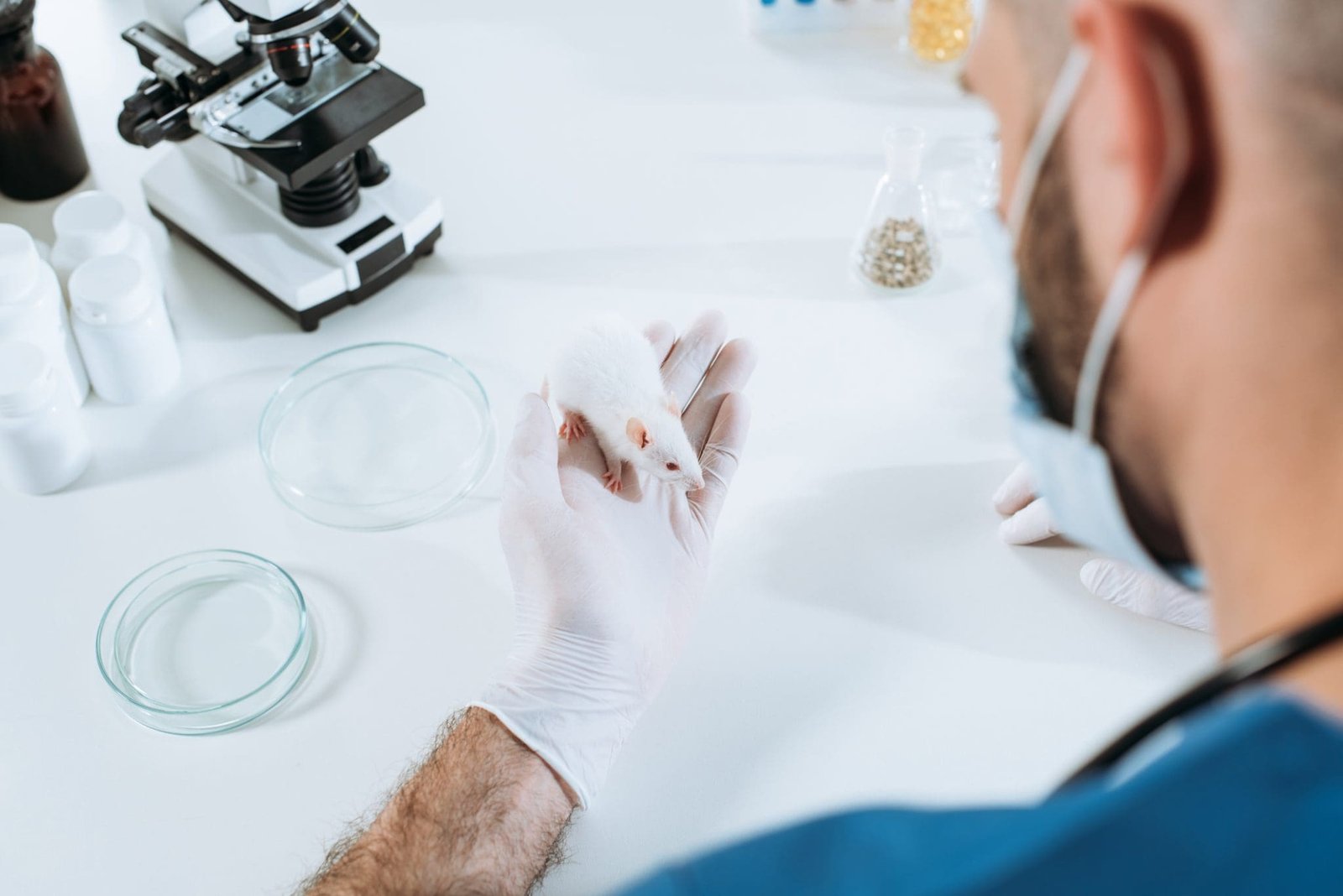
The United Kingdom is taking significant strides in phasing out animal testing, thanks to the proactive initiatives of the Medicines and Healthcare products Regulatory Agency (MHRA). This move not only aims to enhance the ethical standards of research but also underscores the UK’s commitment to adopting innovative alternatives for drug safety. In a world where scientific advancements dictate progress, the MHRA’s efforts could redefine how pharmaceuticals are tested, benefiting both human and non-human species.
Phasing Out Animal Testing in the UK: A Strategic Vision
Animal testing in the UK has long been a subject of ethical concern and scientific debate. However, the MHRA’s recent initiatives mark a pivotal point in this ongoing discourse. The agency plans to integrate advanced testing methods that promise to deliver more accurate and humane outcomes. Additionally, this strategy aligns with global trends where countries are recognizing the limitations of animal-based testing. Consequently, the UK is poised to become a leader in ethical pharmaceutical research.
MHRA’s Commitment to Scientific Innovation
The MHRA is not merely aiming to end animal testing but is committed to embracing groundbreaking technologies. Techniques such as organ-on-a-chip, AI-driven data analysis, and 3D cell cultures are being explored to ensure human safety without relying on animal subjects. These technologies provide a more precise understanding of drug interactions in human systems, thus increasing the reliability of research data. For example, organ-on-a-chip can mimic human organ responses, providing insights that traditional methods might miss. Therefore, such innovations hold the potential to transform drug testing paradigms.
Impact on Drug Safety and Development
Phasing out animal testing promises several benefits for drug development processes. Firstly, results from non-animal testing methods are often more applicable to human physiology, reducing the risk of adverse reactions seen in post-market testing. Secondly, these methods usually require less time and fewer resources, accelerating the approval process for new drugs. As a result, patients could gain quicker access to life-saving medications. This efficiency is pivotal as it addresses both ethical concerns and practical needs in drug development.
Challenges and Future Directions
Despite the promising outlook, transitioning away from animal testing comes with its challenges. Stakeholders need to ensure that new methodologies are validated and accepted by global regulatory bodies. Furthermore, there is a need for continued investment in research and development to overcome potential technological limitations. However, as the MHRA continues to spearhead these changes, it sets a precedent for other nations. The UK’s journey could serve as a blueprint for ethical and scientifically robust approaches in pharmaceutical research.
In conclusion, the phased elimination of animal testing in the UK, championed by the MHRA, signals a transformative era in pharmaceutical research ethics and practice. The agency’s commitment to innovation not only addresses ethical concerns but also enhances the reliability and speed of drug development. As the world watches, the UK’s approach may indeed redefine the global standards for drug testing.
Key Takeaways
- The UK is leading the charge towards ethical drug testing by phasing out animal testing with MHRA’s directives.
- Innovative technologies like organ-on-a-chip and AI offer superior alternatives for drug safety evaluations.
- While challenges exist, the shift promises quicker, safer drug development and global influence.
Medical Disclaimer
This article is provided for informational purposes only and does not constitute medical advice.
