

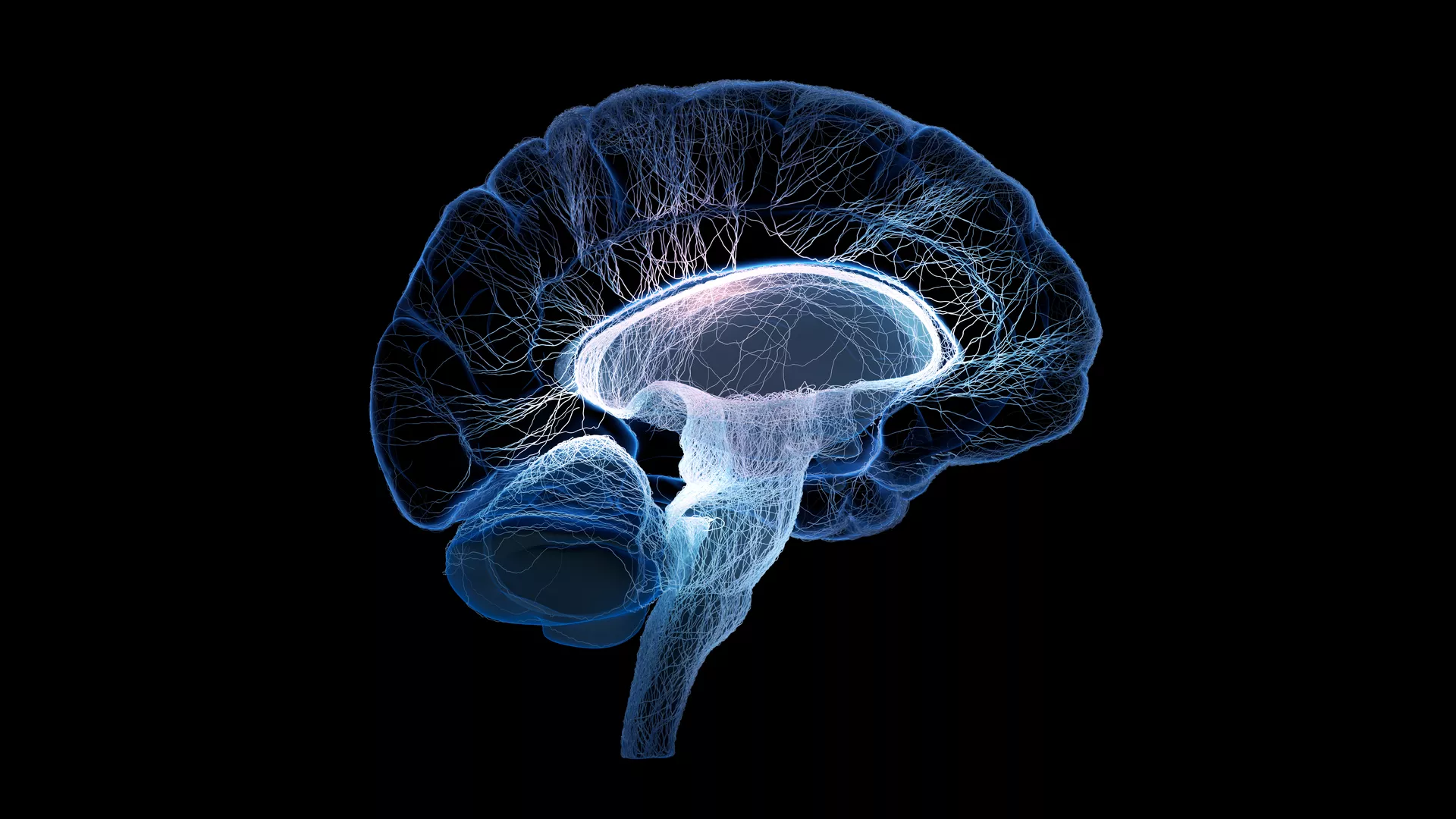
Experience-dependent brain circuit optimization represents a fascinating frontier in neuroscience, where serotonergic glial brain remodeling plays a pivotal role. As environmental sensory input influences the formation, pruning, and remodeling of synapses, it becomes crucial to understand the interactions between serotonergic systems and glial cells. This intricate relationship holds the key to brain plasticity—essential for cognitive adaptability and neurological health.
Understanding Serotonergic Glial Brain Remodeling
Serotonergic glial brain remodeling refers to the dynamic process by which the brain restructures its circuits in response to environmental stimuli. It hinges on the interaction between serotonin, a neurotransmitter, and glial cells in the brain. Researchers have focused on this interaction because it facilitates synapse formation and pruning, which are vital for neural circuit optimization.
The Role of Serotonin in Neural Plasticity
Serotonin significantly influences neural plasticity by modulating synaptic activity. For example, it aids in the regulation of mood and cognition, influencing how the brain adapts to stress and learning. Therefore, understanding its function in glial cells’ operations can unlock new insights into brain health and related disorders.
Glial Cells: The Unsung Heroes
Glial cells, once considered little more than support for neurons, are now known to be active participants in brain circuit remodeling. They contribute to the maintenance and plasticity of neural circuits by interacting with serotonergic systems. As a result, these cells can be seen as critical facilitators in the brain’s ability to adapt and optimize its functionality.
Implications of Serotonergic Glial Interactions
The interaction between serotonergic systems and glial cells has wide-ranging implications. Neuroscientists view it as a potential pathway to tackle neuropsychiatric disorders. This perspective is based on emerging research that shows how disturbances in this interaction could be linked to conditions like depression and anxiety. Consequently, understanding these mechanisms could lead to innovative therapeutic strategies. For more on how these interactions could aid in developing treatments for neuropsychiatric disorders, see the exploration of autism and ADHD connections. Additionally, enhancing education among general practitioners could support better understanding and treatments.
Research Perspectives on Serotonergic Glial Brain Remodeling
Studies in this field suggest a promising avenue for clinical applications. Researchers explore how targeted therapies that influence serotonergic and glial interactions could potentially mitigate cognitive and mood disorders. As a result, the ongoing research fosters hope for new treatments capable of enhancing mental health.
In conclusion, serotonin and glial cell interactions present an exciting frontier for optimizing brain circuits. As research advances, it could significantly impact understanding and treatment of neurological disorders, highlighting the need for further exploration into this promising field.
Key Takeaways
- Serotonergic glial brain remodeling is crucial for neural circuit optimization.
- Serotonin influences synaptic plasticity, impacting mood and cognition.
- Understanding these interactions could aid in developing treatments for neuropsychiatric disorders.
Medical Disclaimer
All information presented is for educational purposes and is not a substitute for professional medical advice.
