

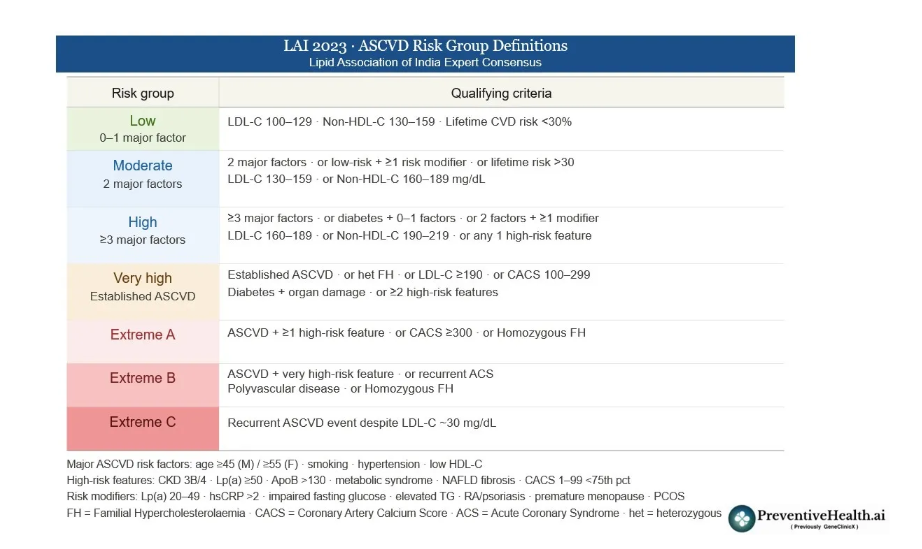
The calcium scan has emerged as a crucial tool in assessing heart health, offering a new protocol for identifying cardiovascular risk. This method, which measures calcium deposits in the coronary arteries, provides insights that are pivotal in preventing heart disease. Such measures have become more pertinent as cardiovascular disease continues to be a leading cause of mortality worldwide. As a result, understanding the implications of calcium scans can transform preventive cardiology.
In today’s medical landscape, changes in heart health guidelines underscore the significance of focusing on the prevention and early detection of cardiovascular issues. Consequently, the calcium scan has gained attention due to its non-invasive nature and actionable insights. It acts as a predictive measure, allowing for more tailored medical interventions for individuals at risk. These new moves mark a shift in how the medical community approaches heart disease prevention.
Calcium Scan’s Role in Heart Health
The inclusion of the calcium scan in heart health assessments offers a greater depth of information compared to traditional methods. The scan identifies the presence and extent of calcified plaque in the coronary arteries, which is a key indicator of heart disease risk. According to medical experts, early detection through such scans can significantly alter the course of treatment and improve patient outcomes. As patients and healthcare providers realize its importance, the demand for calcium scans is likely to increase.
How the Calcium Scan Works
Notably, a calcium scan involves a CT imaging test that detects calcium deposits in the heart’s arteries. Consequently, individuals with higher calcium scores may be at increased risk for future heart events, prompting interventions that could include medication or lifestyle changes. The scan, as outlined by Dr. Nickhil Jakatdar, is a powerful tool in the heart health arsenal, especially when paired with other diagnostic measures.
Who Benefits from Calcium Scanning?
Significantly, not everyone needs a calcium scan. Medical guidelines suggest that individuals with certain risk factors, such as family history, high cholesterol, or hypertension, are prime candidates for this test. By targeting those at most risk, healthcare providers can focus resources effectively, enhancing overall treatment efficacy. Moreover, these guidelines ensure that the scan is used strategically to maximize benefit while minimizing unnecessary healthcare expenditures.
The broader implications of this diagnostic approach may redefine preventive cardiology, emphasizing personalized care. Furthermore, as research evolves, the potential applications of calcium scanning could extend into other areas of health beyond cardiovascular disease.
Key Takeaways
- Calcium scans offer vital insights into coronary artery health.
- They can guide preventative measures and personalized treatment.
- Advancements in this area suggest broader applications in future cardiology.
Medical Disclaimer
This content is for informational purposes only and does not replace professional medical advice.
