

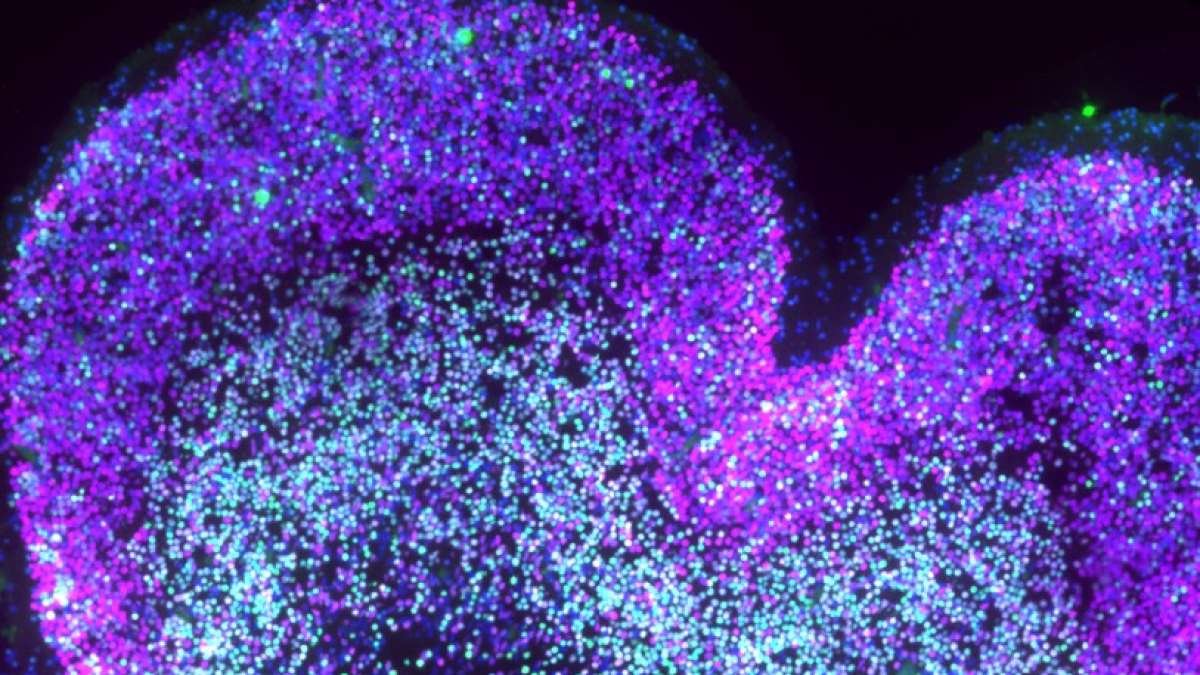
In the quest to understand how prenatal neurogenesis in Down syndrome affects brain development, researchers have made a groundbreaking discovery. Scientists at UCLA have meticulously mapped the developing human neocortex during critical prenatal periods with Down syndrome, revealing significant alterations in the neurodevelopmental process. This research sheds light on crucial developmental changes and potential areas for early intervention.
Prenatal Neurogenesis Down Syndrome: A Detailed Exploration
Down syndrome is characterized by an extra copy of chromosome 21, which influences brain development from the earliest stages. Researchers actively investigated this area and discovered how the condition affects prenatal neurogenesis, a vital process of creating new neurons in the brain. This study marks a significant advancement in our understanding of the developmental changes brought about by Down syndrome.
Mapping the Developing Human Neocortex
The research team utilized cutting-edge single-cell mapping techniques to explore the human neocortex in embryos diagnosed with Down syndrome. As a result, they identified specific changes in the pace at which new neural cells are generated. These changes suggest that the developmental tempo of neurogenesis is altered, potentially affecting cognitive function and brain structure in individuals with Down syndrome.
Implications for Early Interventions
The implications of this study extend beyond basic science; understanding prenatal neurogenesis in Down syndrome opens avenues for early clinical interventions. By identifying altered neurodevelopmental patterns, medical professionals can develop strategies to support optimal brain development before birth. Consequently, this could improve cognitive outcomes and quality of life for those affected. Moreover, researchers emphasize the necessity of integrating these findings into clinical practice. Transitioning research insights into strategies that aid early development is crucial for making meaningful progress in treating and managing Down syndrome.
Future Research Directions
While this study provides invaluable insights, the research community recognizes that further exploration is needed. Future studies will aim to refine mapping techniques and explore other neural regions affected by Down syndrome. Additionally, exploring how these discoveries can translate into effective clinical applications remains a priority. As research evolves, the hope is to uncover more precise intervention methods to mitigate developmental challenges associated with Down syndrome, similar to how neurokinin menopause therapy offers targeted relief through precise interventional approaches.
In conclusion, this comprehensive mapping of prenatal neurogenesis in Down syndrome represents a pivotal step in understanding the condition’s impact on brain development. By emphasizing early intervention possibilities and the potential for improved cognitive outcomes, this study sets the stage for future research and clinical advancements.
Key Takeaways
- Researchers created a single-cell map of the developing human neocortex in embryos with Down syndrome.
- They found notable alterations in the developmental tempo of neurogenesis.
- Findings may lead to early clinical interventions to optimize brain development before birth.
Medical Disclaimer
This article is for informational purposes only and should not be considered medical advice.
