

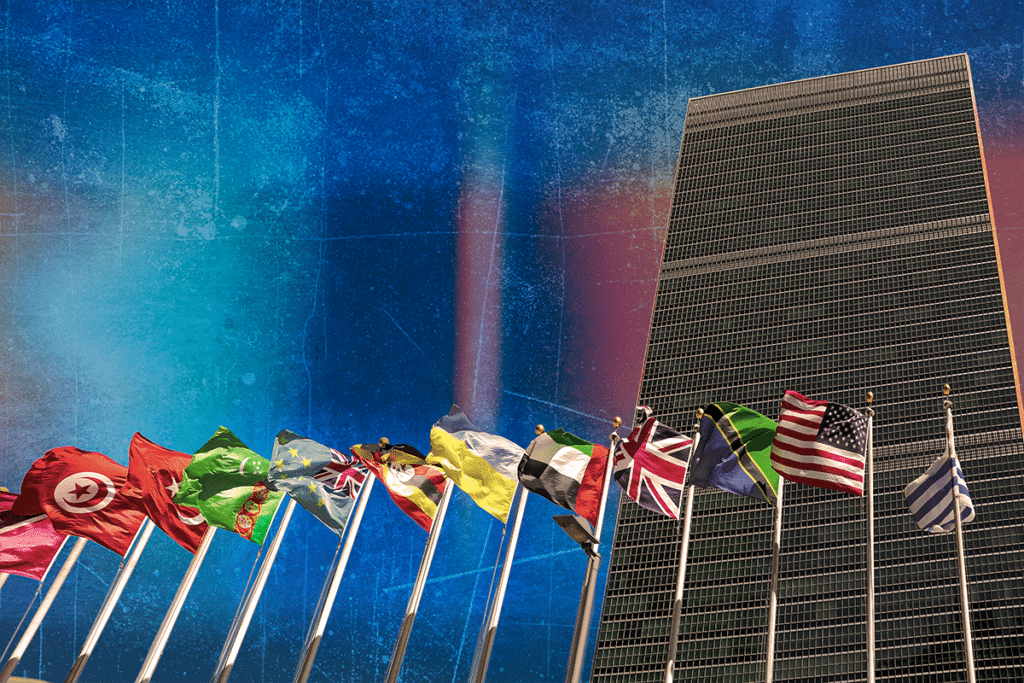
The UN Gender Equity Merger is causing waves of debate as it advances despite vocal opposition from gender equity and reproductive health advocates. This controversial move, which involves merging critical programs, has spurred concerns among experts who fear it might undermine years of progress made in women’s rights globally. As the United Nations faces mounting financial pressures, this decision invites scrutiny regarding its potential impacts on gender equality and the strategic choices involved in managing its budget constraints.
UN Gender Equity Merger: A Dilemma for Advocacy
As part of the United Nations’ ongoing efforts to streamline operations, this merger condenses multiple initiatives into a single entity. Critics argue that this approach prioritizes financial recovery over essential services. Advocates fear the cost-saving measures could lead to reduced focus and resources for women-specific programs. Consequently, many question the potential repercussions for fragile advancements made in reproductive rights and gender equality. Efforts like advancing women’s preventive health in Tucson demonstrate the importance of dedicated gender initiatives.
Examining the Financial Motivations
Financial constraints have pushed the United Nations into overhauling its organizational structures. Notably, the UN has faced budget shortfalls exacerbated by uneven contributions from member states. Therefore, this merger is seen as a fiscal strategy to mitigate these gaps. However, the decision to consolidate vital programs stirs anxiety about the long-term effects on women’s rights, which have historically been underfunded and politically sensitive.
Implications for Gender Equality Initiatives
Strategically realigning organizational priorities raises significant concerns about the sustained focus on gender equality. While the merger aims to foster operational efficiency, it risks overshadowing nuanced issues such as women’s health and empowerment. Therefore, the discussion pivots to whether these changes will impair the UN’s capacity to address gender disparities effectively. Additionally, stakeholders emphasize the need for transparent planning and robust support systems to safeguard gender-focused initiatives.
Reactions from the Global Community
Globally, women’s rights organizations express apprehension about this merger’s implications. Many have called for the suspension of this consolidation, demanding more thorough consultations with stakeholders. On the other hand, some proponents argue that a unified structure could enhance resource allocation and strategic cohesion. Nevertheless, the overriding sentiment remains cautious as advocates insist on maintaining dedicated efforts towards reproductive health and gender parity. Initiatives reflecting this commitment include the BRICS Mental Health Initiative, which underscores the potential for global cooperation in specialized areas.
In light of these developments, attention now turns to how the UN will balance its financial constraints with its commitment to advancing women’s rights. As discussions progress, the outcomes of this merger will likely serve as a critical indicator of the organization’s ability to uphold its values amidst fiscal challenges.
