

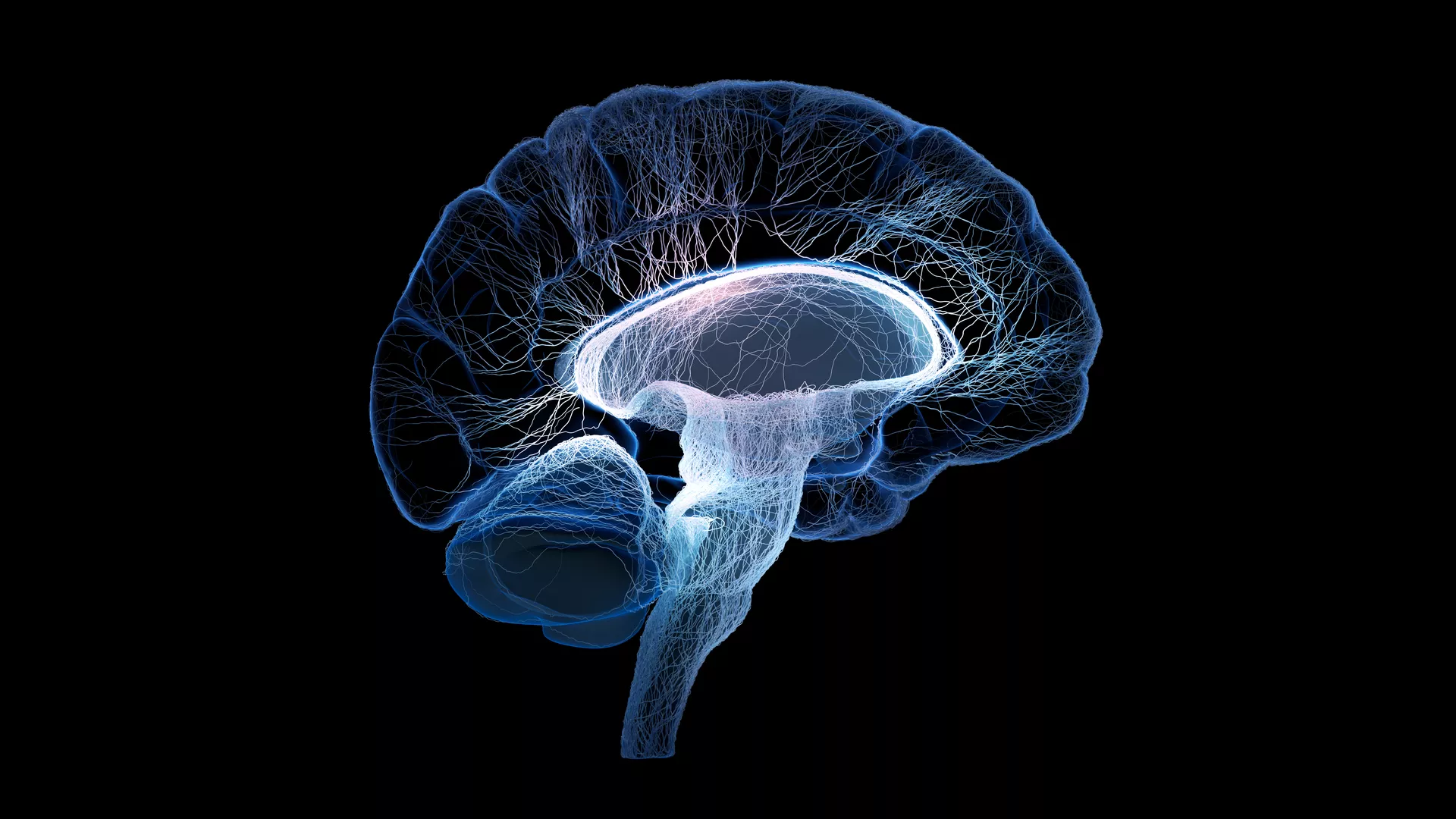
Vagus nerve stimulation has emerged as a promising therapy in the realm of autism research. It addresses maternal immune activation-induced changes that impact offspring neurodevelopment. This advancement is noteworthy because autism spectrum disorder (ASD) remains a complex neurodevelopmental condition with significant societal and personal implications.
Vagus Nerve Stimulation Autism: A Promising Approach
Researchers have highlighted the potential of vagus nerve stimulation (VNS) in modulating inflammatory responses linked to neurodevelopmental disorders such as autism. VNS works by targeting the body’s inflammatory pathways, which are often disrupted in ASD cases, particularly those associated with maternal immune activation.
Understanding the Science Behind Vagus Nerve Stimulation
Vagus nerve stimulation involves the application of electrical impulses to the vagus nerve, which plays a crucial role in the autonomic nervous system. This treatment aims to balance the body’s immune reactions that can affect fetal brain development. For example, during maternal immune activation, inflammatory signals can alter microglia, the brain’s innate immune cells, potentially leading to ASD-related neurodevelopmental changes.
The Impact of Inflammation on Neurodevelopment
Autism spectrum disorder results from a combination of genetic predispositions and environmental triggers. Inflammation within the mother’s body, particularly during critical periods of pregnancy, can significantly influence the neurodevelopmental trajectory of the offspring. Therefore, researchers are considering therapies like VNS to mitigate these inflammatory impacts, offering hope for reducing ASD symptoms and improving outcomes.
Potential Benefits and Limitations
Although vagus nerve stimulation shows significant promise, research is still emerging, and evidence remains limited at this stage. Initial findings indicate that VNS could regulate inflammatory markers and restore typical microglial function in the developing brain. However, further studies are necessary to confirm these outcomes and to understand the long-term implications of such interventions. Importantly, while VNS is a therapeutic possibility, it is not a cure and should be considered part of a broader suite of autism treatments.
In summary, the application of vagus nerve stimulation in the context of autism offers innovative possibilities. As research progresses, this therapeutic approach may pave the way for more effective interventional strategies to manage and understand autism spectrum disorder.
Key Takeaways
- Vagus nerve stimulation targets inflammation, potentially improving neurodevelopmental outcomes in autism.
- Maternal immune activation during pregnancy can affect fetal brain development, highlighting the need for innovative therapies.
- While promising, vagus nerve stimulation requires further research to establish comprehensive and long-term benefits.
Medical Disclaimer
This article provides information only and does not constitute medical advice.
