

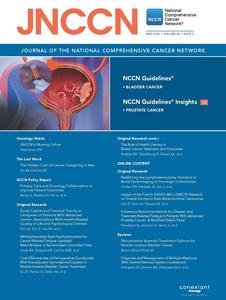
A groundbreaking study on cancer fatigue medication has emerged, offering compelling evidence for the effective use of psychostimulants in combating this debilitating condition. The latest research published in the Journal of the National Comprehensive Cancer Network (JNCCN) provides a thorough meta-analysis of nine randomized clinical trials, shedding new light on the efficacy of this treatment for cancer-related fatigue.
Understanding Cancer Fatigue Medication
Cancer fatigue remains a significant issue for patients undergoing treatment, severely impacting their quality of life. The recent study explores the potential role of psychostimulants as a viable solution. Researchers conducted a detailed evaluation, aiming to determine how these medications can alleviate fatigue symptoms in those battling cancer.
Methodology and Key Findings from the Study
Researchers meticulously analyzed data from nine distinct randomized clinical trials, focusing on psychostimulant effects and patient outcomes. As a result, the study indicated marked improvements in fatigue levels among patients who received this class of medication compared to those in control groups.
Implications for Future Cancer Treatments
This study’s findings suggest a promising avenue for enhancing cancer patients’ quality of life through targeted fatigue management. With an increasing number of individuals surviving cancer, addressing long-term side effects like fatigue is crucial. The evidence supports integrating psychostimulants into broader cancer care protocols, potentially setting a new standard in supportive cancer treatment.
Furthermore, researchers emphasized the importance of personalized treatment plans, as responses to psychostimulants can vary significantly among individuals. The study highlighted the need for clinicians to tailor approaches based on specific patient conditions and preferences, ensuring optimal outcomes and minimal side effects.
Key Takeaways
- The study provides comprehensive evidence supporting the use of psychostimulants for managing cancer-related fatigue.
- Data from nine randomized clinical trials underline significant improvements in patient fatigue levels.
- Researchers advocate for personalized treatment plans to maximize benefits and minimize side effects.
Medical Disclaimer
This article offers information for educational purposes and is not a substitute for professional medical advice.
