

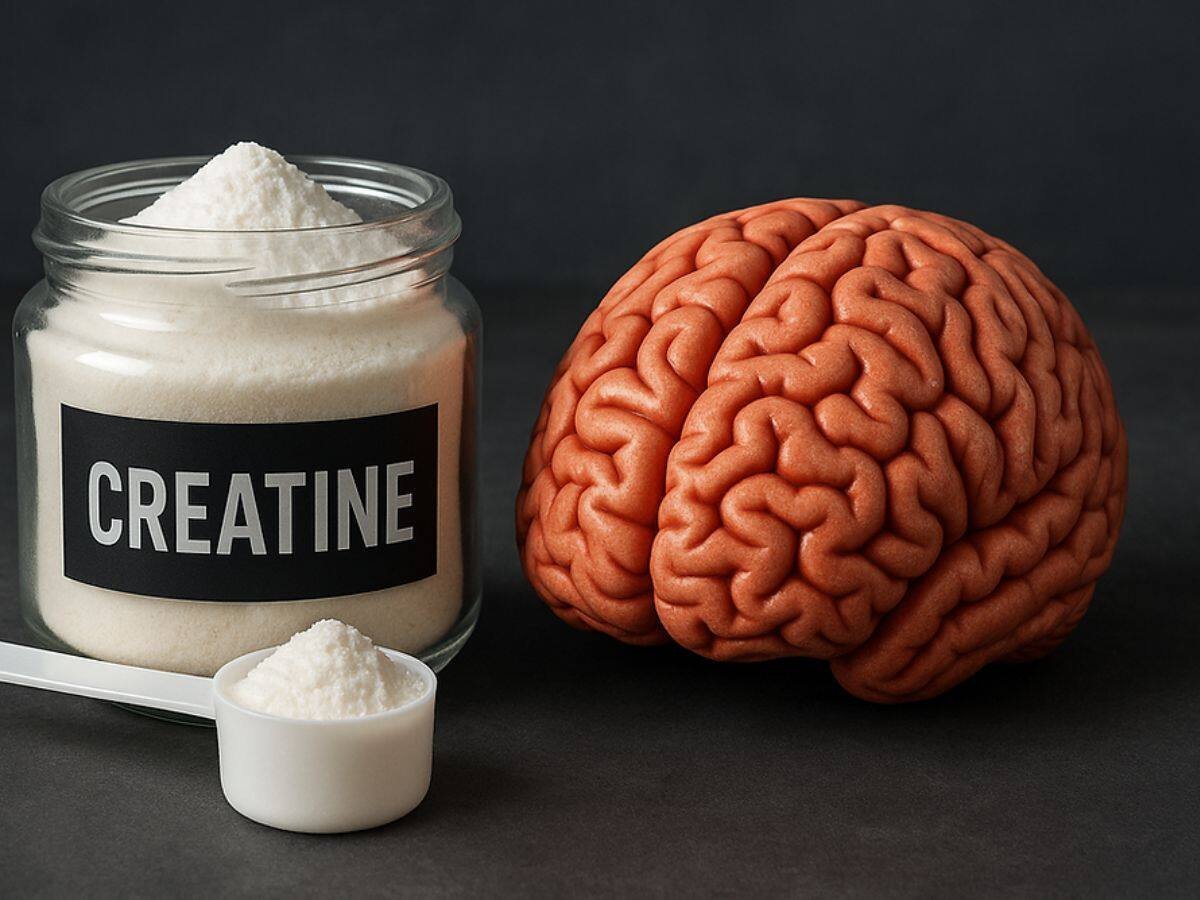
Creatine stands out as a remarkable compound renowned for its benefits on muscle growth and brain function. Recent studies explore how creatine supports not just physical performance but also cognitive health, underscoring its safety for daily use. Understanding creatine’s dual impact can help unleash new potential in both athletic and mental pursuits.
Understanding Creatine Brain Function Benefits
Creatine, a naturally occurring substance in muscle cells, aids energy production during high-intensity activities. Now, researchers have turned their attention to its impact on the brain. As it turns out, creatine might enhance cognitive performance, particularly under stress or fatigue.
Enhanced Energy for the Brain
When we think of creatine, muscle power usually comes to mind. However, its role in brain energy metabolism is gaining recognition. Creatine provides additional phosphate groups to ADP, helping regenerate ATP, the primary energy currency of cells. This action supports brain function, especially during tasks requiring sustained mental effort.
Creatine’s Impact on Cognitive Function
Several studies suggest that creatine supplementation could bolster cognitive function. For instance, individuals engaged in mentally demanding tasks have shown improved memory and attention spans. Moreover, in high-stress situations, creatine may mitigate cognitive decline by offering a stable energy supply to the brain.
Evidence on Safety and Functionality
Concerns about creatine’s safety have been largely dispelled by extensive research. Studies conclude that when taken in recommended dosages, creatine is safe for healthy individuals. It does not affect liver or kidney function adversely, reassuring its role in long-term use for enhancing mental and physical performance.
Key Takeaways
- Creatine supports brain function by boosting energy metabolism.
- Research suggests cognitive improvements in tasks requiring intense mental effort.
- Supplementation is deemed safe for healthy individuals according to current studies.
Medical Disclaimer
This article provides information for educational purposes only, and not medical advice.
