

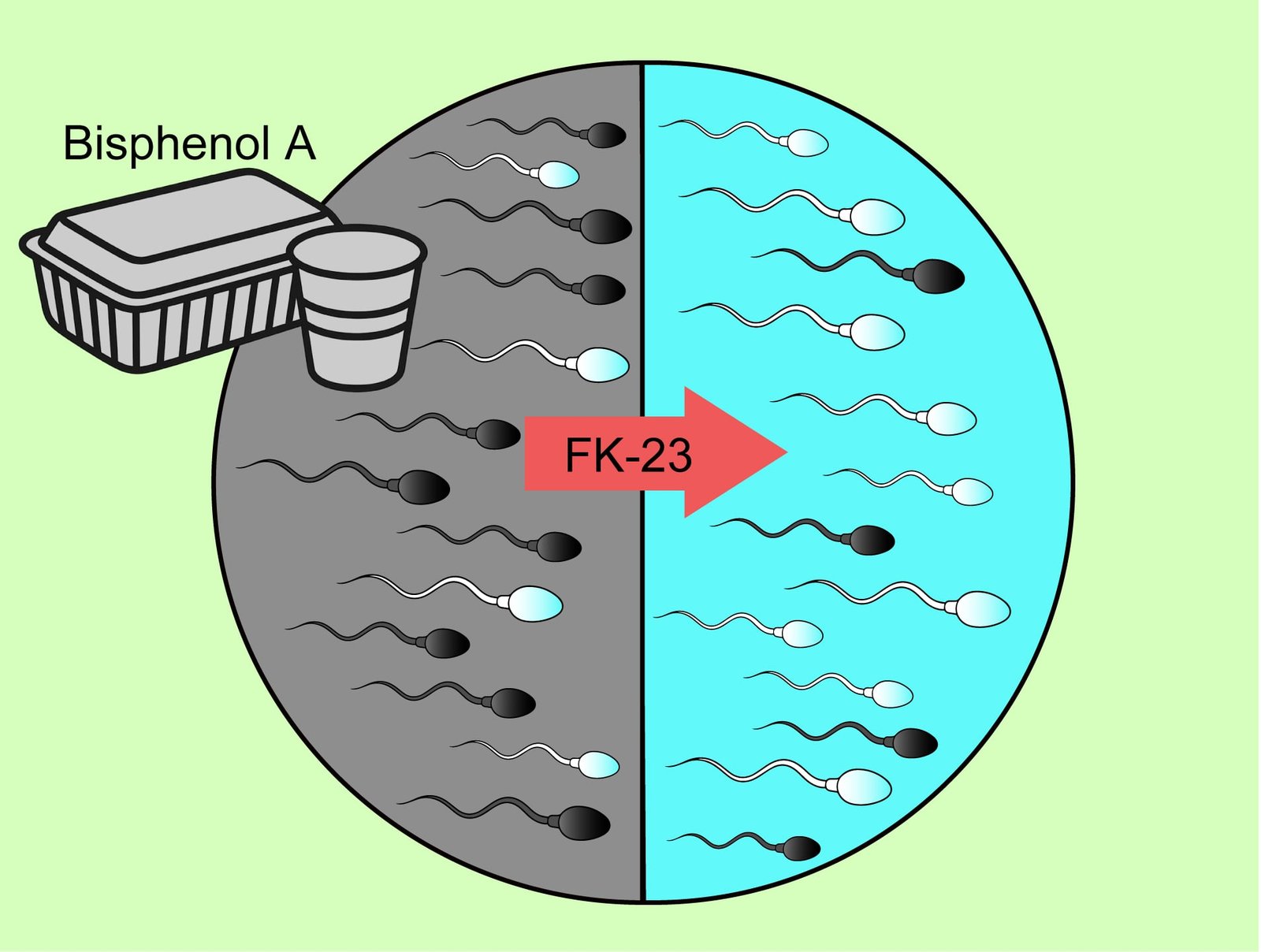
In a significant advancement for male reproductive health, researchers have demonstrated that a paraprobiotic, notably derived from lactic acid bacterium FK 23, can counteract the negative impacts of bisphenol A (BPA) on male fertility. This discovery holds elevated importance given the pervasive use of BPA in producing plastics, such as those found in food containers. Researchers conducted this pivotal study using a rat model to assess the effectiveness of FK 23 in improving sperm dysfunction induced by BPA exposure.
BPA Fertility Restoration Paraprobiotic: A Path Forward
The research highlights the harmful effects of BPA, a ubiquitous chemical in plastics, on male fertility. As concern grows over BPA’s endocrine-disrupting properties, scientists have searched for solutions to mitigate its effects. By identifying FK 23’s potential to restore fertility harmed by BPA, researchers are paving the way for new interventions that might eventually benefit human health.
Understanding BPA’s Impact on Male Fertility
BPA is well-recognized for its ability to disrupt hormonal balance, thereby affecting reproductive health. Notably, it poses risks to male fertility by impairing sperm function. Scientists have long sought to understand how to counteract these impairments, and the FK 23 paraprobiotic presents a promising avenue. By implementing a rat model, researchers observed significant improvements in sperm quality, suggesting potential applications for humans in the future.
Optimizing Fertility with Paraprobiotics
The potential of paraprobiotics, such as FK 23, in restoring fertility offers new hope. These unique probiotics, though not living, can positively influence the host’s biological functions. The study indicates that FK 23 may restore normal sperm function even when compromised by environmental toxins like BPA. Consequently, this finding could lead to innovative treatments for subfertility linked to chemical exposure.
The Broader Implications for Health and Safety
Given the widespread prevalence of BPA in everyday products, the implications of this research are substantial. It underscores the necessity of exploring alternative materials and strategies to counteract BPA’s adverse effects on health. As more studies validate FK 23’s efficacy, it may become a cornerstone for future interventions aimed at safeguarding reproductive health across populations.
As the focus shifts to human clinical trials, researchers remain hopeful that the findings will translate effectively, offering a tangible solution to combat the challenges posed by BPA exposure.
Key Takeaways
- FK 23 shows promise in reversing BPA-induced sperm dysfunction.
- BPA’s widespread use accentuates the need for effective interventions.
- Future research may establish FK 23 as a viable treatment option.
Medical Disclaimer
This article is for informational purposes only and does not constitute medical advice.
