

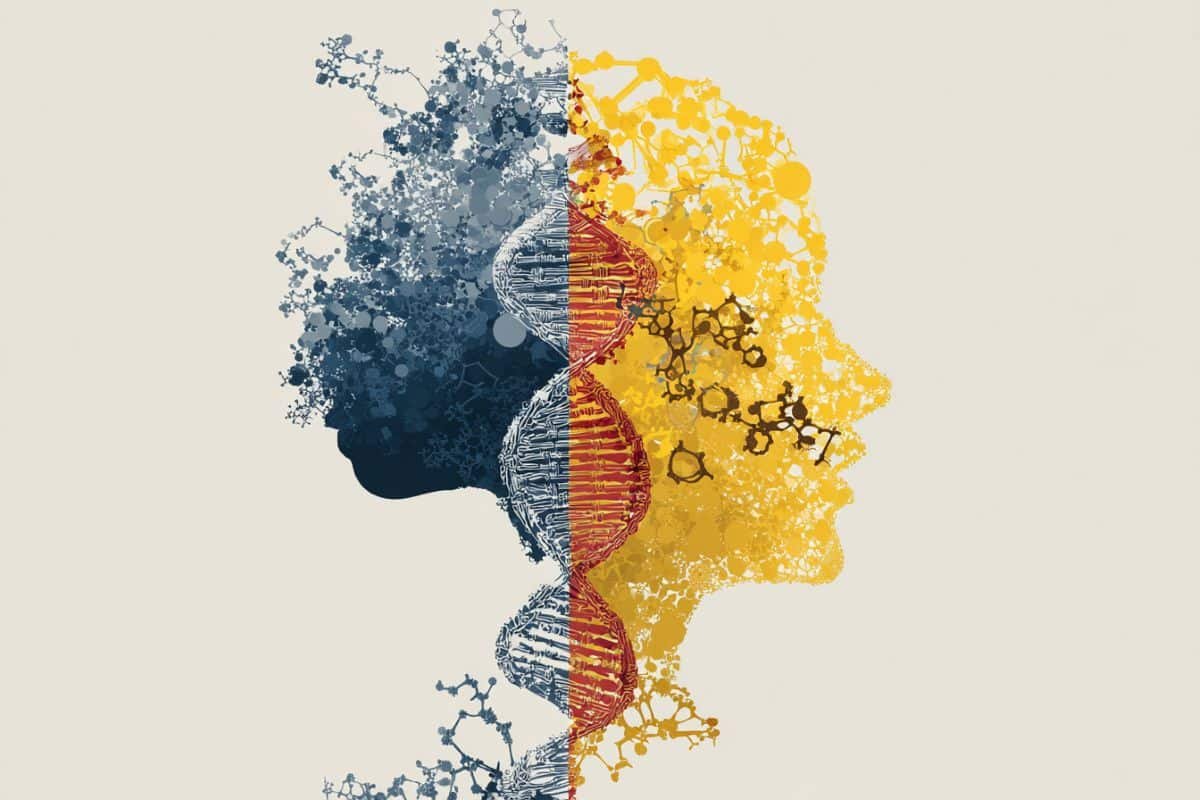
The genetic underpinnings of schizophrenia have long puzzled scientists, and recent research highlights how this condition uniquely alters brain development in adolescents. Genetic schizophrenia impacts brain growth patterns, leading to noticeable changes during early teenage years. This insight is crucial for understanding how genetic factors influence neurological development and mental health disorders.
Genetic Schizophrenia Teen Brain: Impacts on Development
Researchers reveal that a genetic predisposition to schizophrenia significantly affects the frontal cortical surface area in teens. The study identifies a distinct reduction in this crucial brain region, underscoring how genetic risks diverge normal growth trajectories. This finding offers a new perspective on how schizophrenia manifests during pivotal developmental phases. Similar cognitive challenges can also be seen in children who face parental mental illness, as explored in the cognitive challenges article.
Understanding the Frontal Cortical Changes
The frontal cortex is integral to cognitive functions such as decision-making, problem-solving, and social behavior. Therefore, alterations in this area’s growth due to genetic schizophrenia risk can profoundly impact adolescents. Specifically, the decreased surface area may contribute to cognitive and behavioral challenges typically observed in schizophrenia.
Implications for Early Intervention
Understanding these early changes in brain development provides an opportunity for timely interventions. As researchers observe these patterns, they can tailor strategies to mitigate the potential onset of schizophrenia symptoms. Consequently, identifying at-risk individuals can drive more personalized and effective treatment pathways.
Future Directions in Research
The study’s findings open avenues for further research into preventative approaches. By exploring how genetic schizophrenia affects brain architecture, scientists can develop targeted therapies. Additionally, this knowledge fosters innovation in diagnostic tools, helping to recognize the disorder before severe symptoms emerge. The insights gained here might parallel the innovative approaches seen in other interdisciplinary fields.
In conclusion, the genetic factors underlying schizophrenia’s impact on teen brain development reveal significant challenges and opportunities. As research evolves, these insights promise to enhance early detection and intervention strategies, ultimately improving outcomes for at-risk youth.
Key Takeaways
- Genetic risks for schizophrenia alter the frontal cortical surface area in teens.
- These changes can affect cognitive and behavioral development.
- Early intervention can target these alterations to prevent symptom progression.
Medical Disclaimer
The content provided is for informational purposes only and should not be taken as medical advice.
