

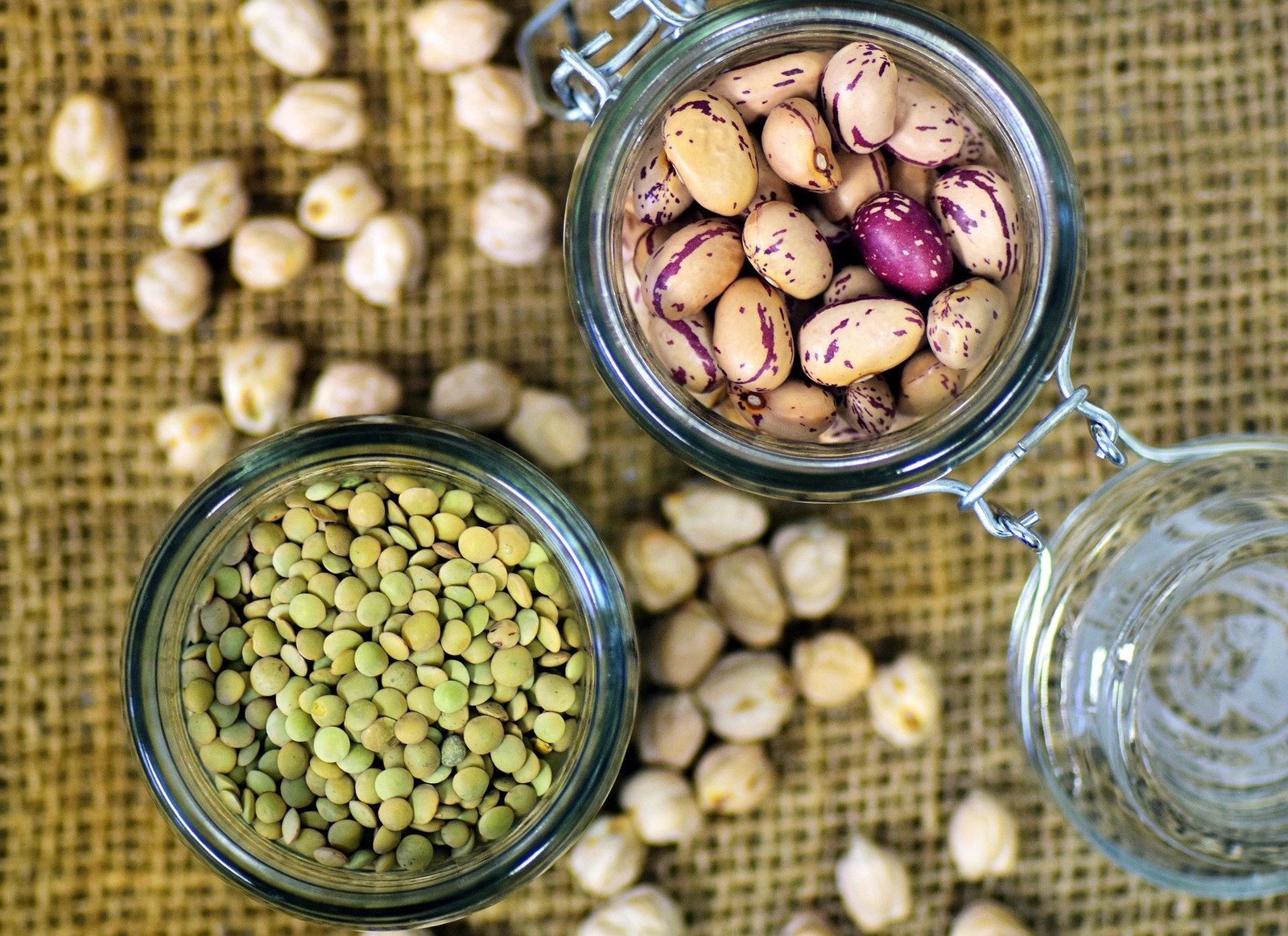
Recent research into the dietary impact of soy legumes reveals a significant connection to naturally lowering blood pressure, a finding that demands doctors’ attention. Increasing the intake of soy products and other legumes may offer a natural dietary strategy to combat high blood pressure, a major risk factor for cardiovascular diseases. This shift in understanding could reshape how health professionals approach diet and blood pressure management.
The Connection Between Soy Legumes and Blood Pressure
The analysis of available evidence, as published in the BMJ Nutrition, shows that soy and legumes stand out due to their ability to lower the risk of high blood pressure. Legumes include a variety of key foods such as lentils, chickpeas, and soybeans, each contributing to heart health. This research highlights the potential for these plant proteins to play a pivotal role in managing blood pressure more naturally. To discover other unique dietary approaches, you might want to read about how evidence-based food apps assist consumers in making informed choices.
Research Findings on Soy Legumes
Researchers compiled data from multiple studies that focused on dietary patterns and blood pressure. They discovered a consistent link suggesting that individuals with higher soy and legume consumption generally experienced lower blood pressure levels. Furthermore, the proteins and nutrients within these foods may enhance vascular function and reduce cholesterol, leading to better heart health.
Benefits of Incorporating Soy Legumes
Incorporating soy and legumes into daily diets not only offers potential blood pressure benefits but also provides additional nutritional advantages. These foods are high in fiber, protein, and essential nutrients, making them a valuable addition to any diet. Transitioning to a diet rich in plant-based proteins could yield numerous health benefits while addressing dietary risks associated with high blood pressure. When considering dietary changes for health improvements, it’s important to rely on sustainable sources such as spirulina for essential nutrients like vitamin B12.
How Doctors Are Responding to Dietary Changes
Given the positive outcomes highlighted in recent research, some doctors now recommend incorporating more legumes into their patients’ diets as a preventive measure against high blood pressure. This change represents a broader movement in medicine towards preventative, rather than reactive, health management strategies. As awareness grows, more health practitioners may consider dietary adjustments as a primary component of treatment plans for at-risk individuals.
Ultimately, as research continues to emerge, the role of soy and legumes in heart health becomes increasingly compelling. This natural approach offers a promising alternative for those seeking to lower blood pressure through dietary changes.
Key Takeaways
- Increasing soy and legumes in your diet can help naturally reduce blood pressure.
- Legumes offer heart health benefits due to their fiber and protein content.
- Doctors are beginning to recommend these dietary changes as a preventative measure.
Medical Disclaimer
This information serves educational purposes and should be discussed with a healthcare provider for personalized advice.
