

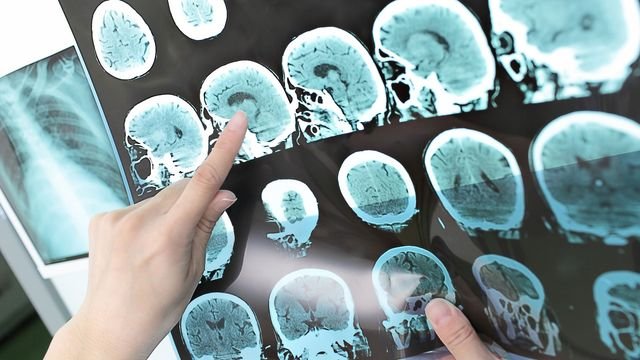
Recent findings reveal that EEG brain waves can predict anxiety in kids at the tender age of 9. A transformative seven-year study has pinpointed specific brain-wave patterns that can foretell the likelihood of developing anxiety or depression by age 13, underscoring the critical role of early detection in mental health.
How EEG Brain Waves Indicate Anxiety in Kids
Electroencephalography, commonly known as EEG, serves as a window into the brain’s complex activity. Researchers have discovered distinct patterns in EEG brain waves that reveal early indications of anxiety in children. These patterns are characterized by increased activity in the brain’s right hemisphere, directly correlating with anxiety-related behaviors. Such findings highlight the growing importance of EEG technology in pediatric neuroscience.
Understanding Right-Brain Activity
The study shows that right-brain neuron activity plays a crucial role in anxiety detection in kids. Typically, the right hemisphere is involved in emotional processing and becomes more active when a child experiences anxiety. By recognizing these changes, EEG provides a reliable method for early intervention. Additionally, it facilitates timely therapeutic measures, potentially altering children’s mental health trajectories.
The Significance of Early Detection
Identifying anxiety through EEG brain waves at age 9 serves as a proactive step toward mental wellness. Early diagnosis paves the way for targeted interventions, helping mitigate the risk of developing full-blown anxiety disorders by adolescence. Moreover, this approach empowers parents and caregivers to understand and address mental health issues more effectively, enhancing the quality of life for both children and families.
Identifying Depression Through EEG Patterns
Depression, like anxiety, can be anticipated by analyzing EEG patterns. In contrast to anxiety, depression often manifests in the left hemisphere of the brain. Increased left-brain activity indicates a predisposition to depressive disorders, offering a new avenue for early diagnosis and prevention efforts.
The Role of Left-Brain Circuits in Depression
EEG studies reveal that heightened activity in left-brain circuits is a predictor of depression in children. These circuits play a pivotal role in mood regulation and cognitive functions. Recognizing aberrant patterns in this area allows healthcare professionals to address potential depression symptoms early, potentially averting long-term mental health issues.
Implications for Mental Health Treatment
The capability to detect depression early through EEG brain waves significantly impacts treatment strategies. Early detection ensures that children receive appropriate care before symptoms exacerbate. As a result, it facilitates a more customized approach to therapy, focusing on individual needs and improving overall treatment outcomes.
In conclusion, the use of EEG brain waves offers promising prospects in diagnosing and treating anxiety and depression at a young stage. By harnessing this technology, we can gain critical insights into mental health, ultimately improving intervention methods and patient care outcomes. Polyendocrine Ovarian Syndrome Care<\/a> serves as another example where early detection and management play crucial roles in treatment outcomes.
Key Takeaways
- EEG patterns at age 9 can predict anxiety and depression by age 13.
- Right-brain activity is linked to anxiety detection, while left-brain activity indicates depression.
- Early detection enables targeted interventions, improving mental health outcomes.
Medical Disclaimer
This content is intended for informational purposes only and should not replace professional medical advice.
