

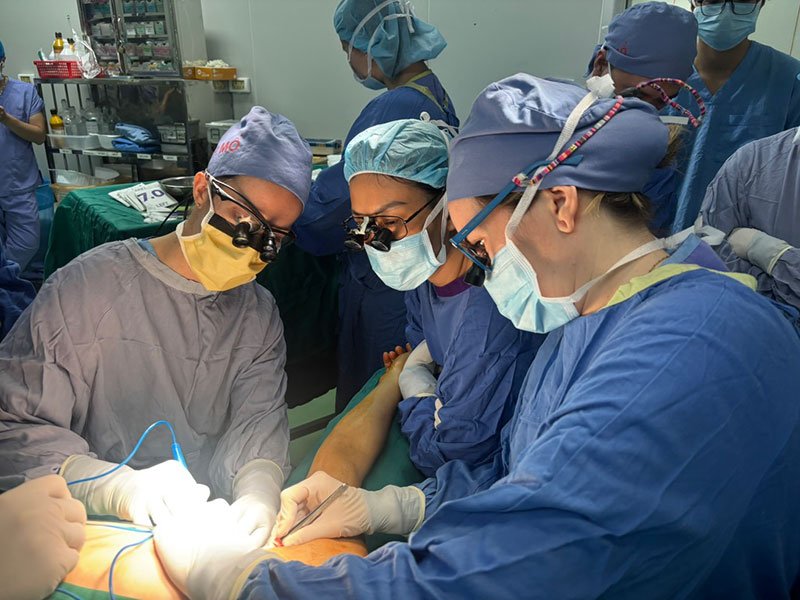
Training surgeons in Vietnam is proving pivotal in building lasting expertise and expanding surgical care. Dr. Phuong Nguyen has adopted a transformative approach by shifting from traditional short-term medical missions to in-depth training programs. This change aims to enhance local capacities and provide sustainable healthcare improvements in developing regions like Vietnam.
Emphasizing Sustainable Healthcare through Training Surgeons in Vietnam
Dr. Nguyen’s strategy centers around training local surgeons to handle complex procedures independently. Rather than temporary interventions, these efforts focus on capacity building, ensuring long-term accessibility to advanced surgical care. Consequently, this profound change extends the impact of medical assistance well beyond the presence of international teams.
Addressing Challenges in the Local Healthcare System
The Vietnamese healthcare system faces numerous challenges, including limited access to specialized surgical care. By training surgeons in Vietnam, these barriers can be gradually overcome. As more local professionals become proficient in advanced surgical techniques, the overall healthcare quality in underserved areas significantly improves, directly benefiting patients who might otherwise forego necessary medical interventions.
Building Expertise: A Collaborative Approach
Dr. Nguyen’s methodology fosters collaboration, enhancing the expertise of local medical professionals. He emphasizes hands-on training sessions, workshops, and ongoing mentorship. With these initiatives, local surgeons gain confidence and competence, enabling them to perform intricate surgical procedures effectively. This collaborative framework not only improves patient outcomes but also elevates the standard of healthcare services nationwide.
Broader Implications of Training Surgeons in Vietnam
Expanding this training model holds significant potential for other developing regions as well. The ripple effect of skilled local surgeons empowers communities, reduces reliance on foreign aid, and fosters self-sufficient healthcare systems. As expertise and resources grow locally, the overall burden on international health missions gradually decreases, allowing them to focus on more strategic support efforts elsewhere. For instance, similar approaches may be applied in managing other healthcare challenges, like those outlined in postpartum depression treatment advancements.
In summary, the shift from short-term medical missions to training surgeons in Vietnam exemplifies a sustainable model for expanding healthcare access. By investing in local talent and resources, this approach ensures long-lasting benefits and paves the way for holistic healthcare improvements across developing countries.
Key Takeaways
- Dr. Phuong Nguyen’s focus on training local surgeons in Vietnam enhances sustainable healthcare.
- Building local expertise reduces dependency on short-term medical missions.
- This model offers a scalable solution for other developing regions worldwide.
Medical Disclaimer
This article provides information meant for educational purposes and should not be considered a substitute for professional medical advice.
