

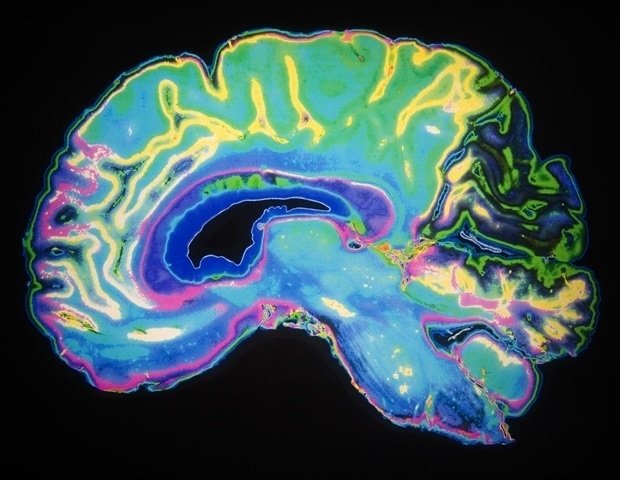
Deep sleep brain detox is gaining attention as researchers leverage artificial intelligence to uncover the intricate fluid flow patterns in sleeping brains. Advances in technology have unveiled significant insights into how cerebral processes during deep sleep help cleanse the brain of metabolic waste, a discovery that could play a crucial role in understanding and potentially mitigating neurological disorders such as Alzheimer’s disease.
Deep Sleep: The Brain’s Nightly Detox
During deep sleep, a cerebrospinal fluid swirls around the brain, performing a vital cleansing function. This night-time process involves the removal of metabolic waste products, which, if accumulated, have been associated with neurodegenerative diseases. Researchers discovered that this fluid movement is not only crucial for maintaining brain health but also that it follows distinct patterns, which, until recently, remained hidden from scientific observation. Understanding these indicators is essential for policymakers and health professionals aiming to enhance the nation’s overall well-being.
The Role of Artificial Intelligence in Brain Research
Artificial intelligence (AI) has played a pivotal role in revealing these hidden fluid flow patterns. By employing sophisticated AI algorithms, researchers can analyze vast amounts of brain imaging data to detect patterns that were previously undetectable. This breakthrough offers a new lens through which scientists can view the complex interactions within the brain, especially during the critical phases of deep sleep brain detox. Explainable AI in psychiatry reshapes mental health care by providing clinicians with enhanced insights, similar to those being achieved in sleep research.
Implications for Neurological Health
Understanding the mechanics of brain detoxification is more than a mere scientific curiosity; it holds significant implications for neurological health. As the evidence grows, it becomes increasingly clear that optimizing deep sleep may influence the onset and progression of diseases like Alzheimer’s. Consequently, scientists are eager to explore how improving sleep quality could serve as a preventive measure against such disorders. The exploration of potential responses to the impacts of reduced estrogen on brain function could offer new hope for women’s long-term neurological health, as seen in studies about the estrogen brain health connection after menopause.
Future Directions in Sleep and Neurological Research
Continuing research into deep sleep’s detoxifying role opens new pathways for therapeutic interventions. As AI tools grow more sophisticated, they will likely reveal further nuances of sleep-related brain detoxification processes. This knowledge could revolutionize how medical professionals approach sleep disorders and their associated health risks, paving the way for innovative treatments and improved patient outcomes.
In conclusion, the application of artificial intelligence in sleep neuroscience marks a significant leap forward in our understanding of the brain’s detoxification process during deep sleep. This emerging research not only enhances our knowledge of brain function but also presents promising avenues for addressing neurological diseases.
Key Takeaways
- Deep sleep facilitates the brain’s natural detoxification by circulating fluid that removes metabolic waste.
- AI technology helps uncover previously hidden patterns in cerebral fluid movement during sleep.
- This discovery may drive new treatments for neurological conditions like Alzheimer’s disease.
Medical Disclaimer
This content is for informational purposes only and is not intended as medical advice.
