

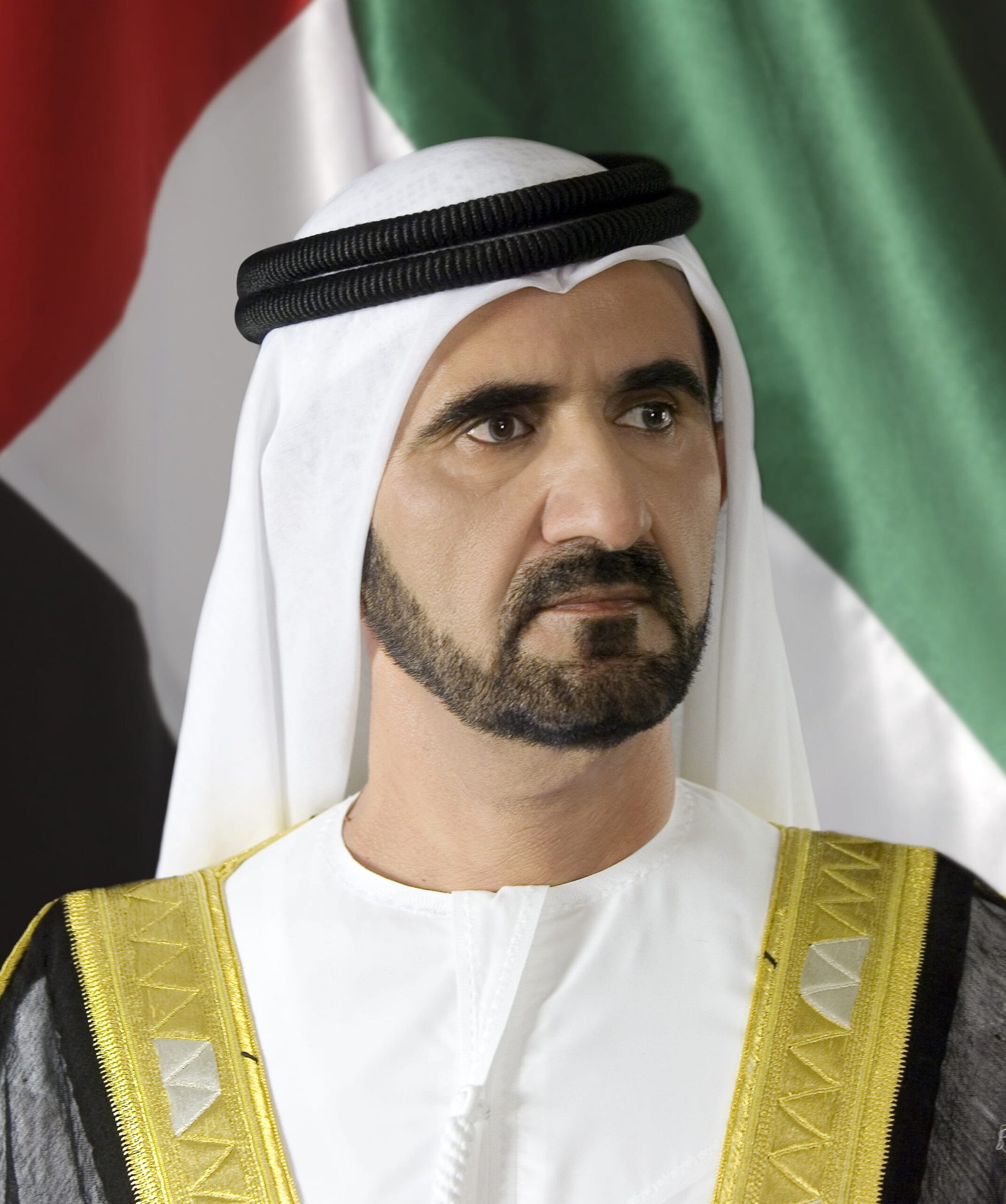
In a significant move to enhance governance, His Highness Sheikh Mohammed bin Rashid Al Maktoum approved the reconstitution of the Emirates Health Services Board of Directors, led by the new chair, Ahmed bin Ali Al Sayegh. This reorganization aims to streamline decision-making processes and reinforce the agency’s strategic direction, which holds considerable implications for the UAE’s burgeoning healthcare sector.
The reconstitution of the board underlines the UAE’s commitment to advancing its healthcare services through leadership and strategic foresight. With Ahmed bin Ali Al Sayegh at the helm, the board is expected to drive pivotal initiatives that align with national health objectives. Consequently, this development positions Emirates Health Services to better tackle modern healthcare challenges while supporting the nation’s vision for an innovative and sustainable future.
Emirates Health Board Reconstitution Details
The newly appointed board, chaired by Ahmed bin Ali Al Sayegh, marks a fresh phase for Emirates Health Services. His leadership is anticipated to bring innovative strategies to the forefront, enhancing the organization’s operational capabilities. Notably, the board’s reconstitution reflects a broader governmental strategy to adapt to evolving healthcare demands and implement policies that reflect global best practices.
Key Changes and Anticipated Impacts
The reconstitution mainly focuses on integrating robust leadership within the health sector, which aims to boost its efficiency and effectiveness across the region. Furthermore, Al Sayegh’s appointment signals a commitment to nurturing strategic partnerships, optimizing resources, and fostering a culture of continuous improvement. These actions are crucial, given the rapid technological advancements and demographic shifts affecting healthcare delivery.
Future Prospects for Healthcare in the UAE
Looking forward, the Emirates Health Services Board under Al Sayegh is poised to advance key health initiatives that prioritize patient care and innovative solutions. Subsequently, this move aligns with the UAE’s long-term strategic goals, emphasizing sustainable development and resilience in public health infrastructures. As a result, this decision could potentially elevate the UAE’s standing in the global health arena. The UAE’s proactive measures in healthcare governance, such as the UAE midday work ban, further underscore this commitment.
Meanwhile, stakeholders are keenly observing how the enhanced governance structure will translate into tangible health outcomes and improved service delivery. This focus is integral to aligning with national expectations and international health standards.
Key Takeaways
- The reconstitution reflects a commitment to improved governance.
- Leadership under Ahmed bin Ali Al Sayegh is expected to drive innovation.
- The board will likely align with strategic national health objectives.
Medical Disclaimer
This content is for informational purposes only and does not replace professional medical advice.
