

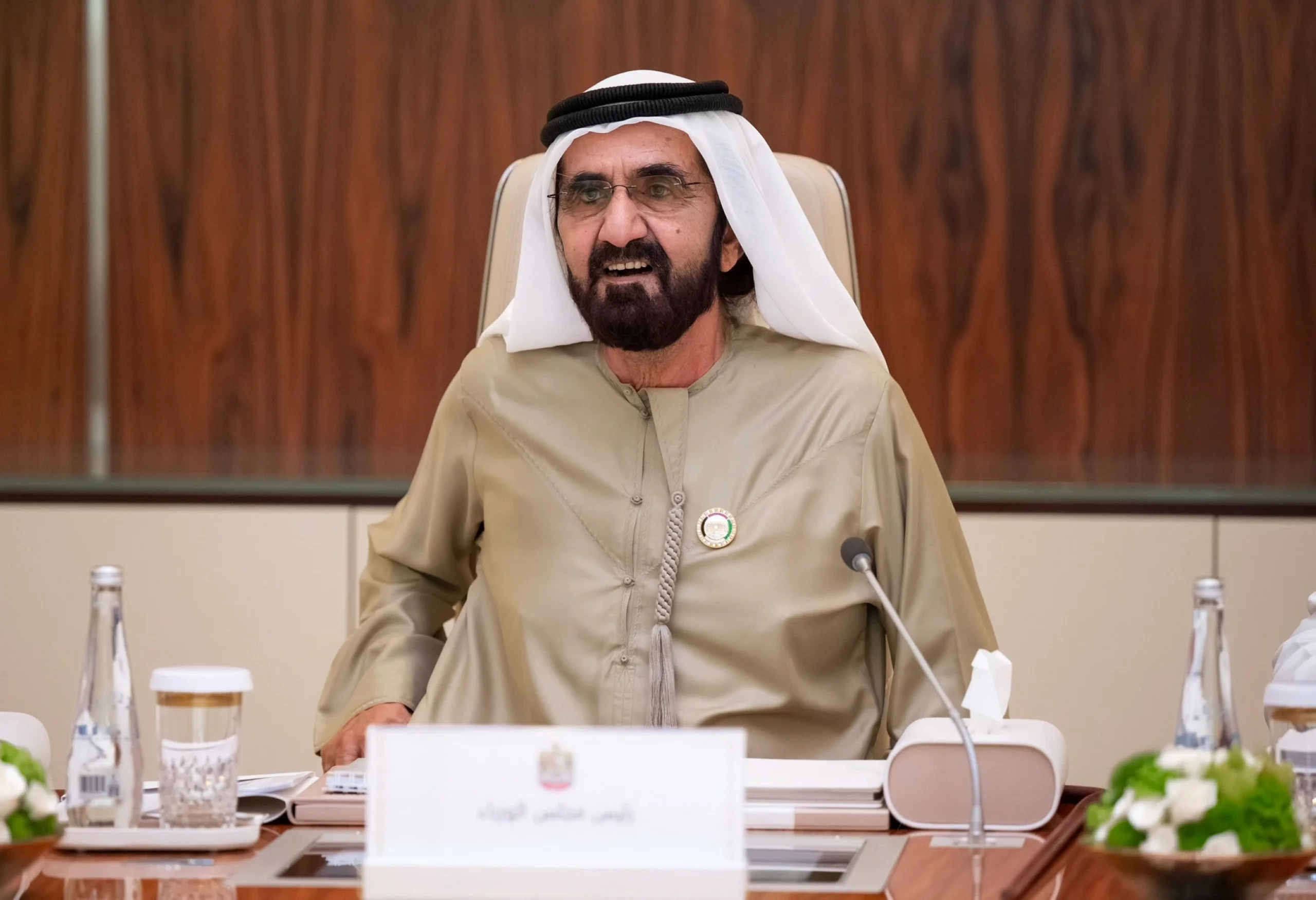
The UAE healthcare board reconstitution has been officially approved by His Highness Sheikh Mohammed Bin Rashid Al Maktoum, Vice President, Prime Minister of the UAE, and Ruler of Dubai, aiming to strengthen the nation’s healthcare sector. This strategic move underscores the government’s ongoing commitment to enhancing healthcare services, reflecting a focus on sustainability and innovation.
In light of this development, the reconstituted board is expected to introduce new policies that align with global healthcare standards. Consequently, the UAE is poised to harness advanced health innovations and improve its medical infrastructure. This restructuring is part of a broader effort to address the growing healthcare demands of its population, ensuring accessible and high-quality medical services.
Impact of the UAE Healthcare Board Reconstitution
The reconstitution of the Emirates Health Services Board represents a pivotal moment for the UAE’s healthcare strategy. Importantly, it emphasizes the UAE’s dedication to bolstering its health system through a more organized and focused governance structure. The board is tasked with implementing strategic plans that improve service delivery and patient care across the nation. As discussed in emirates health board reconstitution boosts leadership, this move is aimed at streamlining decision-making processes and reinforcing strategic direction.
Strategic Objectives of the New Board
The newly formed board will focus on several key objectives. First, advancing the integration of cutting-edge medical technologies to enhance patient outcomes. Additionally, it will prioritize sustainable healthcare practices, ensuring long-term viability and environmental responsibility. Furthermore, the board seeks to foster partnerships with international health organizations, facilitating knowledge exchange and collaborative efforts.
Ensuring Quality and Accessibility
Central to the board’s mandate is ensuring that healthcare services remain both high-quality and accessible to all UAE residents. This involves expanding healthcare facilities, upgrading existing ones, and enhancing workforce capabilities through training and development programs. Moreover, the board will evaluate current health policies to identify areas for improvement and innovation.
As the UAE navigates its future health initiatives, the recent board reconstitution positions the country to handle emerging healthcare challenges effectively. Observers will closely monitor the board’s implementation of new measures and their impact on the overall health landscape in the UAE, highlighting the government’s proactive approach to health reforms.
