

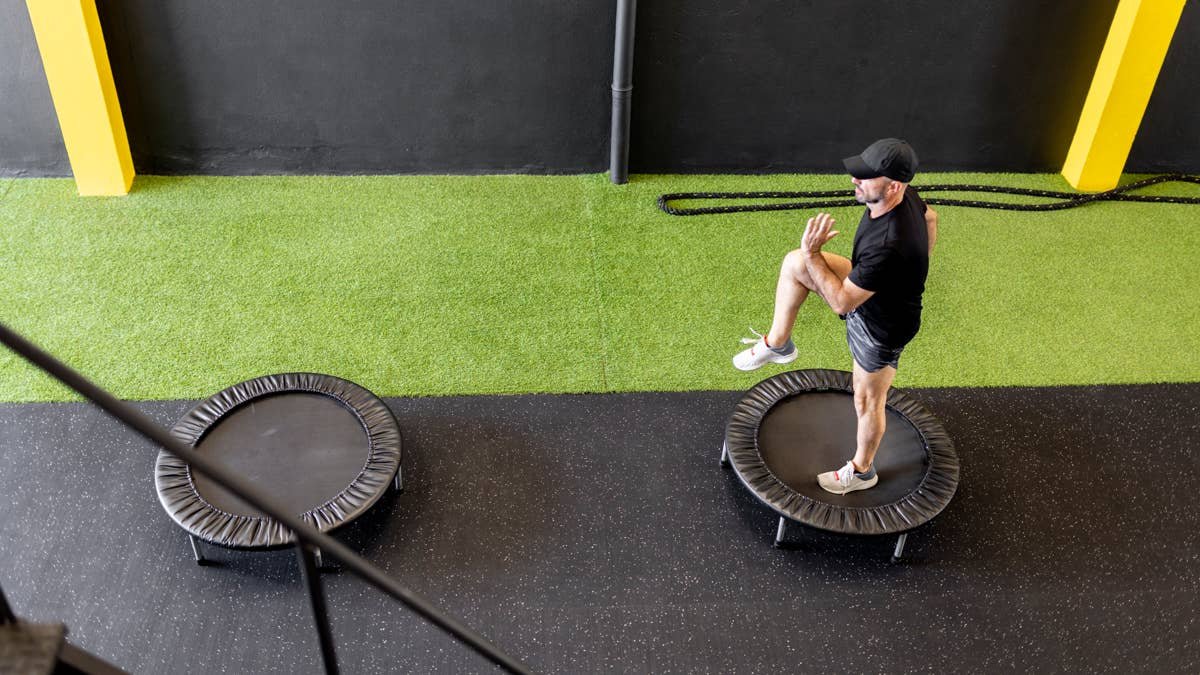
Rebounding is rapidly gaining traction as a joint-friendly cardio workout that effectively burns calories without stressing the body. This innovative exercise, championed by celebrity trainers, marks a distinctive shift from traditional high-impact cardio routines like the Stairmaster. Rebounding matters because it offers a low-impact alternative, emphasizing joint safety while maximizing calorie burn in less time.
Rebounding Joint Friendly Cardio: A New Exercise Paradigm
As fitness enthusiasts seek safer workout options, rebounding has emerged as a leading joint-friendly cardio exercise. Enthusiasts enjoy bouncing on a mini-trampoline—also known as a rebounder—thanks to its ability to enhance cardiovascular health without taxing joints. Celebrity trainers advocate this method for its efficiency and effectiveness, noting how it transforms exercise routines for those with joint concerns.
Why Rebounding Works for Joint-Friendly Cardio
Rebounding exercises capitalize on the trampoline’s elastic surface, which absorbs impact and reduces the strain on knees and other joints. This dynamic not only safeguards against common injuries but also facilitates greater calorie expenditure within a shorter timeframe, making rebounding a superior choice for joint-friendly cardio. Additionally, this workout enhances core strength and balance, infusing fun into fitness routines.
How Rebounding Burns More Calories Efficiently
Rebounding’s capability to burn calories efficiently lies in its full-body engagement. Every bounce requires coordinated muscle activity, ensuring a comprehensive cardio workout. Moreover, the increased heart rate sustained during rebounding sessions results in higher caloric burn compared to conventional cardio exercises. As a result, individuals can achieve their fitness goals without prolonged sessions typically associated with other cardio equipment. Incorporating transition movements, such as jumping jacks or variations in bounce intensity, further amplifies the benefits. These adjustments enable users to tailor workouts to their fitness levels while maintaining the joint-friendly essence of rebounding.
Practical Tips for Starting a Rebounding Routine
For those considering rebounding, starting with basic bounces and gradually introducing complexity is advisable. Proper posture and technique are crucial—keep the core engaged, maintain balance, and focus on controlled movements. Consulting a professional trainer or following guided sessions can significantly enhance your rebounding experience. In addition, incorporating rebounding into existing workout regimens can provide variety and reduce the risk of overuse injuries.
In summary, rebounding offers an efficient and joint-friendly cardio solution, repositioning the concept of high-intensity workouts into a low-impact framework. By prioritizing rebounder exercises, fitness enthusiasts can achieve optimal health outcomes without sacrificing joint integrity.
Key Takeaways
- Rebounding provides a joint-friendly alternative to high-impact cardio exercises.
- It efficiently burns calories by engaging multiple muscle groups simultaneously.
- Starting with basic techniques and gradually increasing complexity ensures safety and effectiveness.
Medical Disclaimer
This article is for informational purposes only and should not replace professional medical advice.
