

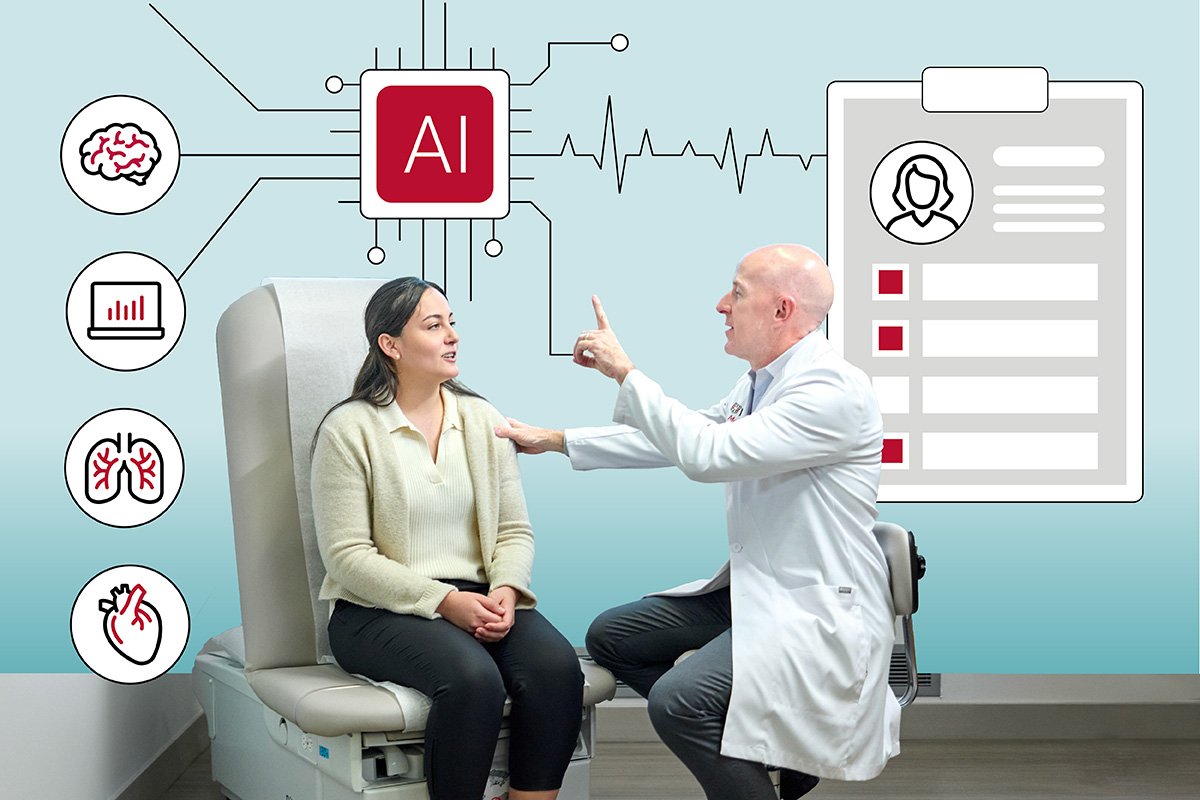
WashU Medicine and BJC physicians have embraced a transformative AI transcriber for physicians that effectively reduces their paperwork, enabling enhanced patient interactions. By automating documentation, this cutting-edge technology addresses a significant administrative burden, thereby allowing doctors to focus more on patient care and less on note-taking. This development comes at a crucial time when healthcare professionals are under pressure to optimize both care and efficiency in healthcare delivery.
How the AI Transcriber Enhances Physician Efficiency
The AI transcriber for physicians streamlines workflow by converting spoken words into accurate, structured digital records. Doctors at WashU Medicine and BJC now spend significantly less time on mundane paperwork. As a result, they can dedicate more time to listening to and engaging with their patients. The transcriber employs advanced algorithms to ensure accuracy in capturing medical notes, thus reducing the likelihood of errors that often occur in manual documentation.
The Role of AI in Modern Healthcare
Integrating AI technologies like transcribers into healthcare settings demonstrates a broader shift toward more technologically driven medical practices. Healthcare facilities are increasingly recognizing the benefits of AI in improving operational efficiencies and patient outcomes. Therefore, these institutions are investing in AI platforms that promise to revolutionize how medical professionals manage their workload while maintaining high standards of care.
Impact on Patient Care and Physician Satisfaction
This AI transcriber for physicians also significantly boosts patient interaction by freeing up valuable time for doctors. With more available time, physicians can offer more personalized care, addressing patient concerns comprehensively. Consequently, this increase in meaningful patient engagement can lead to higher patient satisfaction and better health outcomes. Moreover, physicians experience reduced burnout as their administrative workload decreases, contributing to greater job satisfaction.
AI in healthcare not only aids in operational efficiency but also enhances the quality of human interactions within medical settings. Moving forward, the implications of such technology could see a wider adoption across various medical institutions, shaping the future of healthcare delivery. As more data become available, emerging research will likely shed light on the long-term impacts of AI on health services.
Key Takeaways
- AI transcribers streamline medical documentation, enhancing efficiency.
- Improved documentation allows physicians more time for patient-centered care.
- AI integration in healthcare may significantly reduce physician burnout.
Medical Disclaimer
This article provides information for educational purposes only and does not constitute professional medical advice.
