

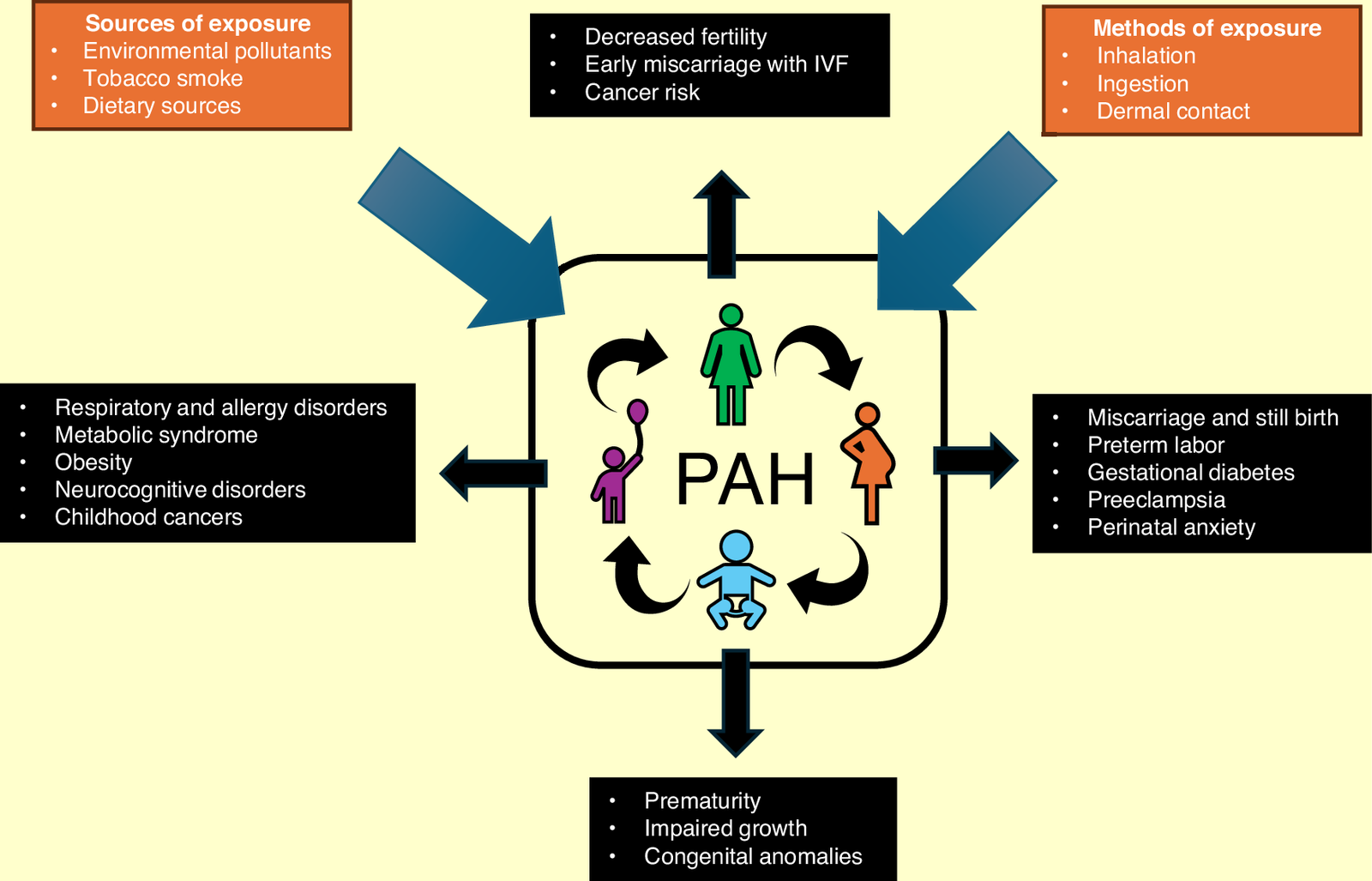
Research into the impact of polycyclic aromatic hydrocarbons on newborns is shedding light on significant health concerns. Polycyclic aromatic hydrocarbons (PAHs) represent a group of complex organic compounds, which emerge as by-products of fuel burning and are prevalent in our environment. Scientists have started to explore their potential effect on perinatal outcomes, thus raising relevant questions about maternal and newborn health.
Understanding the Polycyclic Aromatic Hydrocarbons Impact
This examination of PAHs is crucial due to their widespread presence in urban environments, stemming from vehicle emissions, industrial processes, and residential heating. Their ability to persist in the environment poses a continuous risk of exposure, particularly affecting pregnant women and consequently, their newborns. Previous studies have linked PAH exposure with detrimental health effects; however, specific impacts related to perinatal outcomes required further detailed review.
Potential Perinatal Health Concerns Arising from PAHs
Research has continually noted the association between PAH exposure and several adverse perinatal outcomes, such as low birth weight, preterm birth, and developmental delays in infants. For instance, findings published in authoritative medical journals consistently indicate a correlation between elevated PAH levels and compromised fetal growth. Furthermore, studies suggest that babies born to mothers with significant PAH exposures might suffer from impaired developmental milestones.
Complex Mechanisms Behind PAH-Related Risks
Understanding the underlying mechanisms of how PAHs affect newborns remains a focal point for researchers. One hypothesis is that PAHs can cross the placental barrier, directly impacting fetal development. Furthermore, the oxidative stress induced by PAHs may disrupt normal cellular function, thereby contributing to the observed adverse outcomes. Consequently, ongoing research aims to unravel these complexities to inform public health strategies better.
The Role of Environmental and Genetic Factors
While PAHs undeniably pose a risk, factors such as environmental exposures and genetic predispositions may modulate the extent of observed effects. For example, pregnant women residing in heavily industrialized areas might encounter higher levels of PAHs, compounding the risk. Additionally, genetic components may influence susceptibility, rendering some mothers and their infants more vulnerable to the harmful impacts of PAHs.
Mitigation and Policy Implications
Addressing PAH exposure necessitates a multifaceted approach, involving reducing emissions and enhancing urban air quality controls. Policymakers can play a pivotal role by implementing stricter regulations on industrial pollutants and encouraging cleaner fuel technologies. Meanwhile, public health initiatives aimed at educating communities about the risks of PAHs during pregnancy could mitigate exposure and safeguard maternal and infant health effectively. The role of technological innovation in healthcare and its impact is also noteworthy in developing strategies to manage and reduce such exposures.
As our understanding of polycyclic aromatic hydrocarbons continues to evolve, it becomes evident that collective efforts are essential in minimizing these compounds’ impacts on newborn health. Collaborative research, policy adaptation, and community awareness form the cornerstone of tackling this challenge effectively.
Key Takeaways
- Polycyclic aromatic hydrocarbons pose potential risks to perinatal health, including low birth weight and developmental delays.
- The mechanisms of PAH-related adverse outcomes are complex, involving environmental and genetic factors.
- Active mitigation strategies and policy interventions are vital to reducing PAH exposure.
Medical Disclaimer
This article is for informational purposes only and not intended as medical advice.
