

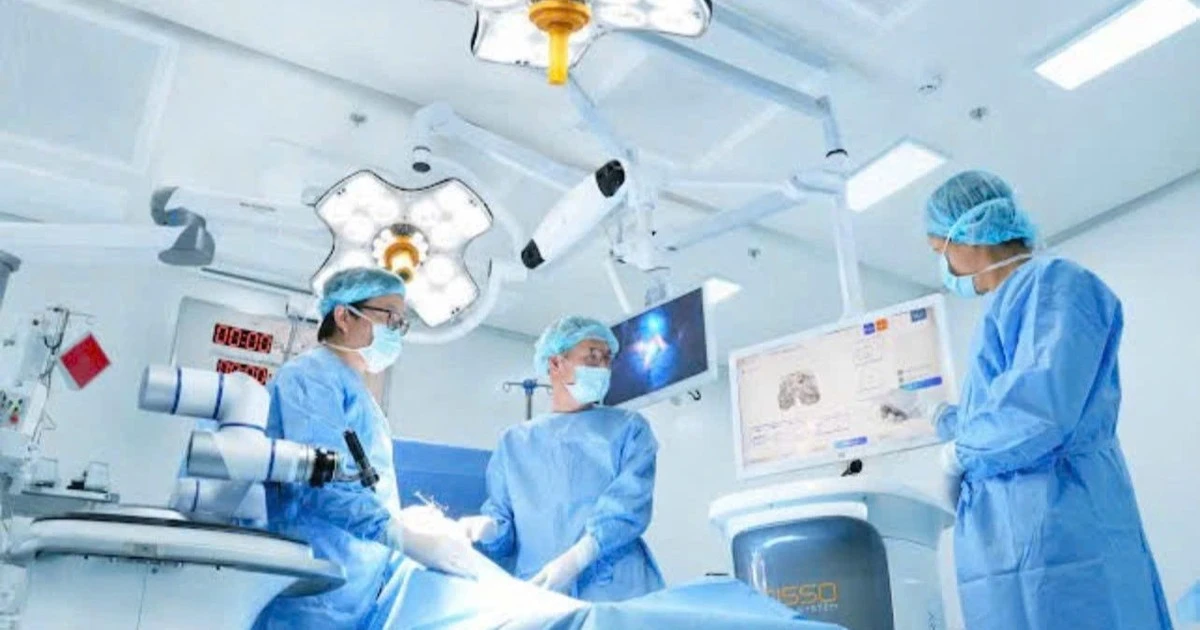
Robotic surgery in Viet Nam is rapidly redefining the landscape of medical care. As technological advancements progress, Viet Nam is witnessing a significant transformation with robotic systems enhancing surgical precision and efficiency. This leap forward not only illustrates the potential of technology but underscores its critical role when serving the actual needs of patients.
Robotic Surgery in Viet Nam
The introduction of robotic surgery in Viet Nam marks a pivotal movement in the nation’s healthcare system. Over the past few years, surgeons have increasingly integrated these advanced technologies with their skills, resulting in more precise and less invasive procedures. In particular, the focus has been on improving patient outcomes while simultaneously reducing recovery times. This emphasis on technological integration resonates with movements in healthcare seen in AI-driven transformations.
Benefits of Robotic Surgery
Robotic surgery offers numerous benefits over traditional methods. Firstly, it provides enhanced visualization through high-definition cameras, which enables surgeons to perform complex procedures with greater accuracy. This technological advantage results in smaller incisions, which consequently leads to faster recovery times and less postoperative pain. Moreover, robotic systems reduce the risk of complications, a significant boon for patient care.
Challenges in Implementation
Despite the overwhelming benefits, integrating robotic surgery into Viet Nam’s healthcare system presents challenges. Notably, the high initial costs of equipment and necessary training for surgeons require substantial investment. Furthermore, healthcare facilities must adapt to house and maintain these intricate systems. However, with growing demand and evidence supporting improved patient outcomes, these challenges present opportunities for development rather than insurmountable barriers.
The Future of Robotic Surgery in Viet Nam
Robotic surgery’s trajectory in Viet Nam is promising. With technological innovations accelerating, the horizon for robotic integration in medical care is expanding. For instance, continued efforts in training new and existing medical personnel will facilitate more widespread surgical applications. Additionally, as technology becomes more accessible, a larger segment of the population will benefit, thereby elevating the standard of care across the country.
In conclusion, robotic surgery is revolutionizing how surgical care is delivered in Viet Nam. As technology continues to evolve and healthcare professionals gain proficiency with these systems, the potential for improved patient outcomes is vast. This transformation symbolizes a step toward a more advanced and effective healthcare system, one that prioritizes the needs of its patients above all.
Key Takeaways
- Robotic surgery is enhancing surgical precision and reducing recovery times in Viet Nam.
- Challenges like high costs and the need for surgeon training must be addressed.
- The future of robotic surgery in Viet Nam holds promising developments in accessibility and patient care improvements.
Medical Disclaimer
The information presented is for educational purposes and should not replace professional medical advice.
