

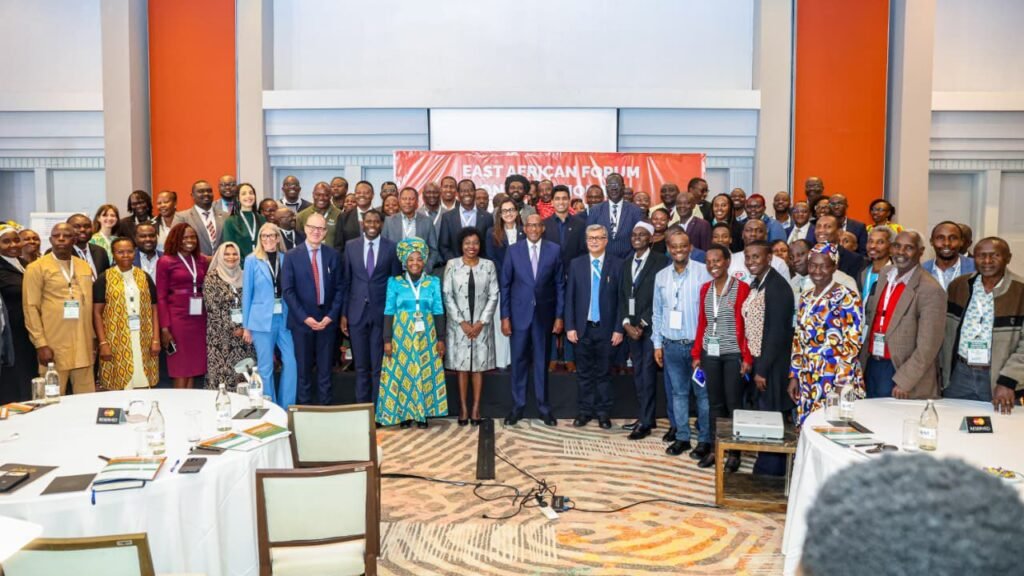
In the vibrant pursuit of Africa’s surgical care localization, stakeholders reflect on the progress achieved over the past year. This initiative, emphasizing locally led systems, has captured international attention due to its potential for sustainable healthcare solutions. As surgical leaders convened a year ago, the objective was clear: to improve surgical equity across the continent. The strides made since then signify a pivotal moment in Africa’s healthcare evolution.
Africa Surgical Care Localization: A Year of Progress
The past year has seen significant advancements in the localization of surgical care within Africa. Collaboration across borders has emerged as a vital component in this journey. Such cross-national efforts have been instrumental in fostering knowledge exchange and resource sharing, which are critical for overcoming the disparities in surgical access. Notably, countries like Rwanda and Ghana have spearheaded initiatives to enhance surgical training programs.
Workforce Expansion as a Catalyst
Expanding the surgical workforce has been central to the initiative’s success. Local governments and international partners have prioritized training more specialists to meet the health needs of their growing populations. Consequently, several African nations have increased medical school capacities, emphasizing surgical training. This strategic development aims to address the historical shortage of skilled surgical professionals, enhancing the delivery of care across diverse regions.
The Role of Cross-Border Collaboration
Effective collaboration among African nations and international bodies has accelerated the localization efforts. For example, partnerships with organizations such as the African Union have enabled a robust framework for policy implementation. These partnerships facilitate the sharing of technological innovations and best practices, ensuring that even remote areas benefit from improved surgical services. As a result, there is a noticeable uptick in localized surgical initiatives.
Sustaining Locally Led Systems
Sustaining these locally driven systems presents both challenges and opportunities. One significant hurdle is securing consistent funding, which is crucial for long-term success. However, local ownership and governance provide a framework for tailoring solutions to cultural and regional needs, bolstering the effectiveness of surgical care. Additionally, increased investment in health infrastructure aligns with broader development goals, creating a positive ripple effect through healthcare systems. Initiatives like the UAE medicine monopoly reform demonstrate the importance of healthcare infrastructure in improving access and equity.
The localization of surgical care in Africa marks a transformative shift in addressing healthcare inequalities. By fostering cross-border collaboration, bolstering the surgical workforce, and promoting sustainable systems, African nations are poised to set a global example. As stakeholders continue working towards these goals, the future of surgical care on the continent looks promising.
Key Takeaways
- Cross-border collaboration is enhancing surgical care across Africa.
- Expanding the surgical workforce addresses critical skill gaps.
- Sustaining locally led systems remains essential for long-term success.
Medical Disclaimer
This content is for informational purposes only and should not be considered medical advice.
