

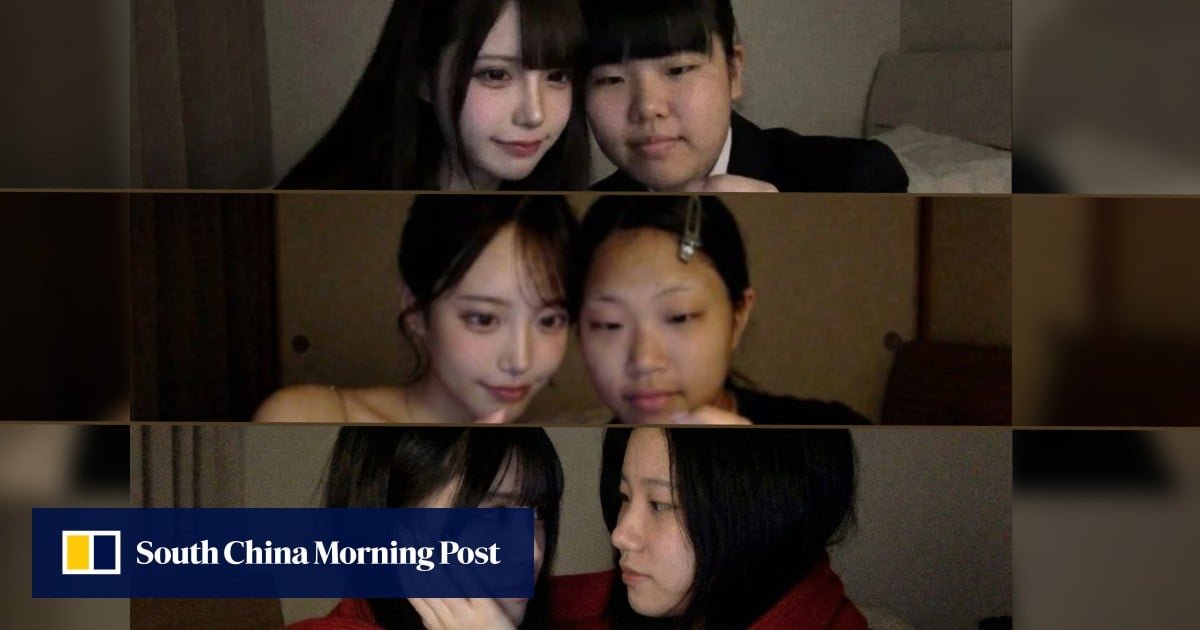
AI cosmetic surgery trends are sparking new youth concerns in Japan, as the proliferation of AI-generated before-and-after images raises alarms about the implications for young people’s perceptions of beauty. This phenomenon matters because it could influence impressionable minds, promoting potentially risky cosmetic procedures. The growing prevalence of such images online is leading to heightened anxiety among experts and parents alike about the idealized and often unrealistic beauty standards these images perpetuate.
The Rise of AI Cosmetic Surgery Trends
AI technology continues to transform numerous sectors, with cosmetic surgery being no exception. It’s not just the technological aspect of cosmetic surgery that attracts attention; the societal implications are considerable. With AI-generated before-and-after images, young individuals may feel pressured to mimic these idealized appearances, contributing to a cycle of imitation that could prove harmful to their self-esteem and mental health. Such developments prompt us to ask, why has this trend gained traction, and what are the real-world consequences?
Why AI Cosmetic Surgery Trends Appeal to Youth
Firstly, the appeal lies in instant gratification. Young people increasingly desire quick solutions to enhance their appearance. This desire is fueled by AI’s ability to simulate potential surgical outcomes swiftly, making the dream of transformation seem easily attainable. Furthermore, the visual culture propagated by social media platforms exacerbates the fixation on physical appearance, where AI tools seamlessly integrate.
Impacts on Youth Perceptions and Behavior
As a result of AI cosmetic surgery trends, young people may develop distorted views of what defines beauty. These perpetuated ideals are often unattainable, yet they create a compelling narrative that appearance can and should be perfected. Consequently, there is an uptick in interest among youths to pursue surgical alterations, igniting concern about societal pressures leading to increased vulnerability to psychological issues.
- Media influence: Social media and digital platforms spotlight AI-enhanced images, increasing exposure to unrealistic beauty standards.
- Peer pressure: Trends can create a competitive environment where young individuals feel compelled to meet perceived norms of beauty.
- Health risks: Pursuing cosmetic surgery based on AI simulations may lead to disappointing outcomes, given the reality of surgical limitations.
Navigating the Ethical Landscape
The ethical implications of AI cosmetic surgery trends cannot be overstated. There is an urgent need for guidelines to regulate the use and distribution of AI-generated images. These guidelines would help prevent minors from being unduly influenced by such content. Parents, educators, and policymakers must collaboratively strive to educate youth about digital literacy and foster resilience against unrealistic expectations.
Ultimately, as AI continues to evolve, its impacts on various facets of life will remain profound. Monitoring these developments is crucial to minimizing potential hazards and promoting safe, inclusive digital environments.
Key Takeaways
- AI cosmetic surgery trends may influence youth to pursue risky procedures.
- Social media amplifies exposure to idealized, yet unrealistic, beauty standards.
- Promoting digital literacy and ethical regulation can mitigate negative impacts.
Medical Disclaimer
This article is intended for informational purposes only.
