

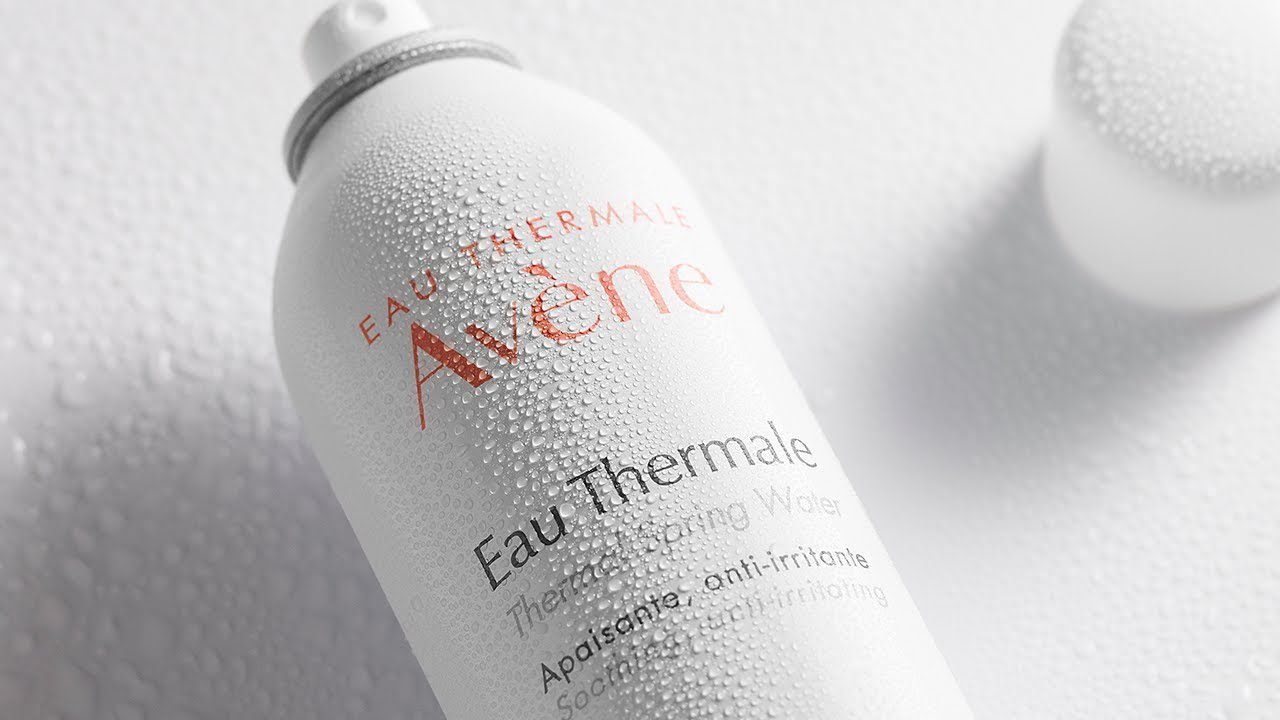
Eau Thermale Avène is pioneering a revolutionary AI-driven acne treatment that could transform skincare solutions. By incorporating artificial intelligence into their clinical trials, the famous skincare brand aims to enhance the efficacy of acne treatments and offer personalized skincare solutions. This development marks a significant step in dermatological research and consumer health as AI continues to impact various sectors, including beauty and wellness.
AI-Driven Acne Treatment with Avène
The introduction of AI into Avène’s clinical studies represents a paradigm shift in acne treatment research. Leveraging advanced machine learning algorithms, the study seeks to analyze complex datasets to identify patterns and predict treatment outcomes. As a result, researchers hope to provide more accurate diagnosis and tailored therapeutic regimens. This innovative use of technology highlights how artificial intelligence can efficiently process enormous volumes of data, offering insights beyond traditional research methods. This aligns with broader trends in the industry, as seen in developments in AI clinical trials market growth.
Enhancing Treatment Efficacy
By implementing an AI-driven approach, Avène’s research focuses on optimizing the effectiveness of their acne treatment products. The AI model can adapt and learn from numerous skin types, offering real-time feedback that assists researchers in refining formulas. Consequently, this methodology promises to shorten the time between identifying skin issues and deploying appropriate remedies, benefiting both consumers and healthcare professionals.
Tailoring Skincare Solutions
The AI-driven acne treatment study also emphasizes personalized skincare solutions. AI’s ability to assess individual skin conditions comprehensively allows Avène to deliver customized treatments. Notably, the machine learning system can recommend specific products based on skin type, severity of acne, and reaction to past treatments. As a result, consumers receive therapies that are precise, reducing trial and error and improving satisfaction rates.
Furthermore, this approach ensures that individuals experience fewer side effects and enhanced results, as treatments are specifically designed around their unique skin profiles. By focusing on personalization, Avène seeks to elevate the standard of skincare, contributing positively to the lives of countless individuals struggling with acne. This is akin to the transformations discussed in AI clinical dermo-cosmetics breakthroughs.
Implications for Future Research
The findings from Avène’s AI-driven clinical study may set a new benchmark in dermatological research. Future studies could expand on this technology to include other skin conditions, potentially revolutionizing dermatology. Moreover, this advancement supports the trend of integrating AI into healthcare, promoting efficiency and innovation. As a result, this pioneering effort by Avène might inspire further research and development across the beauty and medical industries.
Key Takeaways
- Avène uses AI to enhance acne treatment efficacy by analyzing complex data sets.
- AI enables personalized skincare solutions, improving treatment effectiveness and reducing side effects.
- This study sets a precedent for future AI integration in dermatological research.
Medical Disclaimer
The content provided is for informational purposes only and does not substitute professional medical advice.
