

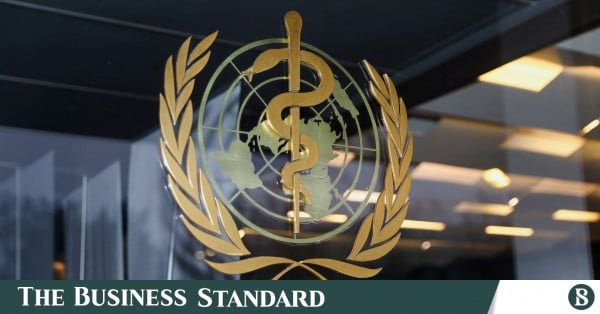
Argentina has officially severed its ties with the World Health Organization (WHO), citing demands for greater health policy sovereignty. This decisive move, executed by President Javier Milei’s administration, marks a significant departure from international health cooperation, according to the government’s official notification issued a year ago. The decision underscores Argentina’s commitment to asserting its autonomy in addressing health issues, reflecting growing sovereignty-centric policies under Milei’s leadership.
As a consequence, Argentina’s withdrawal from WHO reshapes its global health diplomacy strategy. Notably, this development echoes growing tensions between national commitments and international health mandates. Furthermore, the decision is pivotal for Argentina as it navigates the challenges of managing its health policy independently. This change in direction places the country among a rare cadre of nations prioritizing domestic health management over global collaboration.
Argentina’s Drive for Health Policy Sovereignty
The push for health policy sovereignty highlights Argentina’s ambition to independently navigate its public health challenges. President Milei’s administration emphasized the need for policies that align more closely with national interests. Consequently, strategic priorities will focus on internally devised solutions, tailored to the specific health needs of its populace. This aligns with the administration’s broader shift toward greater national control over core policy areas.
Impact on International Health Contributions
The withdrawal from the WHO also affects Argentina’s role in international health development. Under Milei’s leadership, the country seeks to redefine its contributions, focusing instead on bilateral or regional health initiatives. Consequently, Argentina may engage more actively in South American health forums, supporting collaborative efforts that resonate with its domestic priorities. This realignment could shift regional dynamics, especially between countries with differing views on global health integration.
Challenges and Opportunities in Health Policy Sovereignty
Argentina’s determination to pursue health policy sovereignty introduces several challenges and opportunities. The country must address potential gaps in research, expertise, and resources that WHO membership typically provides. However, this also presents an opportunity to innovate and strengthen national health systems without external constraints. Thus, the administration’s strategic direction must effectively balance these elements to ensure continued health progress.
Looking ahead, stakeholders, including government officials and health policy experts, will need to monitor how this decision impacts Argentina’s long-term health outcomes. Community health initiatives and emergency response capabilities, in particular, warrant careful observation as Argentina continues its path independent of WHO protocols.
Key Takeaways
- Argentina’s exit from WHO underscores a drive for health policy autonomy.
- This move may reshape its international and regional health engagements.
- Continued monitoring is crucial to assess impacts on public health frameworks.
Medical Disclaimer
This content is for informational purposes only and does not replace professional medical advice.
