

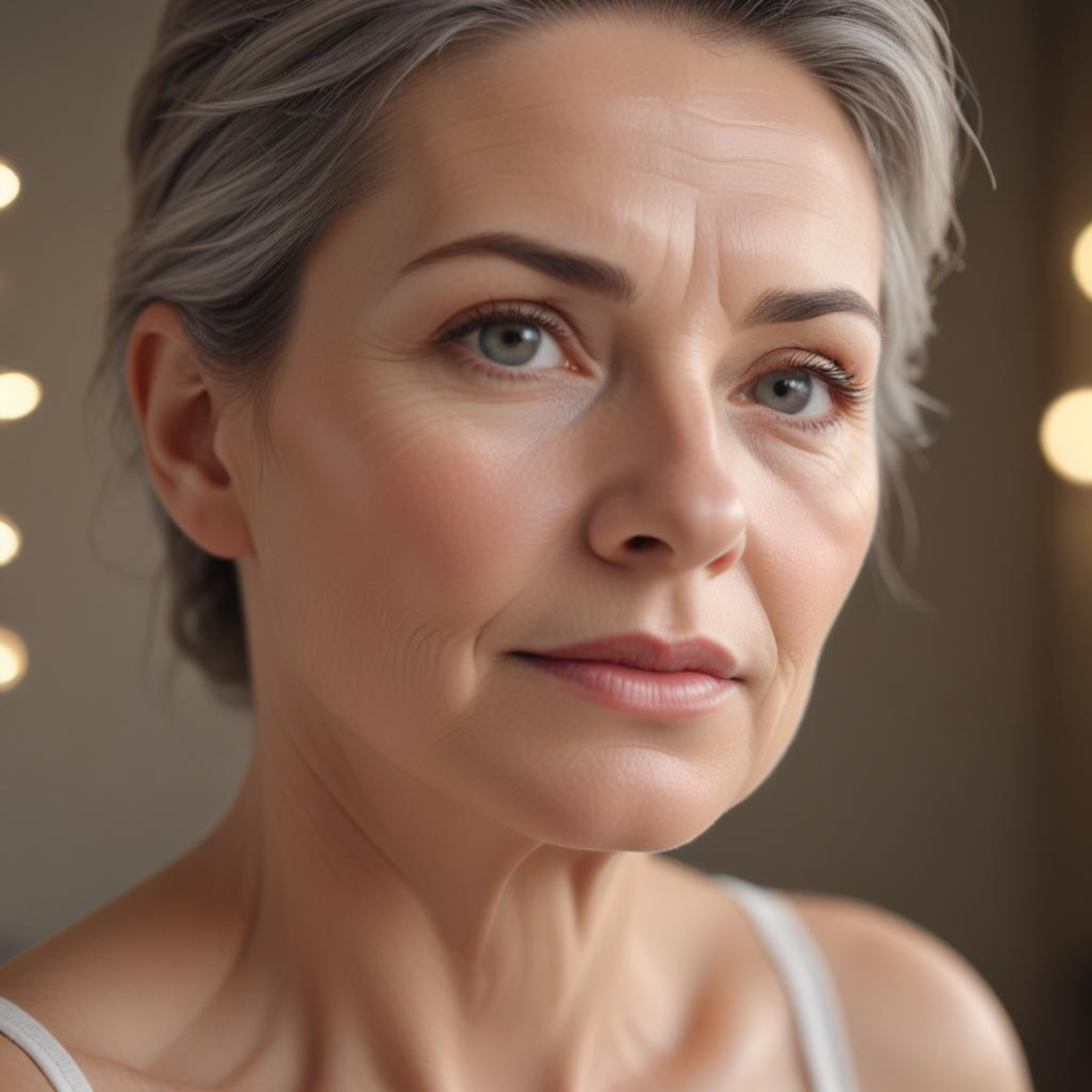
The benefits of long-term retinoid usage for aging skin are well supported by dermatology research and real-world results. Retinoids, derived from vitamin A, remain one of the most effective treatments for reducing visible signs of aging. Regular use over time can improve skin texture, minimize fine lines, and promote a more even skin tone. Though results won’t appear overnight, consistent and informed use can contribute to healthier, more resilient skin in the long run.
Why Consider the Benefits of Long-Term Retinoid Usage for Aging Skin?
As we age, our skin begins to produce less collagen. This essential protein maintains firmness and elasticity. Sun exposure, environmental stress, and natural aging all accelerate this breakdown. Retinoids work by increasing cell turnover and stimulating collagen production. Over time, this process can help smooth out fine lines and even reduce signs of sun damage. For a more in-depth understanding, explore the long-term benefits of retinoid usage for aging skin supported by decades of dermatological research.
Choosing to use retinoids long-term is not just about cosmetic improvement. It also supports overall skin health. By promoting a more efficient skin regeneration cycle, retinoids can help your skin remain more functional and resilient against outside stressors.
Key Benefits of Long-Term Retinoid Usage for Aging Skin
- Smoother Texture: Retinoids encourage the shedding of old, dull skin cells. This reveals newer, softer skin beneath.
- Fewer Fine Lines: With ongoing use, collagen stimulation may soften the appearance of wrinkles and fine lines.
- Improved Tone: Long-term use can fade age spots and sun-related pigmentation, giving your skin a more even look.
- Smaller Pores: By preventing buildup, retinoids may reduce the appearance of enlarged pores.
It’s important to remember that these benefits develop gradually. You may start seeing subtle improvements after a few weeks. However, the most significant changes typically appear after 3 to 6 months of regular use.
How to Use Retinoids Safely Over Time
While retinoids offer clear advantages, they do require thoughtful use. Early on, your skin might react with dryness, redness, or peeling. These side effects often fade as your skin builds tolerance. Here are a few strategies to help you use retinoids with minimal discomfort:
- Start Slowly: Apply a pea-sized amount two or three times per week to begin. You can increase frequency over weeks.
- Moisturize Well: Use a mild, non-comedogenic moisturizer to help offset any dryness or irritation.
- Use Sunscreen Daily: Retinoids increase sun sensitivity. Always apply SPF 30 or higher in the morning.
- Avoid Harsh Products: Don’t mix retinoids with exfoliating acids or scrubs, especially early on.
If you’re pregnant or breastfeeding, avoid retinoids, as certain forms (especially oral ones) are not safe. It’s also wise to consult with a dermatologist before starting any new retinoid, especially if you have sensitive skin or a history of skin conditions.
What to Expect with Continued Use
With time, many people find their skin becomes brighter and more consistent in tone. Fine lines may soften, and overall smoothness may greatly improve. However, retinoids are not a cure-all. They are most effective when combined with a healthy skincare routine, consistent sun protection, and balanced lifestyle habits like hydration and a nutrient-rich diet.
Most users report noticeable improvements after several months of regular use. Some continue using retinoids for years, often under a dermatologist’s guidance. As long as your skin tolerates the product well, long-term use remains a safe and effective option for many.
Putting It All Together
In summary, the benefits of long-term retinoid usage for aging skin include smoother texture, fewer fine lines, and a more radiant complexion. While initial side effects may occur, they often resolve with consistent and careful use. By understanding how retinoids work and how to implement them properly, you can make them a powerful part of your long-term skincare strategy.
Always remember that good skincare is about consistency, patience, and making choices tailored to your skin’s unique needs. If in doubt, check in with a board-certified dermatologist for guidance on how to get started and adjust your routine over time.
