

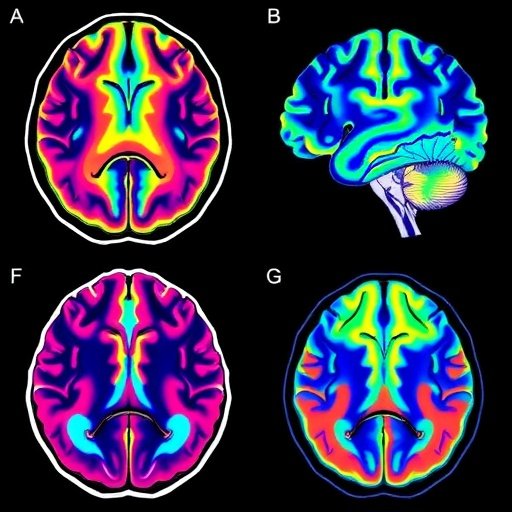
Recent research underscores a potential connection between choline levels in the brain and anxiety, emphasizing the significant role this nutrient might play in mental health. Choline, a crucial component in brain function, could influence anxiety when levels fluctuate. Understanding these dynamics may lead to dietary adjustments that enhance mental well-being.
The Relationship Between Choline and Anxiety
Research on choline’s impact on anxiety is sparking new conversations in the field of mental health. Choline, a nutrient found in foods like eggs, liver, and soybeans, contributes to brain health by supporting neurotransmitter function. Recently, studies indicate that variations in choline levels might correlate with anxiety symptoms, suggesting a physiological link worth exploring further.
Understanding Choline’s Role in Brain Function
Choline plays an essential role in the synthesis of acetylcholine, a neurotransmitter crucial for mood regulation and cognitive functions. Its presence in the brain is instrumental in maintaining the balance of mental states. Researchers have observed that lower levels of choline are associated with heightened anxiety responses, highlighting the nutrient’s potential as a target for therapeutic strategies. This research aligns with emerging studies on biomarkers and their roles in brain function, such as the link between dopamine biomarkers and Parkinson’s disease.
Exploring Dietary Sources of Choline
Given choline’s importance, dietary intake becomes critical in managing nutrient levels. Foods such as eggs, meat, fish, and certain beans are rich sources of choline, suggesting that adjustments in diet could support mental health. Nutritionists emphasize the importance of maintaining a balanced diet that includes choline-rich foods to possibly mitigate anxiety symptoms.
Additionally, emerging evidence, although still limited, connects dietary choline intake with reduced anxiety markers in preliminary studies. Therefore, individuals experiencing anxiety might benefit from evaluating their choline consumption as part of a holistic approach to mental health.
Implications for Mental Health Strategies
This potential link between choline and anxiety highlights a broader opportunity for integrating nutritional strategies into mental health care. Mental health professionals could consider dietary evaluations as part of anxiety treatment plans, assessing and adjusting individual nutrient intake for optimal results. As the field progresses, choline’s role might expand into preventative measures or adjunct therapies for anxiety. The integration of such strategies is similar to approaches in other areas of health, such as health screening innovations in India, which focus on preventative care and holistic treatment approaches.
Key Takeaways
- Choline plays a crucial role in neurotransmitter function related to mood regulation.
- Diet plays a significant part in maintaining adequate choline levels for mental health.
- Research is still emerging, and individuals should consult health professionals before dietary changes.
Medical Disclaimer
This article is for informational purposes only and does not constitute medical advice.
