

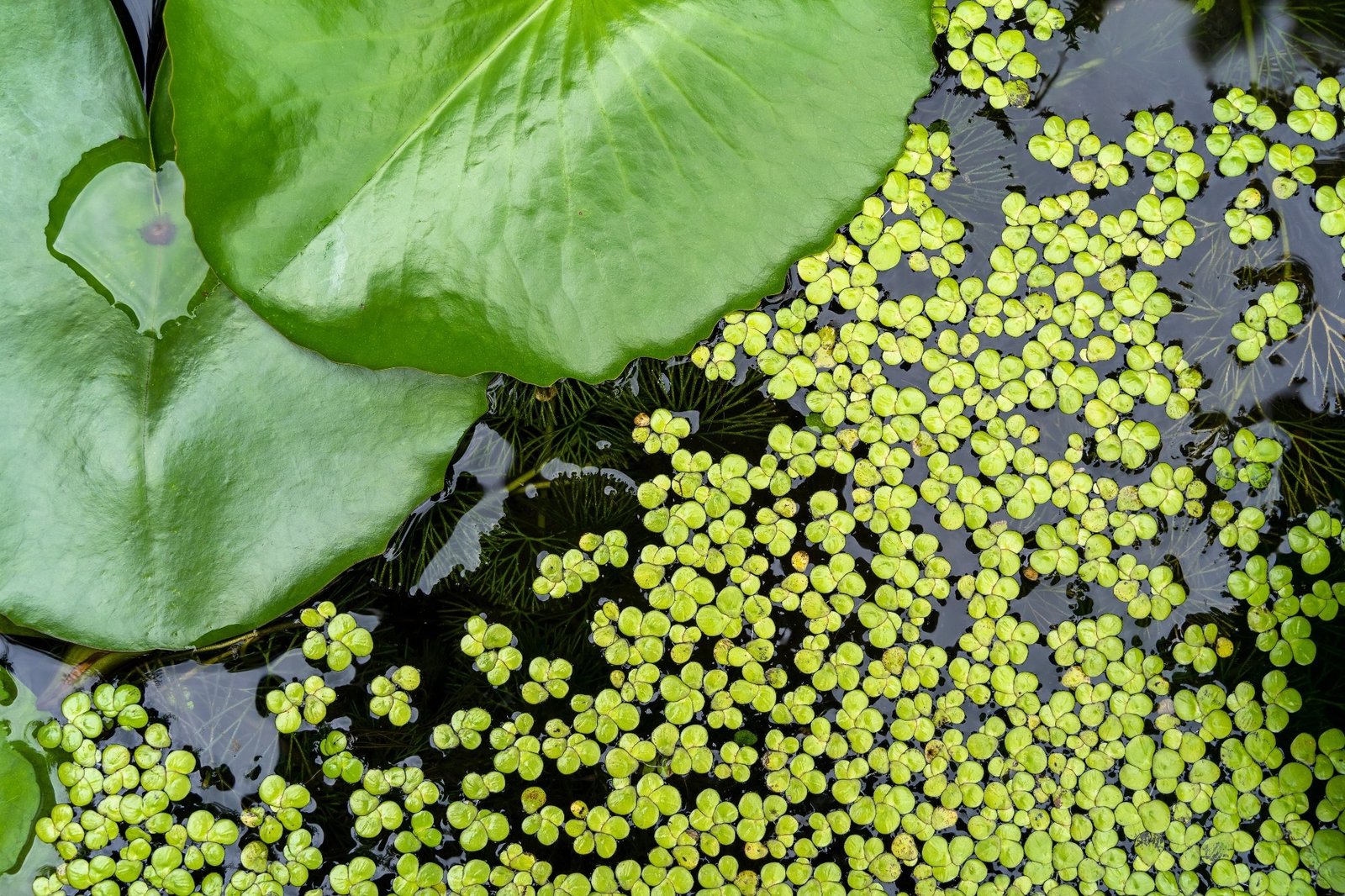
As global interest grows in sustainable food sources, duckweed plant protein benefits offer a promising solution to meet protein needs while minimizing environmental impact. This small aquatic plant, often dismissed as pond scum, is now gaining recognition as a potential superfood thanks to its nutritional profile and eco-friendly cultivation. Exploring the biochemical characteristics and proven health benefits of duckweed reveals its potential to revolutionize the future of food.
Understanding Duckweed Plant Protein Benefits
Duckweed, a floating aquatic plant, is rich in protein, essential amino acids, and a range of nutrients that support human health. Studies highlight that this humble plant contains up to 45% protein, rivaling traditional sources like soy and meat. Additionally, the rapid growth rate of duckweed and its ability to thrive in diverse water conditions make it an exceptionally sustainable crop.
Nutritional Composition of Duckweed
Diving into the nutritional composition, duckweed provides not only a substantial protein content but also contains vital vitamins and minerals. It is an excellent source of Vitamins A and B, iron, and omega-3 fatty acids. Furthermore, as a plant-based protein, it offers a lower environmental footprint compared to animal protein, making it a preferable choice for eco-conscious consumers.
Duckweed’s Health Benefits
Duckweed’s rich protein and nutrient content contribute to its health benefits. Research indicates that this plant can aid in muscle maintenance, support metabolic health, and improve overall nutritional intake. For individuals seeking plant-based protein sources, duckweed presents a viable option that aligns with dietary goals and ethical considerations.
Is Duckweed a Sustainable Superfood?
Given its protein density and environmental advantages, the benefits of duckweed plant protein extend into sustainability. It requires less land, water, and input resources than traditional crops, potentially easing the strain on natural resources. Additionally, it can be grown on non-arable land, further enhancing its role in sustainable agriculture.
Challenges and Future Prospects
Despite its promise, duckweed cultivation faces challenges such as scaling production and refining processing methods for human consumption. However, ongoing research aims to optimize these processes, paving the way for broader adoption. As the demand for sustainable protein sources grows, duckweed’s role could expand significantly in global food systems. Initiatives like the sustainable healthcare solutions in the UAE demonstrate how integrating sustainability into various sectors can have far-reaching benefits.
Key Takeaways
- Duckweed is a nutrient-rich plant offering significant protein content and essential vitamins.
- This aquatic plant holds promise for sustainable agriculture due to its minimal resource requirements.
- Current research focuses on overcoming cultivation and processing challenges to maximize duckweed’s potential.
Medical Disclaimer
The information provided in this article is for informational purposes only and does not constitute medical advice.
