

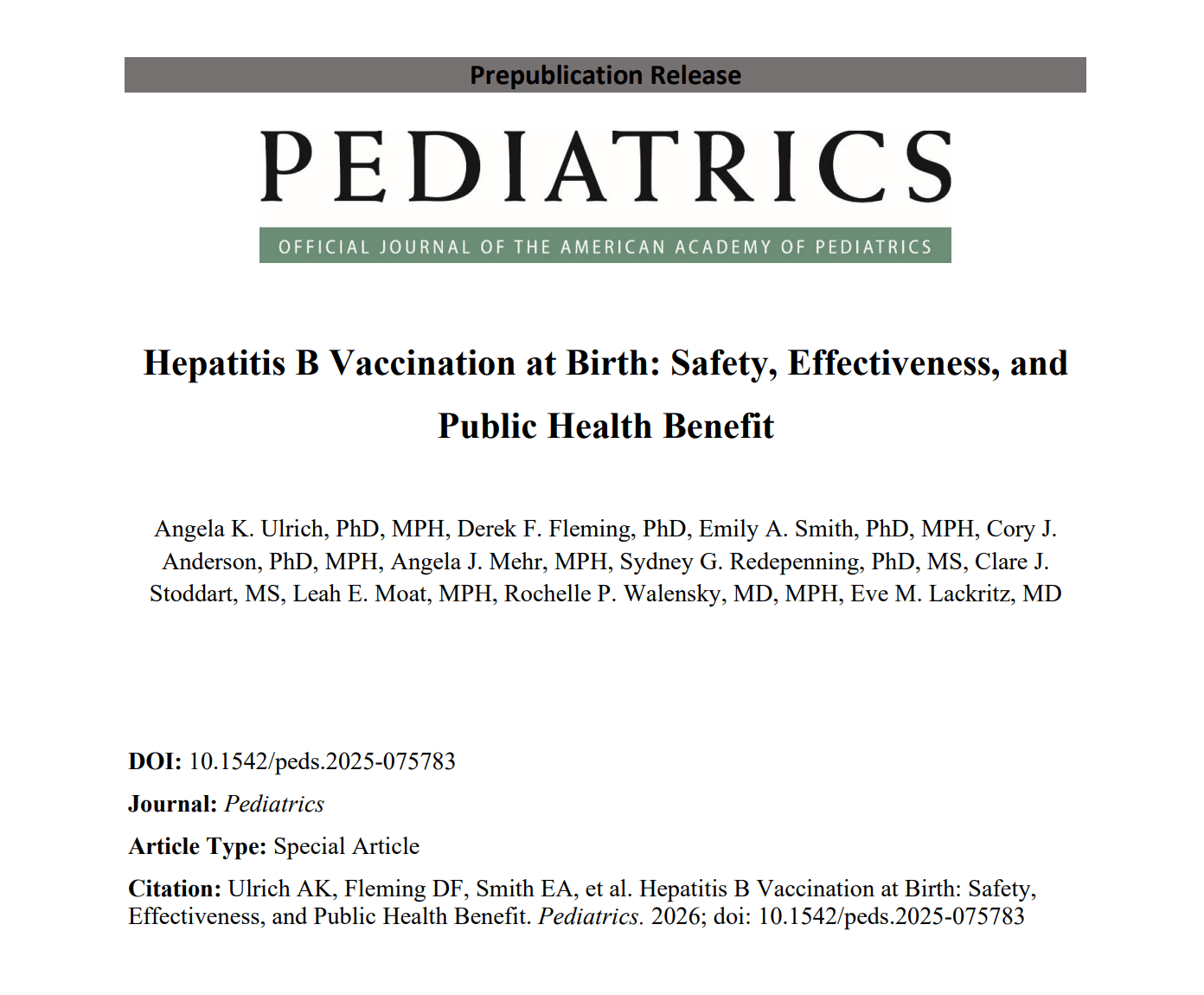
The efficacy of the hepatitis B birth dose has been a topic of ongoing research due to its long-standing role in U.S. immunization policy since 1991. Recently, a study led by CIDRAP has sparked debate by asserting strong evidence of the vaccine’s effectiveness, albeit with claims of selective data analysis. This discourse holds significant implications for public health policies, highlighting both the vaccine’s potential benefits and the complexities of drawing conclusions from scientific research.
Controversy Surrounding the Efficacy of Hepatitis B Birth Dose
Researchers have meticulously examined the birth dose of the hepatitis B vaccine, a crucial component in the prevention of viral hepatitis. Despite its introduction over three decades ago, recent analyses continue to stir debate about its efficacy. The study in question purports strong evidence supporting the vaccine’s effectiveness. However, critics argue that the research methodology, specifically the selection of data, might skew the findings.
The Role of Epistemic Asymmetry in Research
Epistemic asymmetry, a concept where knowledge gaps and biases can impact scientific outcomes, plays a critical role in the interpretation of this study. According to the study’s detractors, the reliance on selective evidence might lead to conclusions that do not robustly represent reality. As a result, understanding the full scope of existing research is essential to making informed policy decisions.
Implications for Public Health Policy
The discussion around the efficacy of the hepatitis B birth dose vaccine underscores the importance of scrutinizing public health policies. Advocates highlight the vaccine’s role in early protection against hepatitis B, a disease that can lead to serious liver conditions. Meanwhile, opposing voices call for a more comprehensive review of available data to ensure policies reflect the best possible understanding of the vaccine’s impact. Therefore, ongoing studies and debates are crucial for informed decision-making in public health.
Evaluating Evidence: A Balanced Approach
Critics of the CIDRAP study emphasize the necessity of evaluating a broad array of research before drawing definitive conclusions. While the study claims strong protective results, the reliance on certain data sets over others could paint an incomplete picture. Consequently, stakeholders should consider multiple sources of evidence to accurately assess the vaccine’s effectiveness.
The ongoing dialogue regarding the hepatitis B birth dose vaccine remains a pivotal area of public health research. Its implications extend beyond individual immunity, potentially influencing global health strategies and policies. This underscores the importance of continued investigation and open debate.
Key Takeaways
- The role of the hepatitis B birth dose in U.S. immunization policy is under scrutiny due to recent study claims.
- Critics highlight potential biases in data selection, impacting the perceived efficacy of the vaccine.
- Close evaluation of a broader range of research is essential for informed public health policies.
Medical Disclaimer
This article is for informational purposes only and does not constitute medical advice.
