

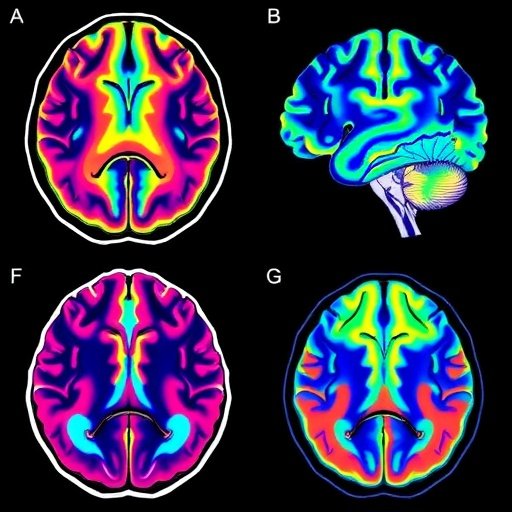
In a groundbreaking study, researchers have uncovered how fetal brain growth patterns can predict neurodevelopmental outcomes by age two. This pioneering research offers a vital link between fetal neuroimaging data and subsequent childhood development, shedding light on the brain’s early growth trajectories. Such insights are crucial as they can inform early interventions and support strategies for developmental challenges.
Understanding Fetal Brain Growth Patterns
The study presents a detailed examination of fetal brain regions and their normative growth trajectories. By employing advanced neuroimaging techniques, researchers can observe these patterns during pregnancy, thus offering a glimpse into the brain’s future development. The ability to map these growth patterns represents a significant advancement in understanding neurodevelopmental processes. For example, this approach is mirrored in the UAE’s efforts to use sustainable healthcare solutions that align environmental and medical advancements.
The Role of Neuroimaging in Predicting Development
Neuroimaging plays an integral role in this research. It allows scientists to capture detailed images of the fetal brain, highlighting areas of growth and potential concern. As a result, researchers predict neurodevelopmental outcomes with greater accuracy, enabling timely interventions tailored to individual needs. This method also provides a non-invasive way to monitor fetal health, ensuring the safety and comfort of both mother and child.
Long-Term Implications of Fetal Brain Growth
The implications of this study extend far beyond early monitoring. By understanding fetal brain growth patterns, healthcare providers can anticipate potential developmental challenges before they manifest. Such foresight is invaluable, as it allows for the implementation of targeted therapies and support systems early in a child’s life. Consequently, this proactive approach may improve long-term neurodevelopmental outcomes significantly. This is similar to how UAE medical product reforms enhance national drug security and access.
Challenges and Future Directions
Despite these promising findings, challenges remain. The study’s predictive capabilities, while robust, are not absolute. Continued research is necessary to refine these predictions and address variables that may affect outcomes. However, the foundation laid by this research opens avenues for future studies and technological advancements that could revolutionize prenatal care.
Key Takeaways
- Fetal brain growth patterns are predictive of neurodevelopmental outcomes by age two.
- Advanced neuroimaging techniques enable non-invasive and accurate monitoring of fetal development.
- Early identification of potential developmental issues can lead to timely interventions and better outcomes.
Medical Disclaimer
This article is for informational purposes only and does not constitute medical advice.
