

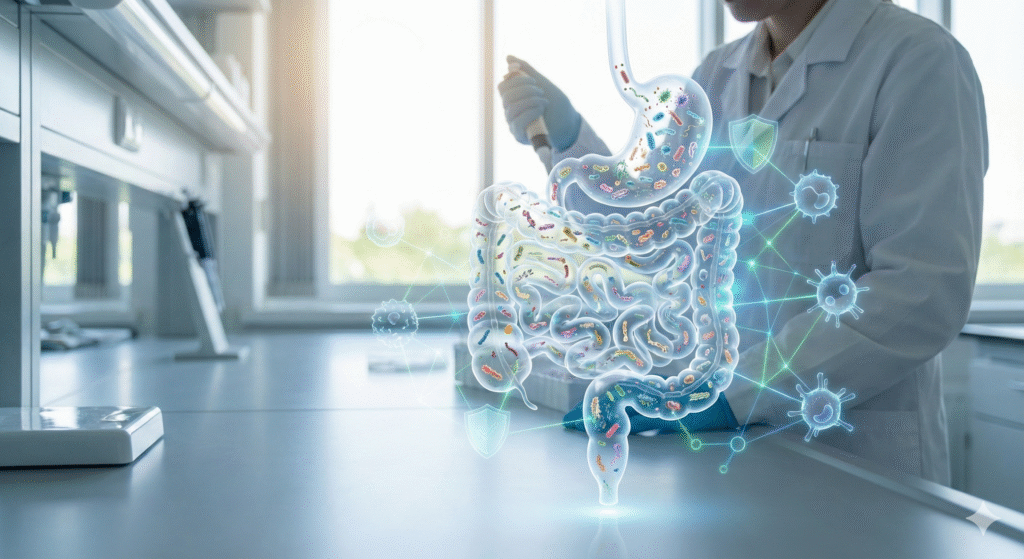
New scientific studies are revealing deeper insights into gut microbiome immune resilience links, suggesting that the bacteria in our digestive system play a significant role in how our immune system responds to illness and stress. This growing field of research points toward potential strategies to support immune resilience through diet, lifestyle, and targeted interventions.
Understanding Gut Microbiome Immune Resilience Links
The human gut hosts over 100 trillion microorganisms, forming a complex and dynamic ecosystem called the gut microbiome. These microscopic residents assist in digesting food, producing essential vitamins, and protecting against harmful pathogens. More importantly, they help regulate the immune system. According to the National Institutes of Health (NIH), about 70 percent of our immune cells reside in the gut-associated lymphoid tissue, highlighting the critical connection between gut health and immunity.
New research published in journals like Nature and Cell Host & Microbe emphasizes how gut microbiota communicate with immune cells. These interactions influence inflammation levels, immune tolerance, and our body’s ability to fight infections. A diverse and balanced gut microbiome appears to be more effective at supporting immune resilience by activating appropriate immune responses while avoiding chronic inflammation.
The Science Behind Gut Microbiome Immune Resilience Links
Several peer-reviewed studies have observed that disruptions in gut microbiota, often caused by poor diet, prolonged antibiotic use, or chronic stress, may weaken immune functions. A 2021 review in the journal Frontiers in Immunology highlighted that reduced microbial diversity correlates with a higher incidence of autoimmune conditions and infections.
Conversely, a rich and balanced microbiome supports the integrity of the gut barrier and shapes immune cell development. For example, Lactobacillus and Bifidobacterium species help produce short-chain fatty acids like butyrate, which promote anti-inflammatory effects and strengthen immune defenses.
Emerging research also suggests that the gut microbiome may influence vaccine efficacy or the body’s ability to handle immune stressors such as viral infections. However, these findings are still unfolding and should be interpreted cautiously until confirmed by larger trials and long-term studies.
How to Support a Healthy Gut Microbiome for Immune Benefits
Enhancing your gut microbiome can be a practical step in promoting immune resilience. While individual needs vary, science-based strategies include:
- Eat a fiber-rich diet: Foods high in dietary fiber, such as fruits, vegetables, whole grains, and legumes, feed beneficial bacteria.
- Include fermented foods: Natural sources like yogurt, kefir, kimchi, and sauerkraut supply live probiotics that can boost microbial diversity.
- Limit processed foods and added sugars: These may encourage harmful bacterial overgrowth and weaken microbial balance.
- Use antibiotics responsibly: According to the Centers for Disease Control and Prevention (CDC), unnecessary antibiotic use can disrupt gut flora, so always follow medical advice.
- Manage stress: Chronic stress can alter gut microbiota composition, affecting immune health. Techniques like mindfulness and meditation can help. For deeper insights into emotional regulation and resilience, see how to adapt when life strikes with a life-threatening disease.
Additionally, probiotics and prebiotic supplements may support gut health when used appropriately. However, their effects can vary depending on individual microbiome composition and overall health status.
Considerations and Limitations of Current Gut Microbiome Research
While the connection between gut microbiome immune resilience links is promising, it is important to acknowledge the limitations. Much of the research is still in early stages and conducted in laboratory or animal models. Human studies are increasing, but many are observational or small in scale.
The gut microbiome is also highly individualized. What works for one person may not have the same effects for another. Genetics, environment, diet, and health history all influence how one’s gut and immune system interact.
As Dr. Emily Chew from the National Eye Institute notes, “We are only beginning to understand the complex interplay between gut microbes and the immune response.” Responsible science requires that we avoid overgeneralizing claims and instead focus on broad, achievable health patterns.
Final Thoughts: Building Better Health Through Gut-Immune Awareness
The evolving study of gut microbiome immune resilience links offers a hopeful direction for people seeking to strengthen their immune systems. By supporting gut health through balanced nutrition, stress management, and cautious use of medications, you may boost not just digestion but whole-body resilience.
Continuing research will help us better target interventions, personalize treatments, and more fully grasp how the gut and immune system form a powerful team. For now, a common-sense approach grounded in evidence-supported practices is the best path forward. Resources like integrative approaches to Long Covid symptom relief also highlight the broader health benefits of microbiome regulation and holistic care strategies.
This content is for general informational purposes only. Please take advice from a qualified healthcare professional for your personal health ailments.
