

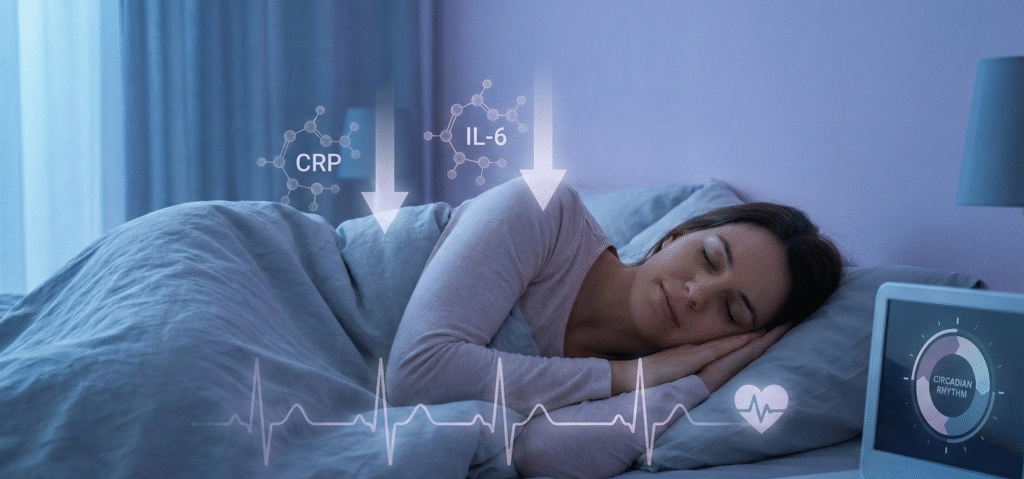
Emerging research has revealed a compelling connection between inflammatory biomarkers in sleep quality and overall health. As science uncovers more about the links between the immune system and sleep patterns, it becomes increasingly clear that inflammation plays a significant role in how well we sleep. Understanding this relationship can help individuals take a proactive approach toward improving both physical health and restfulness.
Understanding Inflammatory Biomarkers in Sleep Quality
Inflammatory biomarkers are measurable indicators of inflammation in the body, such as C-reactive protein (CRP), interleukin-6 (IL-6), and tumor necrosis factor-alpha (TNF-alpha). These markers are routinely used in medical research to assess how the body responds to stress, infection, and chronic disease. Sleep, on the other hand, is a vital part of our physiology, tightly linked to immune regulation. When sleep is disrupted or decreased, studies show an increase in these inflammatory markers.
According to a study published in the journal Sleep, even one night of partial sleep deprivation can cause a measurable spike in inflammatory markers like IL-6. Such changes suggest that poor sleep might initiate or exacerbate inflammation, leading to a feedback loop where inflammation further disturbs sleep. This bidirectional relationship emphasizes why sleep and inflammation must be addressed together in efforts to maintain long-term health.
How Sleep Affects Inflammation and Immune Function
Many people are surprised to learn that during sleep, especially deep sleep, the body actively regulates immune system responses. This regulation includes reducing the production of inflammatory molecules. However, when sleep is fragmented or shortened, the body tends to produce more cytokines like IL-6 and TNF-alpha, which are central to the inflammatory process.
Chronic poor sleep does not just leave you feeling tired. It may also contribute to the development of conditions such as cardiovascular disease, diabetes, and obesity. The Centers for Disease Control and Prevention (CDC) and the National Institutes of Health (NIH) have linked short sleep duration to an increased risk of these chronic diseases, in part due to systemic low-grade inflammation driven by elevated biomarkers.
Inflammatory Biomarkers in Sleep Quality Research
Much of what we understand today about inflammatory biomarkers in sleep quality comes from decades of sleep studies. A leading review published in the Journal of Clinical Sleep Medicine reported consistent associations between elevated CRP and poor sleep quality, including insomnia and sleep apnea. These findings held across age groups and were independent of other health factors, such as diet or exercise habits.
Additionally, a large-scale study from the University of California, reported in PLOS One, found that individuals reporting high sleep disturbance had a higher CRP concentration compared to those with restful sleep. Although more studies are needed to determine causality, the evidence so far indicates that inflammation and sleep disruptions are closely intertwined. Notably, researchers are exploring the microbiome’s role in these interactions, as emerging studies have found gut microbiome immune resilience links that may influence both sleep patterns and systemic inflammation.
Practical Tips to Lower Inflammation and Improve Sleep
Fortunately, there are practical steps you can take to help reduce inflammation and support better sleep patterns:
- Prioritize sleep hygiene: Keep a consistent bedtime routine, sleep in a dark quiet room, and limit screen time before bed.
- Eat an anti-inflammatory diet: Include more whole foods, fruits, vegetables, and fatty fish while cutting down on sugar and processed meals.
- Get regular exercise: Moderate activity, such as walking or cycling, has been shown to reduce inflammatory biomarkers and improve sleep quality.
- Manage stress: Chronic stress can spike IL-6 levels. Practices like yoga, mindfulness, or therapy may help reduce stress-induced inflammation.
- Avoid smoking and limit alcohol: Both are associated with raised systemic inflammation and disrupted sleep architecture.
These lifestyle changes can have a cumulative effect. Improved sleep helps regulate immune responses, while lowering inflammation may help the brain and body fall into deeper, more restorative sleep cycles. This interplay may be especially critical for individuals managing other health challenges, as discussed in integrative approaches to Long Covid symptom relief, which often emphasize the importance of sleep in recovery.
Ongoing Research and Future Directions
Scientists continue to explore how inflammatory biomarkers in sleep quality interact with various systems in the body. New studies are investigating whether lowering inflammation through medication or lifestyle interventions can directly enhance sleep outcomes, particularly in populations with chronic illnesses like arthritis or heart disease.
Moreover, personalized medicine approaches are being tested to assess whether tracking individual biomarker levels could predict sleep disturbances early. This emerging research could lead to earlier interventions and more targeted therapies for those experiencing chronic sleep issues.
Until then, the best evidence suggests that combining healthy sleep practices with anti-inflammatory lifestyle choices offers real benefits. It is a simple yet powerful step toward better health.
This content is for general informational purposes only. Please take advice from a qualified healthcare professional for your personal health ailments.
