

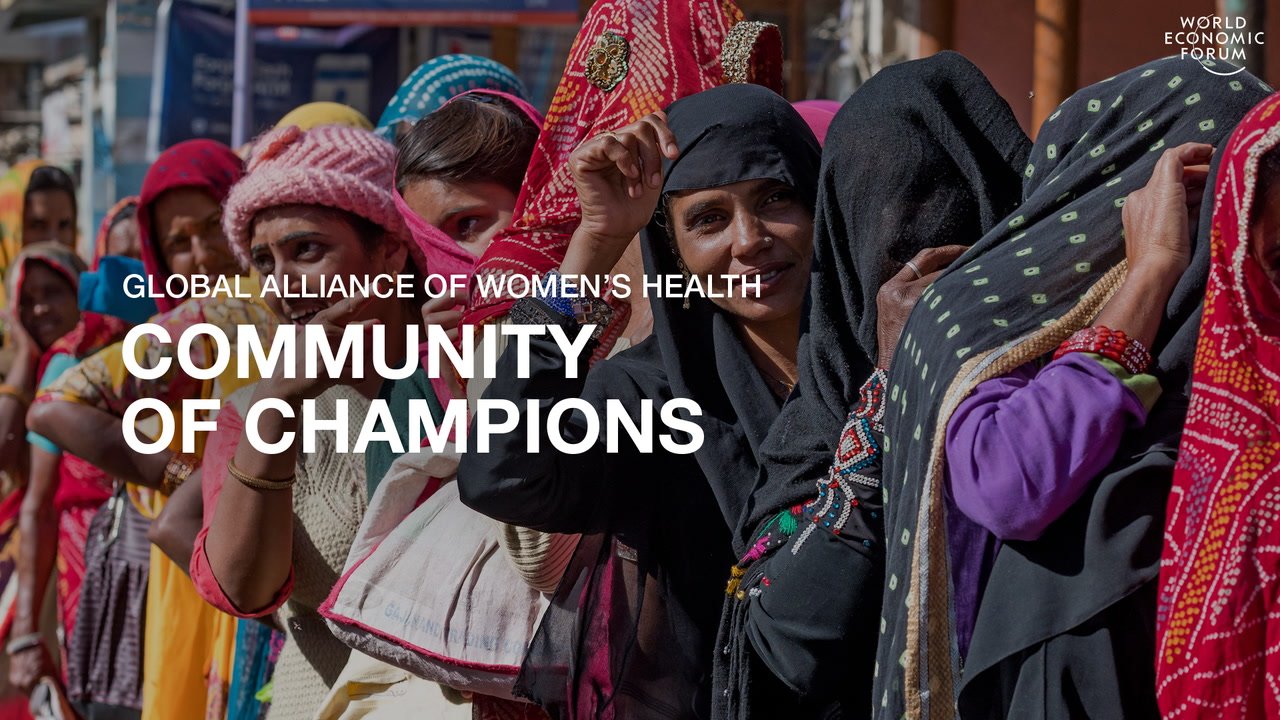
Women’s health initiatives benefit not just individuals but the global economy, driving transformative changes that ripple across societies. The Global Alliance for Women’s Health exemplifies this impact, fostering equitable healthcare, closing systemic gaps, and, as a result, contributing to economic growth. Understanding this dynamic sheds light on why prioritizing women’s health is essential for sustainable development.
Women’s Health Initiatives Benefits Economic Growth
Empowering women through targeted health programs leads to far-reaching economic outcomes. When women have access to proper healthcare, it enhances their productivity and workforce participation. Consequently, countries witness accelerated economic growth. Women’s health initiatives are not simply medical interventions; they are socio-economic catalysts that uplift entire communities.
The Role of Equitable Healthcare
Equitable access to healthcare is fundamental to women’s well-being and participation in society. Initiatives that bridge healthcare gaps often result in healthier populations capable of contributing more effectively to their economies. For example, reducing maternal mortality rates improves family stability and allows women to engage more fully in economic activities. Such outcomes illustrate the direct correlation between health equity and economic prosperity.
Closing Systemic Gaps
Addressing the systemic barriers women face in accessing health services is crucial. Initiatives specifically targeting these barriers not only improve health outcomes but also encourage social and economic participation by women. When health systems evolve to include gender-sensitive approaches, they invariably strengthen communities and foster innovation. Organizations like the Global Alliance for Women’s Health champion these changes, spurring progress in all sectors.
Multifaceted Benefits of Women’s Health Initiatives
The benefits of investing in women’s health are multi-dimensional. Healthy women lead to healthy families, which in turn nurture robust communities. Additionally, improved health literacy among women often translates into better health choices and outcomes for future generations. As women take central roles in decision-making, their enhanced health status contributes to more stable and progressive societies. Thus, women’s health initiatives form a cornerstone in building resilient economies.
Support for women’s health is not merely philanthropic but an economic strategy that promises comprehensive benefits. By investing in these initiatives, stakeholders can expect significant returns in global growth and development.
Key Takeaways
- Women’s health initiatives drive economic growth by enhancing workforce participation and productivity.
- Equitable healthcare access removes barriers, allowing women to contribute significantly to societal development.
- Addressing systemic healthcare gaps is vital for creating sustainable communities and economies.
Medical Disclaimer
The information provided in this article is for informational purposes only and should not be construed as medical advice.
