

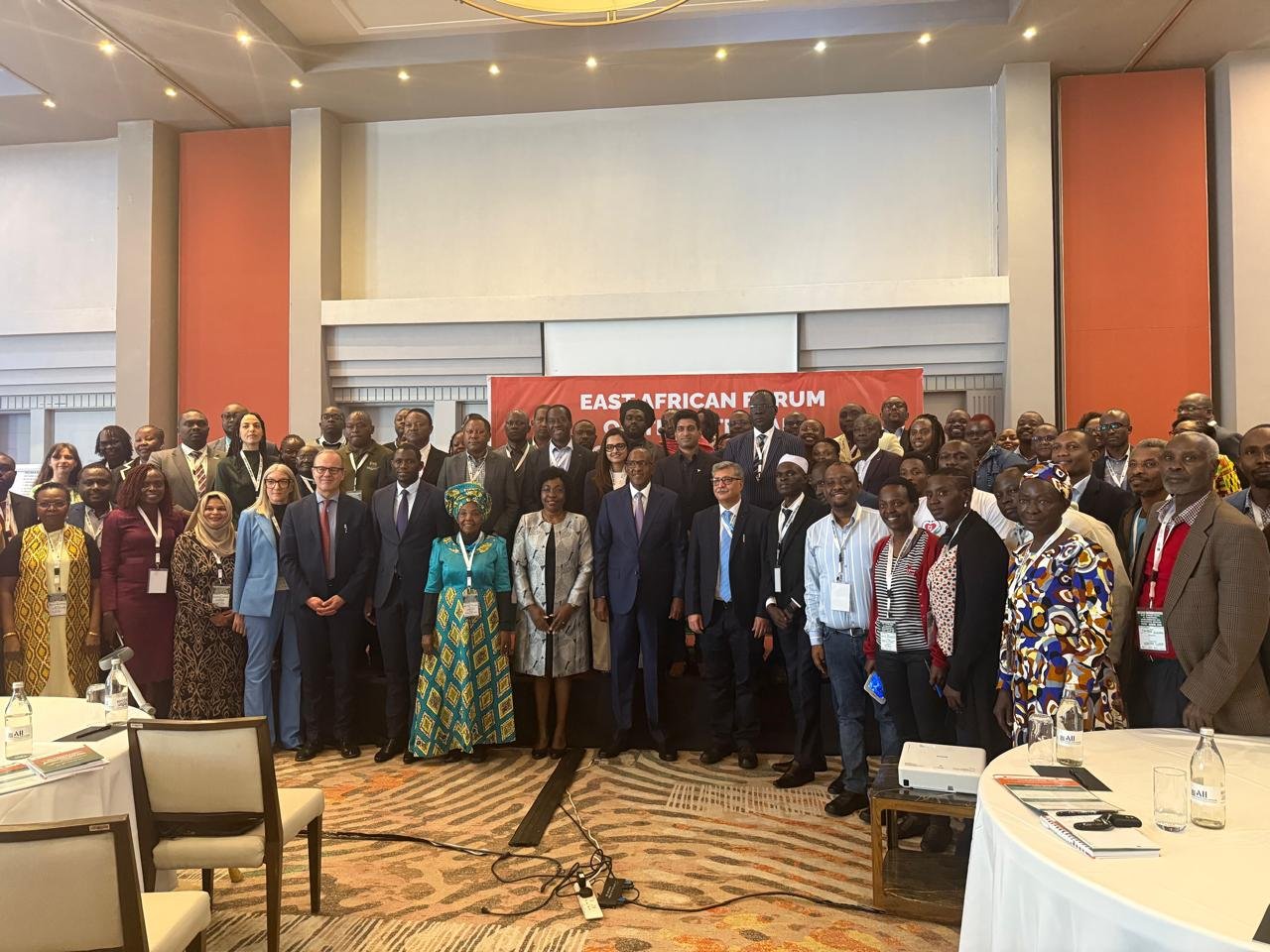
The integration of traditional medicine in East Africa is gaining momentum as countries in the region mobilize efforts to formally incorporate traditional, complementary, and integrative medicine into their national health systems. This significant move recognizes the longstanding use of traditional medicine by local populations and aims to enhance healthcare delivery across East Africa. As modern healthcare faces numerous challenges, such as accessibility issues and resource shortages, integrating traditional practices offers a promising solution to improve health outcomes and meet the diverse needs of communities.
Efforts to Integrate Traditional Medicine in East Africa
East African countries have been increasingly supportive of traditional medicine, acknowledging its role as a cornerstone of health care for millions. These nations understand that to effectively deliver health services, leveraging traditional practices alongside modern medicine is crucial. The governments have embarked on various initiatives to facilitate this integration, including establishing regulatory frameworks, supporting research, and providing training programs for healers and healthcare professionals.
Benefits of Integrating Traditional Medicine
Incorporating traditional medicine into national health systems offers numerous advantages. For one, it helps bridge the gap between rural and urban healthcare access, as traditional practitioners often reside within communities. Additionally, this integration is economically beneficial as it reduces the health burden on formal medical systems. Meanwhile, utilizing locally available resources and knowledge enhances sustainability and cultural relevance, fostering trust in healthcare providers.
Challenges and Solutions in the Integration Process
Integrating traditional medicine faces several challenges. These include standardizing practices, ensuring the safety and efficacy of treatments, and overcoming skepticism among professionals who adhere strictly to modern medicine. However, East African countries actively address these obstacles through research collaborations, developing safety guidelines, and increasing awareness of the complementary benefits of combining traditional practices with conventional healthcare.
The Role of Research in Advancing Integration
Research plays a pivotal role in the integration process by providing evidence-based validation for traditional practices. East African researchers are conducting studies to document the medicinal properties of indigenous plants and traditional methods. As a result, these efforts not only affirm the therapeutic potential of traditional medicine but also pave the way for innovation and collaboration between traditional healers and modern medical practitioners.
Future Implications of Traditional Medicine Integration
As East Africa continues to weave traditional medicine into its health systems, the impact will likely be profound. This integration can lead to more inclusive and holistic healthcare systems, enhancing the well-being of entire populations. Furthermore, it sets a precedent for other regions grappling with similar healthcare challenges, opening paths to more sustainable and culturally appropriate solutions.
The integration of traditional medicine in East Africa signals a transformative shift in healthcare philosophy, one that values diversity and inclusivity. If successful, this model could serve as an inspiration worldwide, demonstrating the benefits of merging time-honored wisdom with contemporary medical advancements.
Key Takeaways
- East Africa’s efforts to integrate traditional medicine enhance healthcare accessibility and cultural relevance.
- Challenges include standardizing practices and ensuring safety, addressed through research and regulatory frameworks.
- Successful integration may serve as a model for sustainable healthcare solutions globally.
Medical Disclaimer
This content is informational and should not replace professional medical advice, diagnosis, or treatment.
