

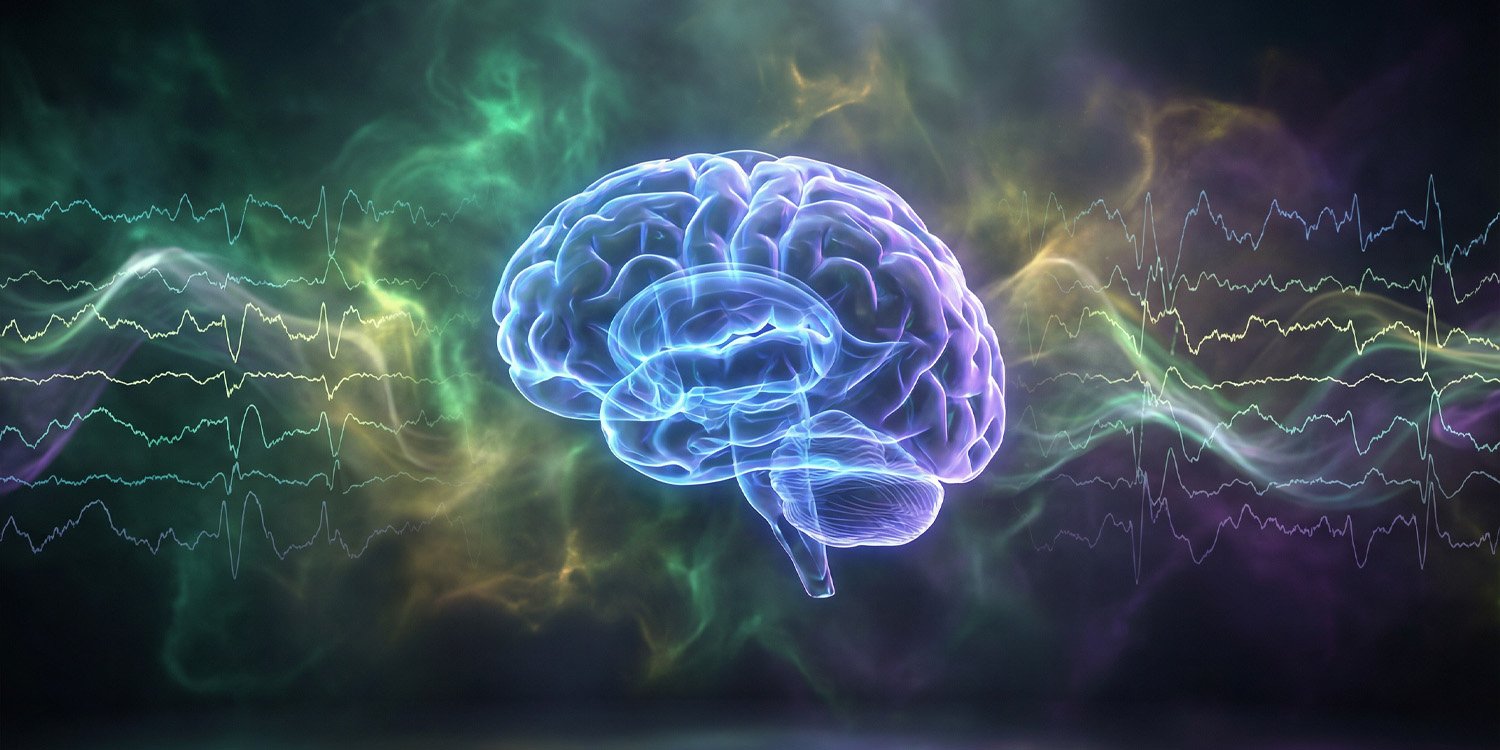
Recent research has ushered in a new era by mapping ayahuasca brain waves, shedding light on how this psychoactive brew sparks vivid thoughts and emotions. This endeavor is critical as understanding the neurological underpinnings of ayahuasca could refine its use in therapeutic settings and predict user experiences before ingestion.
Mapping Ayahuasca Brain Waves: A Revolutionary Approach
The exploration into ayahuasca’s impact on brain activity highlights significant scientific progress. Researchers have uncovered how this traditional Amazonian concoction alters brain waves, leading to intense and spontaneous thought patterns. Dual goals guide this research: harnessing these brain wave changes for therapeutic advancements and enhancing prediction methods for individual responses to ayahuasca.
The Science Behind Ayahuasca Brain Waves
Scientists utilize electroencephalogram (EEG) technology to document the shifts in brain wave patterns triggered by ayahuasca. EEG readings before consumption can reveal how intensely a person’s mind and body will react. As a result, this predictive capability offers a tailored approach to administering ayahuasca, ensuring safe and beneficial outcomes for users.
Why Mapping Ayahuasca Brain Waves Matters
Ayahuasca’s ability to transform consciousness has intrigued researchers, particularly within the fields of psychology and psychiatry. Mapping brain waves provides a scientific basis to validate anecdotal reports of emotional and cognitive revelations during its use. Furthermore, understanding these patterns holds the potential to enhance therapeutic applications, especially in mental health domains.
For example, the vivid thoughts and introspection induced by ayahuasca might offer breakthroughs for patients with treatment-resistant conditions. In-depth study of its brain wave signatures lays the groundwork for integrating ayahuasca in controlled therapeutic environments.
Implications for Future Research
Although these findings are promising, the research remains in its infancy. More rigorous studies are essential to substantiate initial outcomes and address potential risks. Researchers advocate for continued exploration, emphasizing ethical guidelines and participant safety. This careful approach ensures that any therapeutic use of ayahuasca aligns with scientific integrity and medical standards.
Ultimately, mapping ayahuasca brain waves signifies a pivotal step forward in understanding how traditional substances interact with the brain. This knowledge could challenge current perspectives on mental health treatments and expand options for those seeking alternative therapies.
Key Takeaways
- EEG technology reveals how ayahuasca alters brain wave patterns.
- Brain wave mapping can predict individual responses to ayahuasca.
- Research is ongoing, highlighting ayahuasca’s therapeutic potential.
Medical Disclaimer
This article is for informational purposes only and should not be considered medical advice.
