

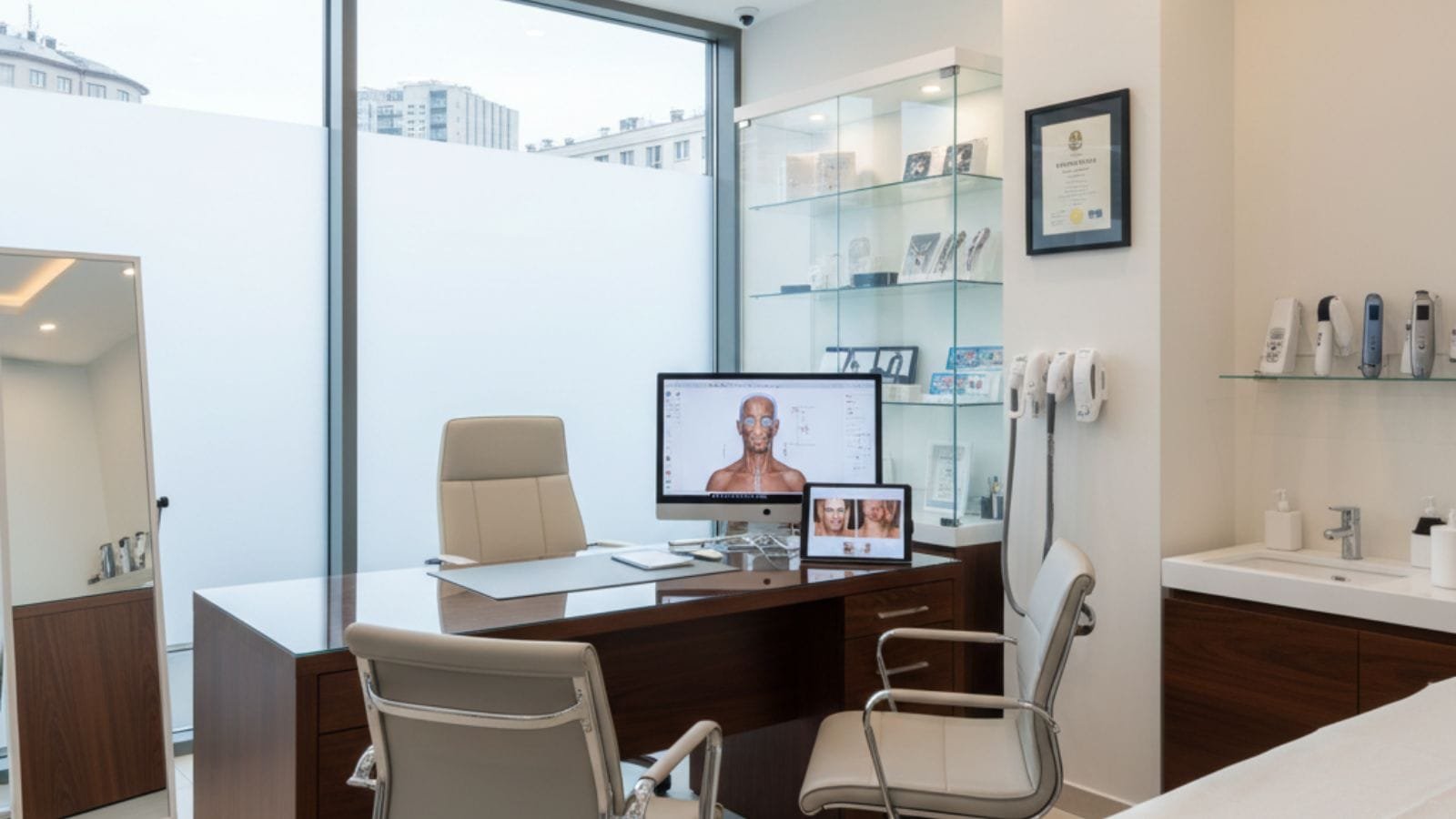
In recent years, men have increasingly embraced male aesthetic treatment trends, marking a shift in societal attitudes toward male grooming and cosmetic procedures. This trend highlights the growing confidence men have in openly addressing their aesthetic concerns, propelled by a reduction in stigma and a heightened importance placed on appearance in both personal and professional spheres.
Understanding Male Aesthetic Treatment Trends
The surge in male interest in aesthetic treatments stems from several key factors. First and foremost, the stigma surrounding cosmetic procedures for men has diminished significantly. Men now feel more comfortable discussing and undergoing treatments that were once considered predominantly female-focused. Social media plays a pivotal role in this transformation by showcasing the benefits and normalization of such procedures.
The Role of Social Media in Shaping Perceptions
Social media platforms have amplified the visibility of male cosmetic enhancements, helping to create an environment where discussions about personal care and grooming are more transparent. Influencers and celebrities openly share their treatment journeys, which encourages average men to explore and consider similar options. Consequently, this openness fosters a supportive community, making it easier for men to seek aesthetic treatments without fear of judgment.
Professional and Personal Impacts
With appearance gaining importance in professional settings, men increasingly pursue aesthetic treatments to align with industry standards and personal preferences. As a result, individuals often experience enhanced self-esteem and confidence, which can translate into greater professional success. In personal life, improved appearance can impact social interactions and relationships positively.
Male Aesthetic Treatment Trends: Popular Procedures
Men are opting for a wide range of aesthetic procedures. Some of the most popular treatments include Botox for reducing facial lines, laser treatments for skin rejuvenation, and hair restoration techniques. Notably, body contouring is also gaining traction, reflecting men’s desire to achieve their ideal physique. These procedures are often minimally invasive, offering appealing options for those seeking subtle improvements.
The Influence of Changing Work Environments
The changing dynamics of work environments, including remote work and video conferencing, have further compelled men to pay attention to their appearance. High-definition cameras and digital meetings mean that facial aesthetics are more scrutinized, leading many men to invest in treatments that enhance their facial features and skin texture.
Looking Ahead: The Future of Male Aesthetic Trends
As societal norms continue to evolve, male participation in aesthetic treatments is likely to increase. The convergence of reduced stigma, media influence, and personal ambitions will drive this trend further. Men will continue to explore new treatments and products, fostering an industry geared toward addressing male-specific aesthetic concerns. For example, the surge in popularity and application of AI cosmetic surgery trends has also sparked conversations about the role of technology in shaping beauty standards and consumer choices, as seen in discussions about high-intensity ultrasound acne treatment as a means to enhance personal aesthetics.
In summary, the embrace of male aesthetic treatment trends signifies a broader cultural shift towards inclusivity and self-improvement. As more men pursue these options, the industry should prepare for continued growth and innovation, shaping a future where aesthetic treatments are a norm across genders.
Key Takeaways
- The stigma around male cosmetic procedures has significantly diminished, encouraging more men to seek aesthetic treatments.
- Social media and changing professional standards are key drivers of this trend.
- As the trend continues, the industry will see growth in male-oriented aesthetic solutions.
Medical Disclaimer
This article provides information for educational purposes only and is not intended as medical advice.
