

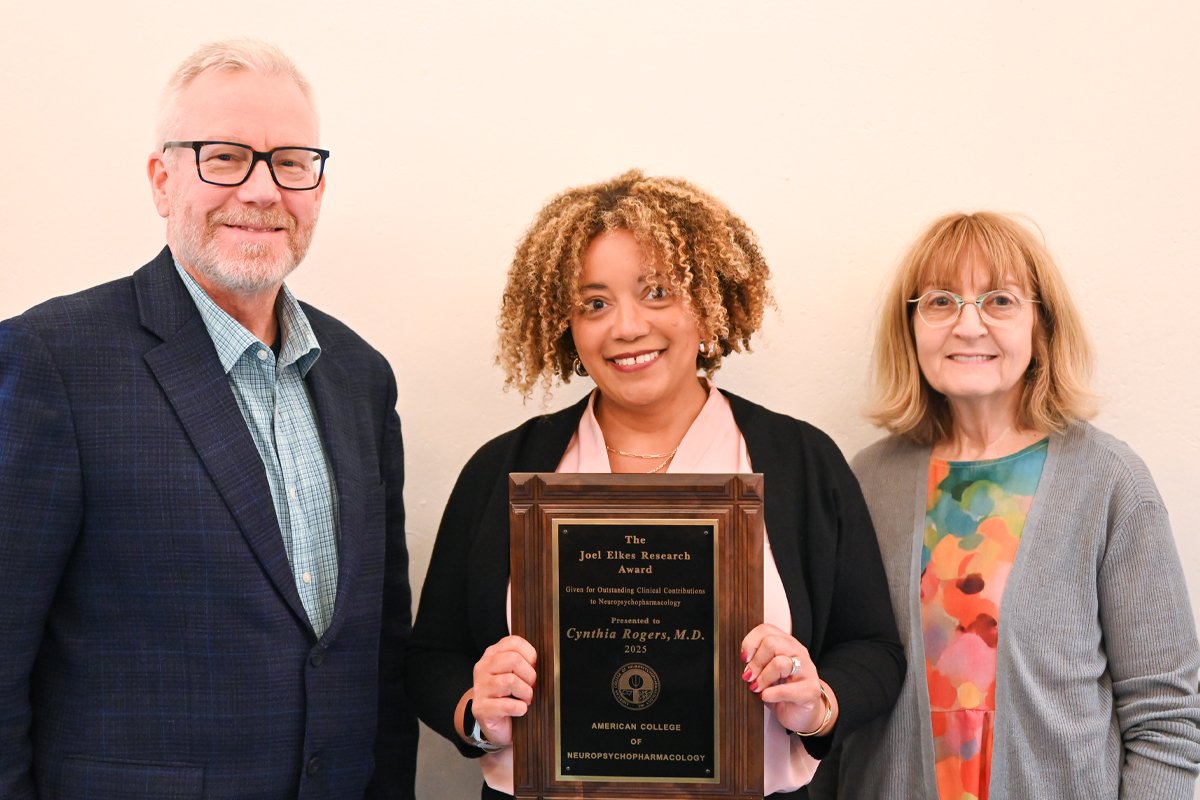
Recent research spotlighting premature baby brain development has unveiled groundbreaking insights, emphasizing the critical work of Cynthia Rogers. Honored for her pioneering research on the neural formation of premature infants, Rogers has significantly contributed to identifying early markers of psychiatric risk in young children. Her work not only deepens our understanding of neurodevelopment but also points toward potential early interventions that could alter developmental trajectories for these vulnerable newborns.
New Frontiers in Premature Baby Brain Development
Premature birth presents unique challenges, notably in brain development. Cynthia Rogers’ research shines a light on the complex dynamics involved. She has focused on unraveling how early life adversities impact neurodevelopment in premature infants. Such studies are crucial because they provide a framework for understanding how prematurity may predispose children to psychiatric conditions later in life.
Identifying Psychiatric Risk Markers in Premature Babies
Rogers’ work highlights the identification of psychiatric risk markers in premature babies as a potentially transformative step. By studying brain development patterns in these infants, researchers can identify early warning signs of psychiatric vulnerabilities. This foresight allows health practitioners and parents to monitor children closely, ensuring interventions can be applied when necessary.
The Role of Early Intervention in Brain Development
By understanding premature baby brain development, researchers can better formulate early intervention strategies. According to Rogers’ studies, early therapeutic interventions may significantly impact developmental outcomes for at-risk children. Consequently, timely action can potentially mitigate some adverse effects of premature birth on brain development. This exploration is crucial as integrating traditional practices into healthcare can often offer innovative insights, akin to efforts in integrating traditional medicine into East Africa’s systems.
Premature infants face a heightened complexity in developing their brains during critical growth phases. However, as researchers explore further, the advancement in technology and understanding offers promising pathways for effective interventions and improved clinical practices. Rogers’ contributions underscore the importance of continued research and innovation in pediatric neurodevelopment.
Key Takeaways
- Cynthia Rogers’ research provides new insights into the impact of prematurity on brain development.
- Identifying psychiatric risk markers early on can help in crafting intervention strategies.
- Early interventions may significantly improve developmental outcomes for premature babies.
Medical Disclaimer
This article provides information for educational purposes and does not constitute medical advice. Always consult a healthcare professional for medical conditions.
