

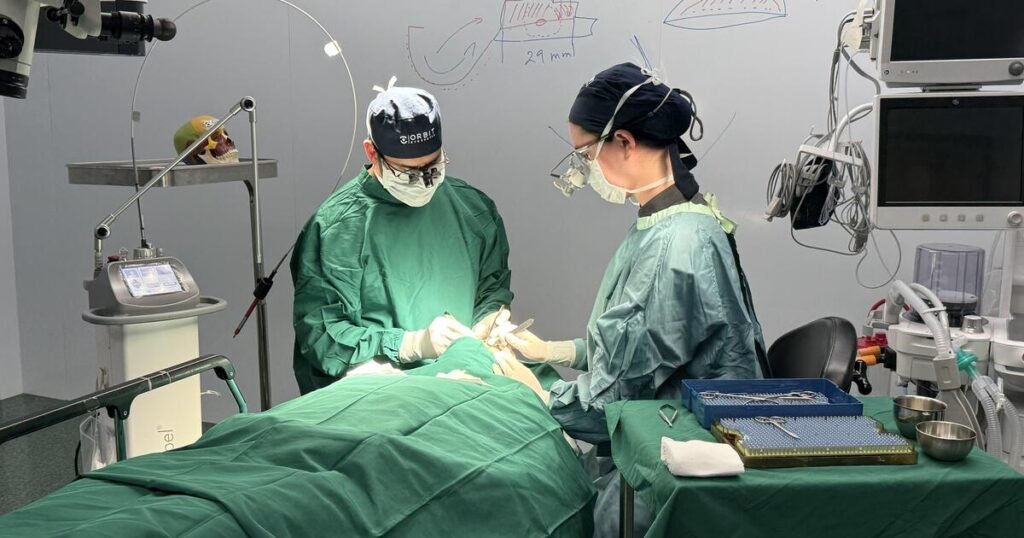
Preventing soft palatal injury during dental treatments is crucial, as these types of injuries can arise unexpectedly during common dental procedures. A case involving a rotary instrument-induced soft palatal laceration highlights the need for careful prevention strategies to avoid complications. Given the potential risks associated with dental tools, particularly in the sensitive oral cavity, understanding the causes and prevention measures for such injuries is vital for dental professionals.
Understanding Soft Palatal Injuries in Dentistry
The soft palate plays a critical role in oral health and function. Injuries to this area can occur unexpectedly, especially when dental practitioners use rotary instruments. These injuries, although less common compared to those affecting the tongue or buccal mucosa, can seriously impact patient well-being. It is essential for dental teams to be vigilant and implement preventative techniques during treatments to minimize the likelihood of such injuries.
Causes of Soft Palatal Injuries
Dental procedures involving rotary instruments pose a risk of soft palatal injuries due to the high-speed nature of these tools. Factors contributing to these injuries include inadvertent movement or lack of control over the instrument. Furthermore, the confined space of the oral cavity increases the risk of accidental lacerations, particularly when visibility is limited, or patients exhibit involuntary movements.
Soft Palatal Injury Prevention Strategies
To prevent soft palatal injuries during dental treatments, dental practitioners must adopt comprehensive safety measures. These include:
- Ensuring proper patient positioning and stabilization to minimize sudden movements during procedures.
- Implementing clear communication with patients to inform them about the importance of remaining still.
- Utilizing protective barriers or retractors to shield the soft palate and other sensitive areas from rotary instruments.
Innovation in Dental Tools
Advancements in dental technology have led to innovations aimed at reducing the risk of soft tissue injuries. For example, modern rotary instruments come equipped with safety features, such as built-in guards or sensors that halt operation when contact with soft tissue is detected. These tools are designed to enhance practitioner control and improve patient safety during dental restorations.
Additionally, practitioners are encouraged to participate in continuous education programs that focus on the safe use of dental instruments. By staying informed about the latest technological advancements and techniques, dental professionals can effectively reduce and prevent the occurrence of soft palatal injuries, thus enhancing patient care and comfort.
Key Takeaways
- Soft palatal injuries can occur during dental procedures but are preventable with proper precautions.
- Advanced dental tools with safety features can help minimize the risk of such injuries.
- Continuous education on dental instrument use is critical for patient safety.
Medical Disclaimer
This article is for informational purposes only and does not constitute medical advice.
