

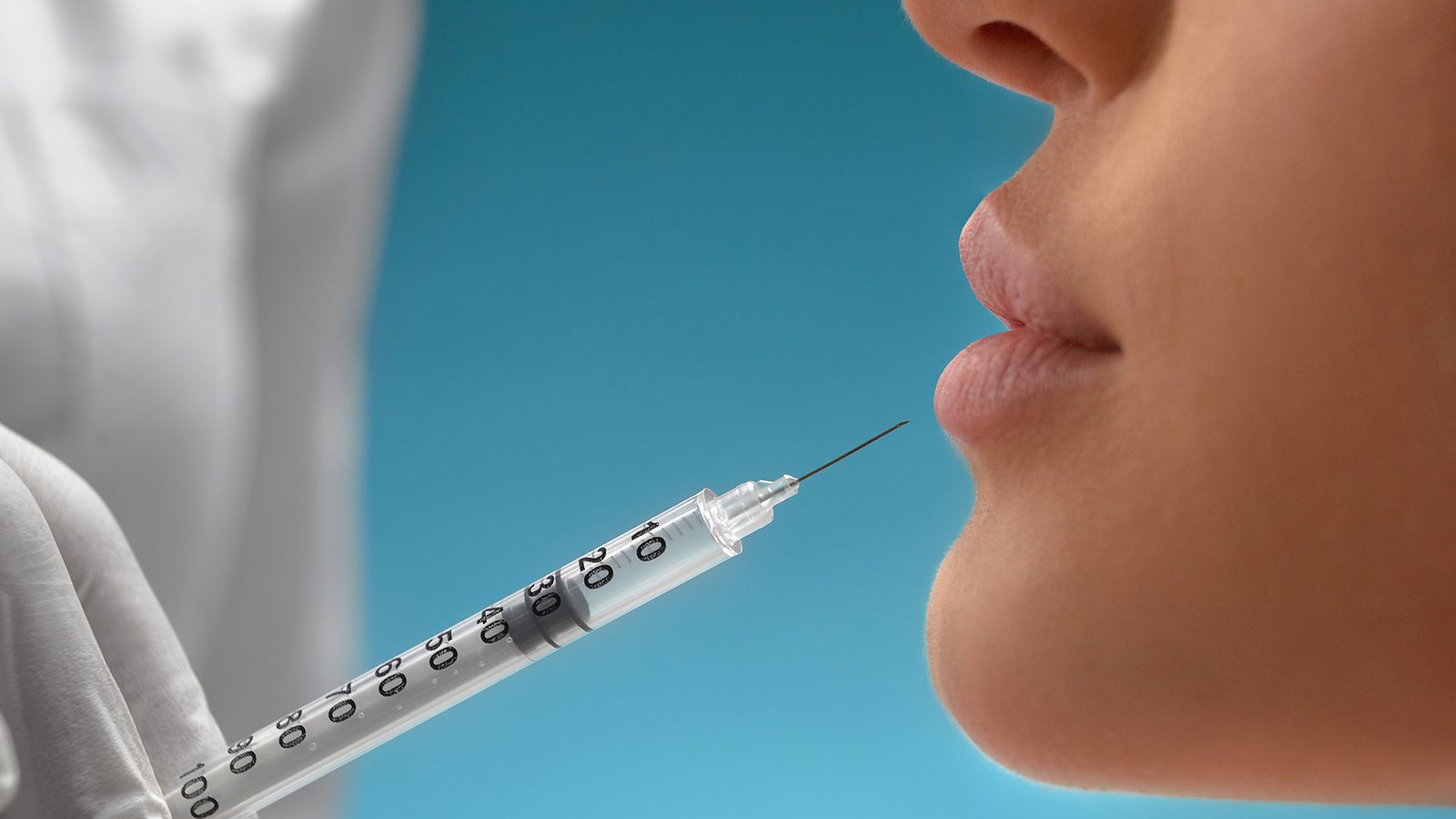
In an era where societal pressures and medical innovations intertwine, the pursuit of a quick fix for the so-called “Ozempic face” introduces significant tension within Britain’s aesthetic landscape. This trend, driven by the rapid popularity of semaglutide-based medications for weight loss, has led to unforeseen consequences, notably the accelerated aging appearance termed “Ozempic face.” As cosmetic surgeries pivot from traditional procedures like Brazilian butt lifts (BBLs) and breast augmentation towards addressing these new aesthetic concerns, questions about patient safety rise to prominence. The resulting landscape signals an urgent need for reform and reassessment within the cosmetic surgery sector.
Understanding the Quick Fix Ozempic Face
Ozempic, a drug initially intended for type 2 diabetes management, has entered the weight loss market, leading to a phenomenon observed in patients as the “Ozempic face.” Rapid weight loss, while achieving the desired slimming effects for many, can result in sagging skin and a gaunt facial appearance. Cosmetic practices have swiftly begun offering interventions to counteract these effects, underscoring a societal inclination towards immediate solutions over sustainable health strategies.
The Role of Cosmetic Procedures in Addressing Ozempic Face
The surge in demand for procedures addressing the quick fix Ozempic face highlights a shift in cosmetic surgery priorities. As traditional procedures decline, non-invasive techniques such as dermal fillers and skin-tightening treatments gain traction. These procedures promise an expedited resolution to facial volumetric loss, yet often downplay the associated risks and necessary post-operative care, thus compromising patient safety. This shift mirrors trends observed in new anti-ageing treatments, which also emphasize non-invasive options.
Safety Concerns in the Wake of New Aesthetic Demands
While addressing the quick fix Ozempic face, the cosmetic industry faces escalating safety challenges. Regulatory oversight has struggled to keep pace with the rapid commercialization of aesthetic solutions for new demands. Consequently, patients may overlook potential complications, such as infection or unsatisfactory results, driven by the allure of swift transformations and a lack of comprehensive guidelines.
The Call for Regulatory Changes
Addressing the quick fix Ozempic face responsibly requires profound policy transformation in the UK’s cosmetic sector. Industry experts call for stringent regulations ensuring that practitioners maintain high standards and prioritize long-term patient wellbeing. A transparent dialogue between policymakers and medical professionals could pave the way for balanced advancements, safeguarding against the dangers of unchecked cosmetic interventions.
Broader Implications for Public Health and Ethics
The prevalence of quick fix solutions such as treatments for the Ozempic face extends beyond cosmetic concerns, implicating broader societal and ethical dimensions. The increasing normalization of urgent aesthetic corrections reflects the pressures modern communities face about body image, often at the expense of health. Therefore, academic and clinical research must explore not just procedural efficacy, but also associated psychological impacts.
Recognizing the catalyst role of drugs like Ozempic in reshaping cosmetic needs, stakeholders must reconsider the dialogue surrounding aesthetic enhancements. Mirroring these dynamics, public health strategies should encompass both educational efforts and rigorous policy actions to ensure balanced, ethical, and safe cosmetic practices.
Key Takeaways
- The cosmetic sector is witnessing a shift from traditional procedures to new, non-invasive demands driven by weight loss trends.
- Patient safety concerns rise as rapid aesthetic solutions gain popularity without sufficient regulatory adaptation.
- Comprehensive policy reforms and ethical discourse are critical to ensure responsible cosmetic practice and patient wellbeing.
Medical Disclaimer
This content is for informational purposes only and does not constitute medical advice.
